





Advanced Tips for Fishing with Hard Baits
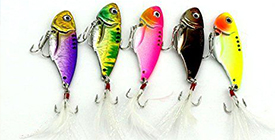
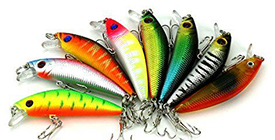
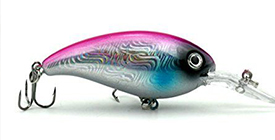
Last September, I was fishing a reservoir in northern California where the water had cleared up and the bass had moved out to deep structure. I'd been slow-rolling a Penceil Vib Lures and picking up a few fish, but I couldn't find the school I'd marked on the finder. I tied on a medium-diving Hard Baits crankbait and started covering the point methodically. On my fifth cast, I got crushed by a 5.8 pound largemouth, and over the next hour I boated seven keepers from that same spot. That day reminded me why experienced anglers always keep a good selection of hard baits ready – they help you find fish faster, and they catch fish when other lures just won't get bit.
If you've been fishing mostly soft plastics and want to step up your hard bait game, these advanced tips will help you catch more fish this season. I've been using hard baits for 20 years, and these are the tricks that have helped me catch more fish.
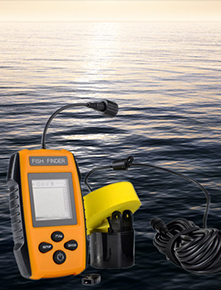
Learn to Read Your Depth Finder and Match the Depth
This is the tip most anglers miss – you have to match the diving depth of your hard bait to the depth the fish are holding. If your crankbait only dives 8 feet and the fish are holding at 12, you're fishing above them and you won't get many bites.
When I'm getting ready to fish a point, I look at my depth finder to see what the average depth is, then I pick a hard bait that dives just a little deeper than that. This ensures your bait is running right through the strike zone where the fish are holding. It makes a huge difference in your bite count.
Vary Your Retrieve Speed Until You Find What Works
Most anglers reel at the same speed every cast, but that's not always the best approach. Here's what I do depending on conditions:
- Cold water (below 60 degrees): Reel very slow – just barely turning the handle. Fish don't move fast in cold water, and you need to give them time to catch up.
- Medium water temperature (60-70 degrees): Medium speed – steady reeling with occasional pauses. This is what works most of the season.
- Warm water (over 70 degrees): You can reel faster because the fish are more active and will chase down your bait.
If you're not getting bites, don't just move to another spot – try changing your retrieve speed first. I've had days where I wasn't getting bit going slow, so I speeded up and started catching fish. Changing speed is one of the easiest ways to get more bites.
Deflect off Structure and Pause
This is the advanced trick that most weekend anglers don't do. When your hard bait deflects off a rock or a stump, pause it for a second after the deflection. When the bait deflects, it looks injured, and that's when the fish strikes. Most anglers just keep reeling right through the cover, and they miss out on all those extra bites.
After the deflection, the fish has to follow the bait and strike, and the pause gives them time to catch up. I've added so many extra fish to my boat just by adding that one-second pause after hitting something. It's a simple change that makes a big difference.
Choose the Right Line for Your Hard Bait
For most hard bait fishing in Freshwater Systems, I use 10-12 pound fluorocarbon line. Fluorocarbon sinks better, has low stretch so you can feel bites better, and it's nearly invisible underwater. The low stretch helps you set the hook better when you're fishing deep.
If you're fishing heavy cover where you need to pull fish out fast, you can use 15-20 pound braided line. Braided has more strength, which helps you pull bass out of thick cover. Just keep in mind that braided floats, so it can change the diving depth of your crankbait a little bit.
Fan Casting Covers Water When You Don't Know Where the Fish Are
When you're on a new lake and you don't know where the fish are hiding, fan casting with a hard bait is the best way to find them quickly. You can cover a lot of water, find the school, then catch them once you locate them. If you were fishing slow with soft plastics you'd spend all day finding the school and not have much time left to catch them.
I do this every time I fish a new lake – I make long fan casts with a medium diving crankbait along the main points, and I find fish quickly. Once I find where they're holding, I can slow down and fish the area more carefully.
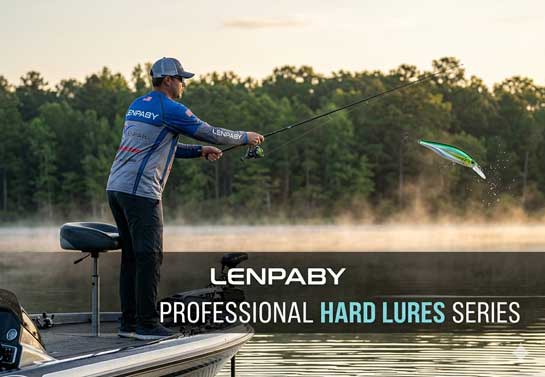
What Anglers Are Saying About LENPABYHard Baits
"I've been tournament fishing for 15 years, and I've used just about every brand of hard baits out there. The LENPABY hard baits have the same great action out of the box as the premium brands I used to buy, but they cost half as much. I can stock my tackle box with all the sizes and colors I need without breaking the bank. I won a tournament earlier this year on one of their deep-diving cranks. Couldn't be happier."
– Alex R., Arkansas USA
"I fish clear water in the Great Lakes for smallmouth, and I throw hard baits almost every day in the fall. The LENPABY hard baits have great action right out of the package, they hold up really well after banging into rocks, and the hooks are sharp from the factory. I've been really impressed with the quality and the price. Highly recommend."
– Neil T., Michigan USA
Frequently Asked Questions
Q: Do I need different hard baits for different species?
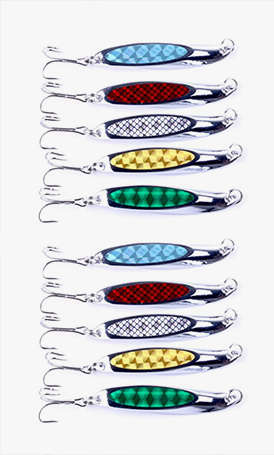
A: Generally speaking, the same basic types of hard baits work for most species – Crank Lures, jerkbaits, topwater, spoons all work for bass, walleye, pike, and other predatory game fish. You just need to match the size of the lure to the size of fish you're targeting.
Q: How many hard baits do I need in my tackle box?
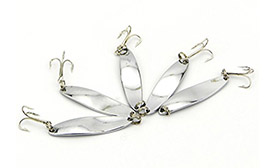
A: I recommend starting with a shallow diver, a medium diver, and a deep diver – that covers most situations you'll encounter. Then you can add a topwater and a spoon for when you need them. That's really all you need to start – you don't need dozens of different lures to catch fish.
Q: Can you use hard baits in Saltwater Systems?
A: Yes, there are hard baits designed specifically for saltwater, just make sure they have corrosion-resistant stainless steel hardware that can handle the saltwater. LENPABY makes both freshwater and saltwater hard baits so you can get what you need for where you fish.
Q: Why are custom painted hard baits so expensive? Do I really need that?
A: You don't need custom painted lures to catch fish – the stock patterns from quality manufacturers like LENPABY are tested and catch just as many fish. You can save a lot of money buying factory direct and still catch just as many fish.
Q: What's the best time of year to fish hard baits?
A: You can fish hard baits year-round, but they're especially effective in the fall when bass are feeding heavily and you need to cover water to find the feeding schools. They're also great in the spring when bass are moving shallow and you need to cover a lot of water to find them.
Ready to Add Quality Hard Baits to Your Collection?
Hard baits are an essential tool for every advanced angler. They help you find fish faster, catch them when they're holding deep, and they trigger reaction bites from fish that aren't even actively feeding. When you buy factory direct from LENPABY, you get quality hard baits with sharp hooks and great action that compete with the premium brands but save you up to 60% off retail prices.
Start with the three basic depths – shallow, medium, and deep – and you'll be ready to fish any situation this season. Once you start using these advanced tips, I think you'll be surprised at how many more fish you catch. Good luck and have fun out there!


