







Everything You Need to Know About Squid Jigs for Beginners
Last winter, I was fishing the coastal waters of southern California with my friend Kevin. We'd been out for a couple of hours, and we'd only marked a few scattered squid. The water temperature was 58 degrees, there was a light chop on the surface, and we were just about ready to move to another spot when Kevin dropped a glowing Squid Jigs down to about 30 feet. Two minutes later, he hauled up a beautiful 2-pound market squid, and then another, and then another. Within an hour, we had our limit, and we went home with enough for a great fried squid dinner and plenty of bait for the next day. That day reminded me how much fun squid jigging can be – and how the right jig makes all the difference.
If you've never tried squid jigging before, it's easier than you think, and you don't need a lot of expensive equipment to get started. This guide will walk you through everything you need to know to start catching squid.
What Are Squid Jigs?
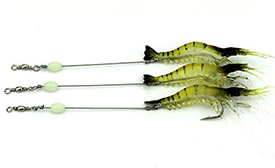
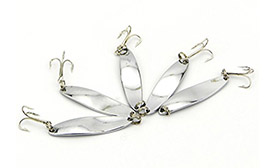
Squid jigs are specialized lures designed to imitate small fish or other prey that squid like to eat. They typically have a weighted lead body, a cloth or rubber covering that gives them natural movement in the water, and a circle of sharp hooks around the base that catch the squid's tentacles when they attack.
Most modern Squid Jigs also have glowing elements built into them – either glowing paint or a place for a glow stick. This is really important because squid feed mostly at night or in deep water where light penetration is low, and the glow attracts them from farther away.
The way it works is simple – you cast or drop the jig to the right depth, then you jerk it up and let it fall back down slowly. The movement imitates a small swimming fish, the glow attracts the squid, and when they attack, they get caught on the hooks.
Choosing the Right Size and Weight
Squid jigs come in different sizes and weights, and choosing the right one depends on where you're fishing:
Size 2.5 – Small Squid, Shallow Water
If you're after smaller market squid in shallow water less than 20 feet deep from shore or a small boat, size 2.5 is perfect. The smaller profile matches the smaller bait that the smaller squid are used to feeding on.
Size 3.0 – All-Around Choice
For most situations when you're jigging for squid in 20-40 feet of water, size 3.0 is the most versatile choice. It works for average-sized market squid, and you can catch both small and larger squid on this size.
Size 3.5-4.0 – Large Squid, Deep Water
When you're targeting bigger squid in deeper water over 40 feet, you need a bigger jig with more weight to get down there quickly. The larger profile also attracts bigger squid that are looking for bigger prey.
In general, you want enough weight to get your jig down to the bottom quickly where the squid are holding. If there's current or wind, you need to go up a size in weight to get down faster and stay in the strike zone.
Color and Glow: What Works Best
Color selection for squid jigs isn't an exact science, but these guidelines will help you catch more squid:
Low Light and Dirty Water: Bright Colors with Strong Glow
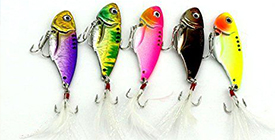
When you're jigging at night, early in the morning, late in the evening, or when the water is murky, go with bright colors like pink, orange, or chartreuse. The bright color combined with a strong glow helps squid find the jig when visibility is low.
Clear Water and Full Moon: Natural Colors
When you're jigging in clear water during the day or when there's a bright full moon, more natural colors like brown, green, or silver work better. The squid can see well, so you don't need the super bright colors to get their attention.
Why the Glow Matters
Squid are attracted to light, especially in low light conditions. Quality squid jigs like those from LENPABY have high-quality glowing paint that holds its glow longer, so you don't have to recharge it as often under a light before you cast.
Basic Technique for Catching More Squid
Squid jigging is actually pretty simple once you get the hang of it. Here's the step-by-step method that has worked for me:
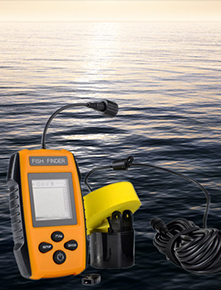
- Find the squid – Squid like structure, drop-offs, reefs, and places where the bottom changes from sand to rock. Use your fish finder to mark them, or look for other boats already jigging – they've probably found the school.
- Let it sink – Drop your jig straight down to the bottom. Count it down as it sinks – about one second per foot of depth is a good rule of thumb.
- Jerk it up – Lift your rod sharply about 2-3 feet upwards. This makes the jig dart upward, just like a swimming fish.
- Let it fall slowly – After you jerk it up, lower your rod slowly so the jig flutters back down to the bottom. Most squid hit on the fall, so be ready to feel that subtle tug when they strike.
- Repeat – Keep jerking and letting fall all the way back to the boat. If you don't get a bite after a few drops, move a little and try again.
When you feel that tug, don't jerk hard like you would with a fish – just reel steadily and keep tension on the line. The hooks will catch the tentacles, and you can reel them in. If you jerk too hard, you'll often pull the jig right away from the squid.
What Other Anglers Are Saying
"I've been squid jigging off the Oregon coast for 15 years, I've tried just about every brand of jig out there. The LENPABY squid jigs hold their glow really well, the hooks stay sharp, and they cost half what I used to pay for imported jigs. Last month I got my limit in under an hour using a 3.0 pink glow jig. I've been really happy with them."
– Steve O., Oregon USA
"I go squid jigging out of San Diego every winter, and I keep a box of LENPABY jigs in my boat now. The quality is excellent – the cloth doesn't tear after a few fish, the lead is uniformly weighted so they sink straight, and they catch just as many squid as the more expensive brands I used to buy. I recommend them to all my friends who go squid fishing."
– Carlos M., California USA
Frequently Asked Questions About Squid Jigs
Q: Do I need a special rod and reel for squid jigging?
A: You don't need anything super special. A light to medium spinning rod between 6 and 8 feet long works great. The reel you already use for Bass Fishing will work fine, just spool it with 10-15 pound test line.
Q: Can you catch squid from shore, or do you need a boat?
A: You can definitely catch squid from shore – many public piers and rocky shorelines have good squid fishing especially at night. Just use a heavier jig so you can cast far enough out to reach the squid.
Q: What's the best time of year for squid jigging?
A: It depends on where you're fishing, but generally fall and winter are the best times when squid move into shallower water closer to shore. In many areas along the West Coast of North America, you can catch squid from October through March.
Q: Can you use squid you catch for bait?
A: Absolutely! Fresh squid is one of the best baits for bigger game fish like striped bass, halibut, and shark. I always keep a few frozen in the freezer for bait when I need it. That's one of the great things about squid jigging – you get food for the table and bait for bigger fish.
Q: Do Squid Jigs work in Freshwater Systems?
A: Squid jigs are specifically designed for saltwater squid fishing, they don't really work for freshwater fish. There are other types of jigs that work better for freshwater fishing.
Ready to Start Squid Jigging?
Squid jigging is a really fun winter activity when other types of fishing slow down, you get fresh delicious squid for the table, and you can get bait for bigger game fish. When you buy factory direct from LENPABY, you get quality squid jigs with great glow and sharp hooks at factory-direct prices – you save up to 60% compared to buying imported jigs from retail stores.
Start with a couple of 3.0 size in pink and natural colors, and head out to your favorite squid spot this winter. Once you catch your first mess of squid on a good jig, I think you'll be hooked just like I am. Good luck and happy jigging!


