





Mastering Crank Lures: Expert Tips for Catching More Bass
Two weeks ago, I was fishing a reservoir in southern Ohio with my friend Dave. It was mid-morning, water temp around 62 degrees, and the bass had moved up to a long, sloping point that drops from 5 feet all the way down to 18. We'd been throwing soft plastics for an hour without much luck when I tied on a deep-diving Crank Lures and told Dave to follow me down the point. On my third cast, I got crunched – a 5.1 pound largemouth that inhaled the bait on the first wobble. Twenty minutes later, we'd boated four more keepers, and Dave was asking me why he'd been leaving his crankbaits in the tackle box all these years. That day reminded me why I love crankbait fishing so much – they cover water fast, they catch big fish, and they work when other lures don't.
If you're not getting as many bites as you think you should when you're fishing structure, it might be time to step up your crankbait game. After 20 years of throwing crankbaits, I've learned a few tricks that help me catch more fish, and I want to share them with you today.
Why Crankbaits Work So Well
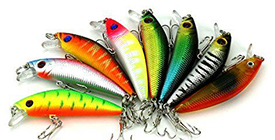
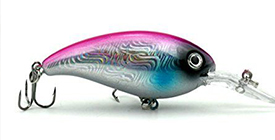
Crankbaits are Hard Baits with a lip on the front that makes them dive and wobble when you reel them. The wobbling action creates vibration that fish can feel even when they can't see the lure, and they get reaction strikes from fish that aren't even actively feeding. They also allow you to cover a ton of water really quickly, which helps you locate schools of bass when you're fishing new water.
Another great thing about crankbaits is that they come in so many different diving depths – you can get crankbaits that just barely go under the surface all the way down to 20+ feet. That means there's a crankbait for every fishing situation.
Match the Depth to the Crankbait
This is the mistake I see most anglers make – they use the wrong diving depth for the water they're fishing. If you're fishing 10 feet deep with a crankbait that only dives 5 feet, you're fishing above the fish, and you won't get many bites. Here's a quick guide to help you match the depth:
- 0-5 feet: Shallow diving crankbaits – perfect for fishing around shallow cover in the spring when bass are close to the bank.
- 5-10 feet: Medium diving – this is the most versatile depth, works year-round on most lakes.
- 10+ feet: Deep diving – for summer and winter when bass hold on deep structure.
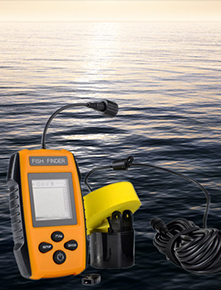
When I'm getting ready to fish a new piece of structure, I check my depth finder to see what the average depth is, then I pick a crankbait that dives just a little deeper than that. This ensures I'm getting my crank right into the strike zone where the fish are holding.
My Go-To Crankbait Techniques
1. Banging It Off Structure
This is my favorite technique, and it puts more fish in the boat than any other. You want your crankbait to hit the rocks, stumps, and brush that bass hold on. When your crank deflects off the cover, that makes it look injured, and that triggers a reaction strike. Most of the time, the bite comes right after the deflection.
The key is to keep reeling when you hit something – don't stop. When the crank deflects, just keep going and be ready for the bite. I've had so many days where I caught most of my fish right after banging into a rock or stump.
2. Vary Your Retrieve Speed
Most anglers reel at the same speed every cast, but that's not always the best thing to do. In cold water, you need to slow way down – just a steady slow retrieve that lets the fish have time to catch up. In warm water, you can speed it up, especially when bass are active.
If you're not getting bites, don't just move to another spot – try changing your retrieve speed. Sometimes going slower or faster makes all the difference.
3. Pause After the Deflection
Here's a pro tip that not many anglers know: when your crankbait deflects off a piece of structure, pause for just a second before you start reeling again. The fish has to follow the bait, and that pause gives them time to catch up and strike. I can't tell you how many extra fish I've caught just by adding that one-second pause after hitting something.
Choosing the Right Gear for Crankbait Fishing
You don't need anything super fancy to fish crankbaits, but having the right gear does help:
Rod: Medium to Medium-Heavy Power, Fast Action
A fast action rod helps you feel the bite and set the hook quickly. The medium-heavy power gives you enough backbone to pull bass out of cover. I've been using a 7-foot medium-heavy fast action rod for crankbait fishing for years, and it works great for most situations.
Line: Fluorocarbon is Your Friend
I use 10-12 pound fluorocarbon for most of my crankbait fishing. Fluorocarbon sinks, which helps your crankbait reach its maximum depth, it has low stretch so you can feel the bite better, and it's nearly invisible underwater. For really deep water or heavy cover, I'll go up to 15 pound.
Reel: High Gear Ratio Helps Cover Water
A 6.3:1 or 7:1 gear ratio reel helps you pick up line quickly when you need to, which is great when you're covering a lot of water. I like having both a high gear ratio and a lower gear ratio reel – use the higher gear ratio when you're searching for fish, and the lower gear ratio when you're fishing deep and need more power.
What Anglers Are Saying About LENPABY Crankbaits
"I've been fishing tournament circuits for 15 years, and I've used just about every brand of crankbaits out there. The LENPABY crankbaits perform just as well as any of the premium brands I've used, but they cost half as much. I can stock my boat with all the sizes and colors I need without breaking the bank. Won a tournament earlier this year on one of their deep-diving crankbaits."
– Alex R., Arkansas USA
"I fish a lot of clear water in the Great Lakes for smallmouth bass, and I use crankbaits almost exclusively in the fall. The LENPABY crankbaits have the perfect action and they hold up really well after banging into rocks all day. The hooks are sharp out of the box, and the finish doesn't chip even after lots of rock contact. Highly recommend."
– Neil T., Michigan USA
Frequently Asked Questions About Crank Lures
Q: What color crankbait should I use in muddy water?
A: In muddy water, go with bright colors – chartreuse, orange, or firetiger. The bright color creates more contrast, and fish can find it easier. In clear water, go with more natural patterns that match baitfish like shad or bluegill.
Q: Do crankbaits work for species other than Bass Fishing?
A: Absolutely! Crankbaits work great for walleye, pike, muskellunge, and even trout in some situations. You just need to match the size of the crankbait to the size of fish you're targeting.
Q: Can you fish crankbaits in Saltwater Systems?
A: Yes, there are saltwater crankbaits designed for species like striped bass and redfish. Just make sure they have stainless steel hardware that resists corrosion from saltwater.
Q: How do I fish a crankbait around Predator Fish Specials like muskellunge?
A: For larger predators like musky, you just need to go bigger – use a larger crankbait that matches the bigger baitfish they eat. Use heavier gear with stronger line, and be ready for bigger strikes.
Q: Why am I not getting any bites on my crankbait?
A: The most common issue is you're not fishing at the right depth – check that your crankbait is actually reaching the depth where the fish are holding. If that's not the issue, try changing your retrieve speed. If it's cold water, slow down. If that still doesn't work, try a different color.
Ready to Add Quality Crank Lures to Your Tackle Box?
Crankbaits are one of the most effective lures you can use for bass and other game fish. They allow you to cover water quickly, locate schools of fish, and trigger reaction bites even when the fish aren't actively feeding. When you buy factory direct from LENPABY, you get quality crankbaits with sharp hooks and the right action right out of the box, but you save up to 60% compared to buying from retail stores.
Start with a medium diving crankbait for all-around fishing, and add a shallow diver and a deep diver to cover all your bases. Once you start fishing them correctly, I think you'll be surprised at how many more fish you catch. Good luck out there, and happy cranking!


