





The Complete Shopping Guide to Metal Lures
It was last winter on Lake Cumberland, water temp sitting right at 42 degrees, and the bass were holding deep on a long main-lake point. I'd tried every soft plastic I had, and I'd even tried a deep-diving crankbait without much luck. I tied on a 3/4 ounce silver spoon – one of my go-to Metal Lures – and started vertically jigging it. On my third drop, I felt that familiar heavy thump, and 10 minutes later I had a 5.8 pound largemouth in the boat. Over the next two hours, I caught seven more keepers from that same spot. That's what I love about metal lures – they catch fish when nothing else will, especially in cold water when the bass aren't moving around much.
If you don't have at least a few quality metal lures in your tackle box, you're missing out on some great fishing opportunities. Metal lures like spoons and jigs have been around forever, and they're still some of the most effective lures you can buy for everything from bass to walleye to trout. Let me walk you through everything you need to know to pick the right metal lures for your fishing.
What Are Metal Lures?
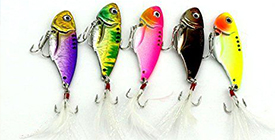
Metal lures are fishing lures that are made primarily from metal – usually lead, brass, or stainless steel. The most common types are spoons and jig heads, though there are also metal blade baits and lipless vibes like Penceil Vib Lures that fit into this category.
There are several big advantages to fishing with metal lures:
- They sink fast: Because they're dense, metal lures get down to deep water quickly, which is perfect for vertical jigging when fish are holding deep.
- They last forever: Unlike soft plastics that tear up after a few fish, a quality metal lure will last for years and years.
- Great vibration and flash: The metal reflects light and creates vibration that fish can feel even when they can't see it well, so it gets their attention even in murky water.
- Versatile: You can fish them in shallow water or deep water, in freshwater or saltwater, for almost any game fish species.
Common Types of Metal Lures
There are several main types of metal lures, each designed for different fishing situations:
1. Spoons
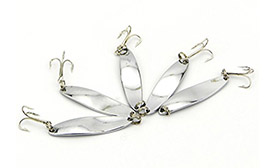
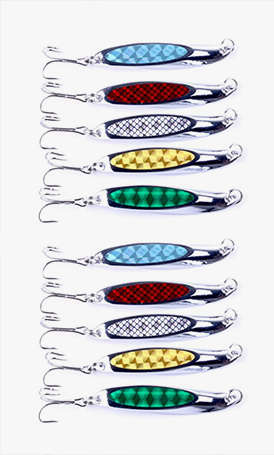
Spoons are the classic metal lure – they have an oblong, curved shape that wobbles and flashes when you reel it in. This wobbling action imitates a wounded baitfish, and it triggers a lot of reaction strikes. Spoons work great for:
- Vertical jigging for deep bass walleye in the winter
- Trolling for trout salmon in large lakes
- Casting for pike musky in open water
I always keep a couple of different sizes of spoons in my box – smaller ones for trout and larger ones for big Predator Fish Specials.
2. Jig Heads
Jig heads are metal heads with a hook molded into them, designed to be paired with soft plastic baits like worms, craws, or swimbaits. Jig head fishing is one of the most effective techniques for Bass Fishing that exists. You can fish them:
- Flipping into heavy cover
- Swimming along grass edges
- Dragging along the bottom for inactive bass
The weight of the metal head gets your soft plastic down to the bottom quickly, and the soft plastic gives the fish that natural flexible action they love. It's a deadly combination that every angler needs to have.
3. Blade Baits
Blade baits are multiple metal blades put together to create lots of vibration. They're absolutely deadly for bass and walleye in cold water when the fish are holding deep. The vibration travels really well through cold water, and fish can feel it coming from far away.
4. Lipless Vibration Baits
Lipless vibe lures like Penceil Vib Lures are usually made with a metal body that creates intense vibration when you reel it. They work great for covering water quickly and finding inactive bass on deep structure.
How to Choose the Right Weight
Weight selection is really important with metal lures – you need enough weight to get down to where the fish are holding. Here's a quick guide:
- 1/4 - 3/8 ounce: Shallow water (less than 10 feet), casting for bass and trout in shallow rivers.
- 1/2 - 3/4 ounce: Mid-depth (10-20 feet), this is the most common all-around size for bass fishing.
- 1 ounce+: Deep water (over 20 feet), vertical jigging fishing in current or windy conditions.
In general, if you're fishing deeper water or there's wind or current, go a little heavier than you think you need. It's better to get down to the fish quickly than to fish above them all day.
Color Selection: What Works Best
Color selection for metal lures follows pretty much the same rules as other lures:
Clear Water and Sunny Days
Use more natural colors – silver, gold, or metallic finishes that mimic real baitfish. The flash looks natural in clear water and doesn't spook the fish.
Murky Water and Cloudy Days
Use brighter colors that create more flash – chartreuse, gold, or painted finishes that stand out. The extra flash helps fish find the lure when visibility is low.
Special Conditions
In the winter when the water's really clear and cold, I like silver because it has a subtle flash that doesn't spook inactive fish. In the spring when the water has some stain, gold or brass tends to work really well.
Effective Techniques for Fishing Metal Lures
Here are the most effective techniques I've used over the years for fishing metal lures:
Vertical Jigging
This is the classic technique for metal spoons in deep water during the winter. you position your boat right over the spot where you mark fish, drop your metal lure straight down to the bottom, then lift it up 1-2 feet and let it fall back slowly. Most bites come on the fall, so be ready to set the hook when you feel that extra weight. I've caught more big bass in the winter using this technique than any other method, and it works when nothing else does.
Casting and Retrieving
For casting to visible fish or covering shallow water structure, you just cast your metal lure out and reel it back in at a steady pace. You can vary the speed depending on water temperature – slower in cold water, faster in warm water. This works great for spoons when you're fishing for trout in rivers and pike in weedy lakes.
Jigging with Soft Plastics
When you're using a jig head matched with a soft plastic, you can fish it several different ways. For flipping into cover, you pitch it into the spot and let it sink, then lift and fall it back to you. For swimming, you just reel it in steadily with occasional pauses. Both techniques catch a lot of fish.
Trolling
Spoons are great for trolling behind a boat for trout and salmon in large lakes. You can let out enough line to get your spoon down to the right depth, then keep your boat moving at a steady pace. This is a great way to cover a lot of water and find where the fish are holding.
What Anglers Are Saying About LENPABY Metal Lures
"I've been using LENPABY jig heads and spoons for a couple years now, and the quality is excellent. The paint doesn't chip, the hooks are sharp out of the box, and they're a fraction of the price I used to pay at the tackle shop. I caught a 6 pound bass last month on a 3/4 ounce silver spoon from deep water – couldn't be happier."
– Eric R., Kentucky USA
"I do a lot of vertical jigging for walleye on Lake Erie every fall, and I go through a lot of spoons. Buying factory direct from LENPABY saves me a ton of money compared to what I used to spend. The action is great, they hold up really well to the rocky bottom, and I catch just as many walleye as I do with the more expensive brands. I've recommended them to all my fishing buddies."
– John D., Ohio USA
Frequently Asked Questions About Metal Lures
Q: Do metal lures only work in freshwater?
A: No, metal lures work great for lots of different saltwater species too – redfish, speckled trout, striped bass, bluefish all hit metal lures. Just make sure you get lures with corrosion-resistant hardware designed for saltwater use.
Q: What's the difference between metal lures and Hard Baits made of plastic?
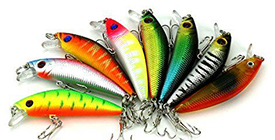
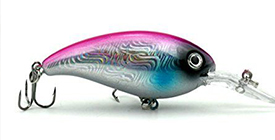
A: Metal lures are denser, so they sink faster and create more vibration. They're also more durable – a good metal lure will last for many seasons, whereas hard plastic baits can crack or break when you hit rocks.
Q: Can I use metal lures from shore?
A: Absolutely! You can cast metal lures a long way from shore, which lets you reach fish that are holding farther out. Spoons work great from rocky shorelines for bass and trout, and jig heads work well for fishing surf areas for saltwater species.
Q: What's the best rod and reel for metal lure fishing?
A: For most bass fishing with jig heads and spoons, a medium to medium-heavy spinning or casting rod works great. You need enough backbone to pull fish out of cover and set the hook properly. For vertical jigging in deep water, a shorter rod with a fast tip helps you feel the bites better.
Q: Do I need to use a leader when fishing metal lures in clear water?
A: A fluorocarbon leader never hurts in clear water, just like it does with other lures. It makes your line less visible to the fish, and it helps you get more bites. In stained water you don't really need it though.
Ready to Add Quality Metal Lures to Your Tackle Box?
Metal lures are one of the most versatile and effective lures you can have in your tackle collection. They work year-round, they catch all kinds of different fish, and they last forever when you take care of them. When you buy factory direct from LENPABY, you get quality metal lures with sharp hooks and durable construction, but you save up to 60% compared to buying from retail tackle stores. They've been making quality fishing lures since 2010, so you know you're getting a product that's designed to catch fish.
Start with a couple of basic sizes – a 1/2 ounce spoon and a 3/8 ounce jig head will cover most common situations. Once you start catching fish on metal lures, I think you'll find yourself reaching for them more often. They're especially deadly when the bite is tough and other lures aren't working. Good luck and happy fishing!


