





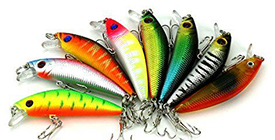
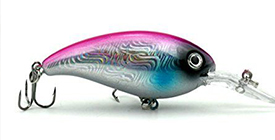
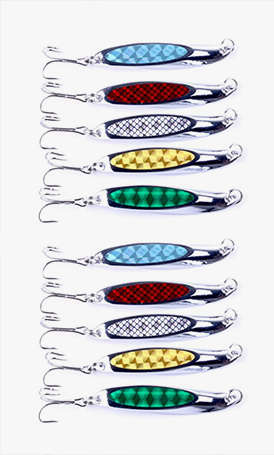

My First Big Soft Lure Catch
Let me take you back to a crisp October morning on Lake Texoma, straddling the border of Texas and Oklahoma. The sun was just peeking over the pine-covered hills, casting a golden glow on the calm water. The air had that perfect fall chill – around 50°F – that makes you pull your jacket a little tighter and your fishing instincts a little sharper.
For weeks, I’d been struggling to get any bites using my usual hard baits. The bass seemed to be hiding in the thick vegetation along the shoreline, refusing to strike at anything that made too much noise or didn’t move just right. That’s when a buddy of mine handed me a simple soft plastic worm from LENPABY and said, “Try this. Work it slow.”
Honestly, I was skeptical. How could a squishy piece of plastic catch more fish than my shiny crankbaits? But I gave it a shot. I rigged it Texas-style, cast it into the thick milfoil near the bank, and let it sink to about 3 feet – the water temp was 68°F, which I knew was ideal for bass feeding in the fall.
The first few casts were uneventful, but on the fourth, I felt a subtle tug. I set the hook, and my rod bent like a bow. After a 5-minute battle, I reeled in a 5.2-pound largemouth bass – the biggest I’d caught all year. In that moment, I became a believer in the power of soft lures.
Why Soft Lures Work So Well
Over the next 20 years, I fished every major lake and river in the US – from the shallow flats of Lake Okeechobee in Florida to the deep, cold waters of Lake Michigan in the Midwest – and soft lures consistently proved their worth. Here’s why they’re so effective:
- Natural Appearance and Movement: Soft lures are designed to mimic the look and action of real baitfish, crawfish, and worms. Their soft, flexible bodies move with the current, creating lifelike vibrations that trigger a fish’s predatory instincts. When you work them slowly through cover, they look like an easy meal waiting to be eaten.
- Versatility: You can rig soft lures in countless ways – Texas-rigged, Carolina-rigged, drop-shot, shaky head, wacky rig, and more. This versatility means you can use them in any type of water, from shallow weeds to deep offshore structures. On a recent trip to the Colorado River in Arizona, I used a drop-shot rigged soft plastic minnow from LENPABY to catch 10 smallmouth bass in just 2 hours.
- Cost-Effective: Compared to hard baits, soft lures are much cheaper. You can buy a pack of 10 soft plastic worms for the price of one high-end crankbait. This makes them a great choice for anglers on a budget, or for those who fish in heavy cover where lures are likely to get snagged and lost.
- Durability: Believe it or not, soft lures are more durable than they look. A single soft plastic worm can last for multiple catches if you take care of it. I once used the same LENPABY worm to catch 8 bass in a row on Lake Erie before it finally started to show signs of wear.
Common Mistakes to Avoid
While soft lures are incredibly effective, they’re not a magic bullet. Over the years, I’ve made my share of mistakes – some of which cost me big fish. Here are the most common ones to watch out for:
Fishing Too Fast
One of the biggest mistakes anglers make with soft lures is fishing them too fast. When I first started using soft plastics, I’d reel them in quickly, thinking I needed to cover more water. But I soon learned that most fish hit soft lures when they’re moving slowly or not at all.
On a trip to Lake Okeechobee last summer, the water temp was 86°F, and the bass were holding in the shade of overhanging trees. I tried casting a soft plastic frog and reeling it in fast, but I didn’t get any bites. Then a local angler showed me how to work the frog slowly, letting it sit for a few seconds after each small hop. Within minutes, I caught a 4.8-pound bass that had been hiding under a cypress tree.
Using the Wrong Rig
The rig you use for your soft lure can make a huge difference in how it performs. If you’re fishing in thick weeds, a Texas rig is the way to go – it keeps the hook hidden, so it doesn’t get snagged. If you’re fishing in open water or around structure, a Carolina rig or drop-shot rig will give your lure a more natural look and feel.
I learned this the hard way on a trip to Lake Michigan. I was fishing for smallmouth bass near a rocky reef, and I was using a Texas-rigged soft plastic worm. Every time I cast it, it would get stuck in the rocks. A nearby angler suggested I switch to a drop-shot rig, and the difference was night and day. I caught 6 smallmouths in the next hour.
Ignoring the Weather and Water Conditions
Just like with any type of fishing, you need to adjust your soft lure strategy based on the weather and water conditions. If the water is murky, use a soft lure with bright colors or a rattle to help fish find it. If the water is clear, use a lure with natural colors that blends in with the surroundings.
On a stormy day on the Mississippi River in Louisiana, the water was muddy, and visibility was less than a foot. I tried using a green pumpkin worm, but I didn’t get any bites. Then I switched to a chartreuse and black worm with a rattle, and I caught 3 bass in 15 minutes. The bright color and rattle helped the fish locate my lure in the murky water.
Specific Soft Lure Recommendations
With so many soft lures on the market, it can be overwhelming to choose the right one. Here are a few of my favorites from LENPABY that have never let me down:
Soft Plastic Worms
Soft plastic worms are my go-to for most fishing situations. They’re simple to use, versatile, and they catch a wide range of fish – from bass to catfish to panfish. I particularly like the 7-inch green pumpkin worm from LENPABY because it looks like a real earthworm and works well in both clear and murky water.
Soft Plastic Minnows
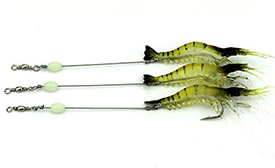
Soft plastic minnows are perfect for targeting fish that feed on baitfish – like bass, walleye, and pike. I use the 4-inch silver minnow from LENPABY on a drop-shot rig when I’m fishing in open water. The lifelike movement of the minnow’s tail attracts fish from a distance, and the small size makes it perfect for catching finicky eaters.
Soft Plastic Crawfish
Soft plastic crawfish are great for targeting bottom-dwelling fish like bass and catfish. I use the 3-inch brown crawfish from LENPABY on a Carolina rig when I’m fishing around rocks or logs. The crawfish’s claws and tail create a natural, scurrying movement that triggers a fish’s predatory instincts.
Pencil Vib Lures
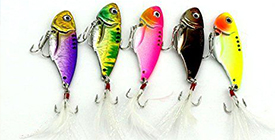
For more aggressive fish like topwater bass, I turn to Penceil Vib Lures. These lures create a realistic swimming action on the surface, imitating a small baitfish that’s trying to escape from a predator. I use them early in the morning or late in the evening when the water is calm, and the fish are feeding on the surface.
Final Thoughts
After 20 years of fishing across the US, I can confidently say that soft lures are one of the most effective tools in any angler’s tackle box. They’re natural-looking, versatile, cost-effective, and they catch a wide range of fish in all types of water conditions. Whether you’re a beginner or an experienced angler, adding a few soft lures from LENPABY to your tackle box will increase your chances of catching more fish.
So, the next time you’re out on the water and you’re not getting any bites, try switching to a soft lure. Work it slow, adjust your rig based on the conditions, and be patient. You might just be surprised by the results.
Actionable Tip: Before your next fishing trip, spend 10 minutes practicing your soft lure technique in your backyard or a local pond. Try different rigs and retrieve speeds, and pay attention to how your lure moves through the water. This will help you feel more confident and comfortable using soft lures on the water.


