




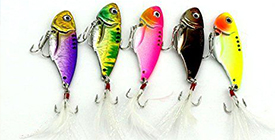
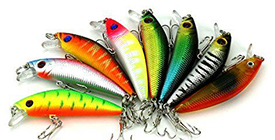
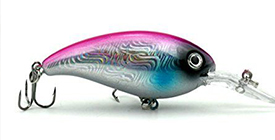
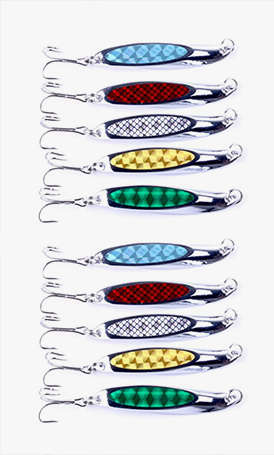


Let me set the scene for you, buddy. It was last May on Lake Okeechobee in Florida—you know, that big ol' freshwater lake that's basically a bass factory if you know what you're doing. The sky was that bright Florida blue, but the humidity was thick enough to cut with a knife, and the water temp was holding steady at 72°F. I'd been out on my aluminum bass boat for a couple of hours, tossing soft plastics around the cattails and hydrilla beds that line the lake's shallows, but the bite was slower than molasses in winter. The bass were there— I could see them finning lazily just below the surface—but they wanted nothing to do with my usual go-to lures.
Honestly, I was getting frustrated. I'd driven four hours from my place in Texas to fish Okeechobee during the spawn, and I was coming up empty-handed. I was just about to call it a morning and head to the marina for a cold drink when I remembered I had a pack of Metal Lures stashed in my tackle box that I hadn't even tried yet. I'd picked them up last month from Freshwater Systems after a buddy back home raved about them, but I'd been so stuck in my soft plastic rut that I hadn't given them a shot.
Why Metal Lures? Because Sometimes, the Bass Want Something Different
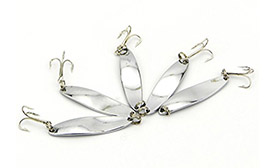
I grabbed one of the metal lures—a small, gold-colored spoon with a thin, wobbly shape—and tied it onto my braided line. I cast it out toward a patch of lily pads that looked promising, let it sink for a second or two, and then gave it a sharp, upward jerk. The lure darted forward, then fluttered back down, reflecting the sunlight in a way that looked exactly like a dying shad. Before I could even reel in half the line, I felt a massive thump on the end of my rod, and my reel started screaming as the fish took off for deeper water. After a five-minute battle, I hauled in a 5-pound largemouth bass that put up a fight like a bull in a china shop.
That single catch changed the entire day for me. Over the next three hours, I caught over a dozen bass using that same metal lure—all of them over 3 pounds, with two breaking the 6-pound mark. The bite was so hot that I didn't even have time to switch back to soft plastics. By the time I headed back to the marina, I was grinning ear to ear, my livewell full of healthy, fat bass. I learned a valuable lesson that day: when soft plastics aren't working, don't be afraid to switch to metal lures. They might just be the key to turning a slow day on the water into a banner one.
The Science Behind Metal Lures: Why They Work So Well
My Favorite Metal Lure Techniques for Different Freshwater Systems
Over the past 20 years, I've fished with Metal Lures in just about every freshwater system you can think of—from the clear, cold lakes of Michigan to the murky, warm rivers of Texas. And I've learned that different techniques work best in different situations. Here are a few of my go-to methods:
Let me tell you about fishing on Lake Michigan, that massive Great Lake that's home to some of the biggest salmon and trout in the US. I was out there last October during the salmon run, when thousands of chinook and coho salmon migrate from the open lake into the tributary rivers to spawn. The water temp was around 58°F, and the wind was blowing at about 15 knots, making the lake's surface choppy and rough.
I was fishing from a 20-foot charter boat with a guide named Tom, who had been fishing Lake Michigan for over 30 years. He told me that the best way to catch salmon during the run was to use metal lures called spoons or plugs, which you troll behind the boat at high speeds. We tied on a few green and silver spoons—my favorite color combination for cold water—and set our trolling speed to about 5 miles per hour. Within 10 minutes, we had our first strike—a 20-pound chinook salmon that put up a fight for the ages.
Tom explained that the choppy water and high trolling speed made the metal lures vibrate and flash in a way that looked exactly like the alewives and smelt that salmon feed on. The combination of speed and vibration was irresistible to the salmon, and we ended up catching over 10 fish that day. It was one of the most exciting fishing trips I've ever been on, and it all came down to using the right metal lures and the right technique.
Fishing Rivers with Metal Lures: A Texas Fisherman's Secret Weapon
Back here in Texas, I do a lot of fishing on the Trinity River, a winding, muddy river that flows through the heart of the state. The Trinity is home to all kinds of freshwater fish—largemouth bass, catfish, crappie, and even a few striped bass that swim up from the Gulf of Mexico. The water is usually murky, with a visibility of only a foot or two, and the current can be strong in some areas.
When I'm fishing the Trinity, I almost always use Metal Lures—specifically, spinnerbaits with large, colorful blades. The blades on the spinnerbait create a lot of vibration and flash, which helps the bass find the lure even when the water is murky. I usually cast the spinnerbait upstream, let it drift with the current, and then reel it in slowly, keeping the rod tip high to make sure the blades are spinning.
One day last summer, I was fishing a stretch of the Trinity near downtown Dallas, where the water temp was 86°F and the current was moving at about 2 miles per hour. I cast out a spinnerbait with a black body and a chartreuse blade, let it drift for a few seconds, and then started reeling it in. Before I could even get it halfway back to the bank, I felt a sharp tug, and my rod bent over as the fish pulled downstream. After a three-minute battle, I hauled in a 7-pound largemouth bass that was covered in mud but had a big, mean look in its eye. It was one of the biggest bass I've ever caught in the Trinity River, and it was all thanks to my trusty metal lure.
My Most Embarrassing Metal Lure Failure (And What I Learned From It)
Okay, so I've been talking a lot about my successes with Metal Lures, but I'd be lying if I said I haven't had my fair share of failures too. One time, I was fishing Lake Texoma—a huge reservoir on the Texas-Oklahoma border that's famous for its striped bass and smallmouth bass. The water temp was around 65°F, and it was a perfect, calm day with a light breeze and clear skies.
I'd been catching smallmouth bass all morning using a silver-colored spoon, but I decided to switch things up and try a new type of metal lure called a jigging spoon. I tied it onto my line, cast it out toward a deep drop-off, and started jigging it up and down. I'd only been at it for a minute or two when I felt a huge thump on the end of my rod. I set the hook hard and started reeling in, but the fish was so heavy that it pulled my rod tip almost to the water. I thought I had a 10-pound striper on the end of my line—maybe even a state record!
But when I finally hauled it out of the water, my heart sank. It wasn't a striper at all—it was a huge, ugly carp that weighed at least 15 pounds. The carp had taken my jigging spoon, and it had been fighting like a monster the entire time. I was so embarrassed that I quickly took the hook out of the carp's mouth and threw it back into the water. I then switched back to my silver spoon and went back to catching smallmouth bass.
Choosing the Right Metal Lure for Your Fishing Situation
Now that you know a little bit about why metal lures work and how to use them, let's talk about choosing the right one for your fishing situation. There are a lot of different types of metal lures out there—spoons, spinnerbaits, jigs, plugs, and more—and each one is designed for a specific purpose. Here are a few things to consider when choosing a metal lure:
- Water Clarity: If the water is clear, use a metal lure with a natural color—like silver or gold—that mimics the baitfish in the area. If the water is murky, use a lure with a bright color—like chartreuse or orange—that creates a lot of vibration and flash.
- Water Depth: For shallow water, use a small, light metal lure that won't sink too fast. For deep water, use a larger, heavier lure that can reach the bottom quickly.
- Target Species: Different types of fish are attracted to different types of metal lures. For bass and walleye, try using spoons or spinnerbaits. For salmon and trout, try using trolling spoons or plugs. For catfish, try using weighted jigs or spinnerbaits.
Another thing to consider is the time of day you're fishing. If you're fishing during the early morning or late evening when the light is low, use a metal lure with a reflective surface that will stand out in the dark water. If you're fishing during the middle of the day when the light is bright, use a lure with a more muted color that won't scare away the fish.
I usually keep a variety of Metal Lures in my tackle box so I can switch things up depending on the conditions. I have small, gold-colored spoons for shallow water bass, large, green and silver spoons for deep water salmon, and spinnerbaits with different colored blades for murky rivers. That way, no matter where I'm fishing or what the conditions are like, I always have the right lure for the job.
Final Thoughts: Give Metal Lures a Shot—You Won't Regret It
Honestly, if I could only use one type of lure for the rest of my life, it would be Metal Lures. They're versatile, durable, and effective at catching just about every type of freshwater fish you can think of. Whether you're fishing for bass in Texas rivers, salmon in Michigan lakes, or walleye in Minnesota ponds, there's a metal lure out there that will work for you.
So, the next time you're out on the water and the soft plastics just aren't working, give a metal lure a shot. You might be surprised at how well it performs. And if you need some help choosing the right lure for your situation, head over to Freshwater Systems—they have a huge selection of high-quality metal lures from top brands, and their staff knows a thing or two about fishing. I've been buying my lures from them for years, and I've never been disappointed.
Actionable Tip: The next time you're fishing with a Metal Lure, try changing your retrieval speed every few casts. Start with a slow, steady retrieve, then switch to a fast, jerky retrieve, then back to slow again. This mimics the movement of a dying or injured baitfish, which is one of the most effective ways to trigger a bite. Trust me—it works!


