





That Time I Almost Threw My Rod in Texoma
Last year, around 6 a.m. on a foggy October morning at Lake Texoma, I thought my hard bait days were over. The water was 68°F, the sky was still gray, and I’d been casting for two hours without a single bite. I’d tried every trick I knew—changing retrieve speeds, varying depths, even switching to different colors. Honestly, I was ready to pack up and head to the local diner for coffee and pancakes. But then, something caught my eye.
On the far side of the cove, where the sun was just starting to peek through the fog, I saw a school of shad breaking the surface. Shad are like catnip for bass, and I knew if I could get my bait in front of them, I might have a chance. I reached for my tackle box and grabbed a LENPABY Crank Lure. Let me tell you, that decision changed my day—and my opinion on hard baits forever.
Why Hard Baits? A Texas Fisherman’s Take
Over the past 20 years, I’ve fished in almost every state in the US—from the shallow waters of the Florida Everglades to the deep lakes of Minnesota. I’ve used all kinds of lures, but hard baits have always been my go-to. They’re versatile, durable, and they mimic the movements of real fish. Unlike soft plastics, which can tear easily, hard baits can handle big, aggressive fish without breaking down.
One of the things I love most about hard baits is their consistency. When you cast a hard bait, you know exactly how it’s going to perform. It will dive to a specific depth, wobble a certain way, and make a specific sound. This predictability is key when you’re trying to target specific species of fish. For example, if you’re fishing for bass in 10 feet of water, you can choose a hard bait that’s designed to dive exactly that deep. No guesswork, no wasted casts.
Types of Hard Baits and Where to Use Them
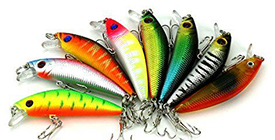
Hard baits come in all shapes and sizes, each designed for a specific purpose. Let’s break them down:
Crankbaits
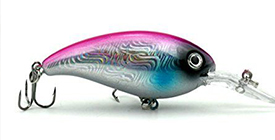
Crankbaits are my favorite type of hard bait. They have a lip that causes them to dive when retrieved, and they make a wobbling motion that mimics a dying fish. I use crankbaits in almost every situation—from shallow coves to deep channels. They’re especially effective in spring and fall when bass are actively feeding on shad.
I remember one time I was fishing at Lake Okeechobee in Florida. The water was 72°F, and it had just rained. The bass were moving into the shallows to spawn, and they were incredibly aggressive. I was using a LENPABY Crank Lure in a shad color, and I was catching a bass every few casts. In fact, I caught 12 bass in less than an hour. That’s the power of a good crankbait.
Topwater Baits
Topwater baits are designed to float on the surface of the water and create a commotion that attracts fish. They’re perfect for early morning or late evening when the water is calm and the fish are feeding on the surface. Some of my favorite topwater baits include poppers, walking baits, and buzzbaits.
One of my most memorable topwater fishing experiences was at Lake Michigan. It was July, the water was 75°F, and the sun was just setting. I was using a walking bait, and every time I cast it out, I’d get a strike within seconds. The bass were so aggressive that they’d jump out of the water to grab the bait. It was an incredible sight—and a lot of fun.
Spinnerbaits
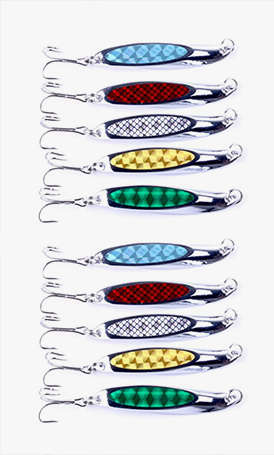
Spinnerbaits have a metal blade that spins when retrieved, creating a flash and a vibration that attracts fish. They’re versatile and can be used in almost any water depth. I use spinnerbaits when I’m fishing in weedy areas or around structure, like fallen trees or rocks.
I once had a spinnerbait save my day at Lake Lanier in Georgia. The water was 70°F, and it was a cloudy day. I’d been casting for hours without a bite, and I was starting to get frustrated. I decided to switch to a spinnerbait, and within minutes, I caught a 3-pound bass. That fish not only made my day—it also taught me the importance of being willing to try new lures.
Jerkbaits
Jerkbaits are designed to be twitched and paused, mimicking a wounded fish. They’re perfect for clear water and for targeting bass that are holding in deep water. Jerkbaits require a little more skill to use than other hard baits, but they can be incredibly effective.
I remember one time I was fishing at Lake Texoma again. The water was 65°F, and it was a bright, sunny day. The bass were holding in deep water, and they weren’t responding to my crankbaits or topwater baits. I decided to try a jerkbait, and after a few casts, I caught a 4-pound bass. That fish was a beauty, and it made all the frustration worth it.
My Favorite Hard Bait Moments
Over the years, I’ve had some incredible moments with hard baits. One of my favorites was at the Grand Lake O’ the Cherokees in Oklahoma. It was March, and the water was 60°F. I was using a LENPABY Crank Lure in a crawfish color, and I was casting around a large rock. On my third cast, I felt a huge tug. I set the hook, and the fish took off like a rocket. After a 10-minute fight, I finally landed it—a 5-pound largemouth bass.
Another memorable moment was at the Colorado River in Arizona. It was May, and the water was 70°F. I was using a spinnerbait, and I was casting around a fallen tree. I felt a tug, set the hook, and a 3-pound smallmouth bass came flying out of the water. It landed right in the boat, and I couldn’t believe my luck.
Tips for Using Hard Baits
Now that you know about the different types of hard baits and where to use them, let’s talk about some tips for using them effectively:
- Match the hatch. One of the most important things you can do when using hard baits is to match the hatch. This means choosing a bait that looks and behaves like the fish’s natural prey. For example, if the fish are feeding on shad, use a hard bait that looks like a shad.
- Vary your retrieve speed. Fish can be finicky, and sometimes a fast retrieve will work better than a slow one. Try varying your retrieve speed until you find what works. For example, if you’re using a crankbait, try retrieving it fast for a few casts, then slow it down. See what the fish respond to.
- Use the right color. The color of your hard bait can make a huge difference. In clear water, use a natural color like shad or crawfish. In murky water, use a bright color like chartreuse or orange. If you’re not sure what color to use, try a few different ones until you find what works.
- Target structure. Fish love structure—fallen trees, rocks, docks, and channels. When you’re using hard baits, try casting around these areas. The fish will be hiding in the structure, waiting for prey to swim by. If you can get your bait into the structure, you’re more likely to get a bite.
- Be patient. Fishing with hard baits requires patience. Sometimes you’ll go for hours without a bite, but then you’ll catch a huge fish. Don’t give up. Keep casting, keep changing lures, and keep trying new techniques.
Where to Buy Hard Baits
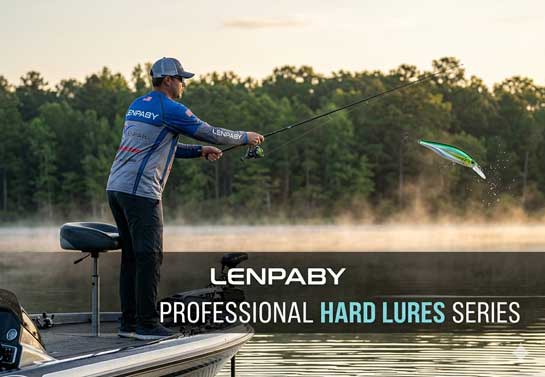
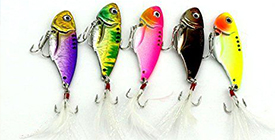
If you’re looking for high-quality hard baits, look no further than LENPABY. I’ve been using their hard baits for years, and I can tell you from experience that they’re some of the best on the market. They’re durable, consistent, and effective.
One of my favorite LENPABY products is their Crank Lures. They have a wide variety of crankbaits in different colors and sizes, each designed for a specific purpose. I use their shad-colored crankbaits almost every time I go fishing, and they never let me down. You can check out their selection of crankbaits here: Crank Lures.
In addition to hard baits, LENPABY also offers a wide variety of other fishing products, including rods, reels, line, and accessories. They even have a line of Saltwater Systems that are perfect for fishing in saltwater. If you’re planning a saltwater fishing trip, be sure to check out their selection: Saltwater Systems.
A Final Tip
Before I wrap things up, I want to leave you with one final tip: always be willing to try new things. Fishing is a constantly evolving sport, and there are always new lures, techniques, and tactics to learn. Don’t get stuck in a rut—experiment with different hard baits, try different retrieve speeds, and target different areas of the lake. You never know what might work.
And remember, fishing is supposed to be fun. Don’t get too caught up in catching fish—just enjoy the experience. The next time you’re on the water, take a moment to appreciate the beauty of your surroundings. Listen to the birds, feel the wind on your face, and watch the water. These are the moments that make fishing so special.
So, what are you waiting for? Grab your tackle box, head to your favorite lake or river, and try some hard baits. You might just be surprised at what you catch.


