





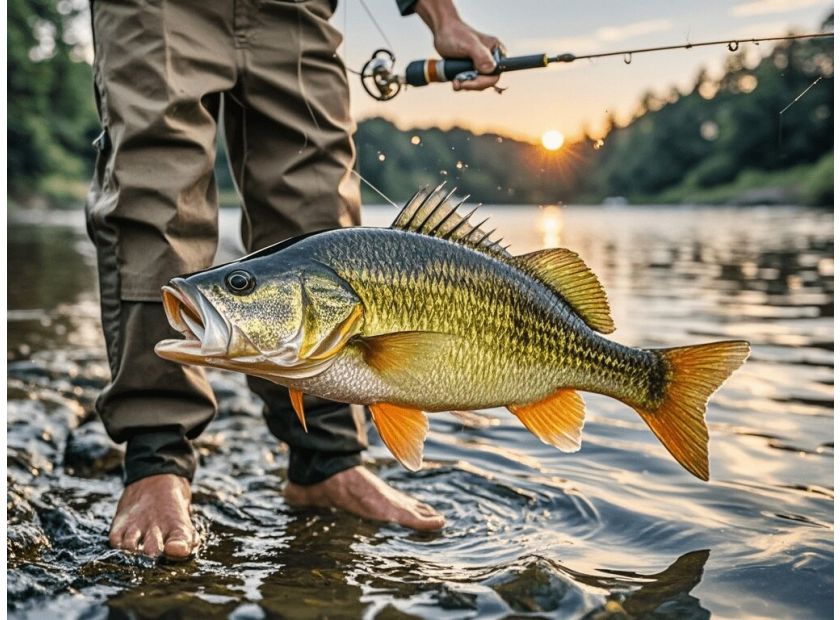
Alright, let’s dive right into it. Picture this: it’s early May, the sun’s just starting to peek over the Texas horizon, casting a warm orange glow across Lake Texoma. The air smells of fresh-cut grass and damp earth, and there’s a light breeze that’s just cool enough to keep you from sweating through your fishing shirt. I’m standing at the bow of my beat-up aluminum boat, coffee in one hand and a tackle box full of Hard Baits at my feet. Honestly, I can feel the anticipation in my bones—today’s going to be a good day. My buddy Jake is sitting next to me, reeling in a cheap plastic spinnerbait for the hundredth time, muttering about how the bass just aren’t biting. Little does he know, I’m about to unlock the secret to a successful day on the water with Hard Baits.
The Power of Hard Baits on Lake Texoma
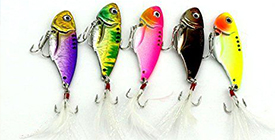
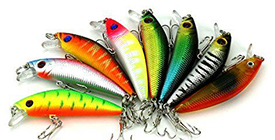
First off, let’s talk about why Hard Baits are so effective here. Lake Texoma’s waters are crystal clear this time of year, water temp hovering around 62°F, and the bass are starting to move into the shallows to spawn. The problem with soft plastics in clear water is that they can look too artificial—bass here are smart, and they’ll spot a fake a mile away. But Hard Baits, with their realistic colors and lifelike movements, trick even the wariest of fish into striking. Freshwater Systems has a fantastic selection of Hard Baits, including the Penceil Vib Lures, which I’ll get into later.
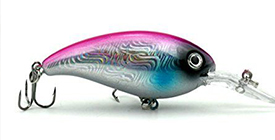
My go-to Hard Bait on Texoma this season is a crankbait with a diving depth of about 8 feet. Its body is painted with a shad pattern that matches the natural forage in the lake perfectly. As I cast it out, the sunlight hits the reflective finish, creating a flash that catches the bass’s eye from across the cove. I reel it in with a steady retrieve, pausing every few feet to let it sink a little. Let me tell you, within minutes, I feel that familiar tug on my line. It’s a solid bass—nothing huge, but it’s a start.
As we move to different spots around the lake, I experiment with other Hard Baits. A jerkbait works particularly well in the deeper channels near the dam, where the water is a little colder. The erratic, darting movement of the jerkbait mimics an injured shad, and the bass here are quick to attack anything that looks like an easy meal. The water temp here is around 58°F, and the jerkbait is proving to be a winner.
Lessons from a Failed Trip to Lake Okeechobee
Now, I don’t want to give you the impression that Hard Baits always work. Earlier this year, I took a trip to Lake Okeechobee in Florida, and I left feeling completely defeated. The water was murky and warm, around 75°F, and the bass were huddled under thick patches of lily pads and hydrilla. I tried every Hard Bait in my tackle box—crankbaits, jerkbaits, topwaters—and I couldn’t get a single bite. Jake, who had finally learned his lesson, was catching bass left and right with a Texas-rigged plastic worm.
It was a humbling experience, and it taught me an important lesson about Hard Baits: they’re not one-size-fits-all. Different conditions require different types of lures, and you have to be willing to adapt. Lake Okeechobee’s murky waters and thick vegetation called for a different approach, and I was too stubborn to switch gears. Now, when I plan a fishing trip, I always check the water temp, clarity, and weather conditions to make sure I’m bringing the right Hard Baits.
Choosing the Right Hard Bait for the Conditions
So, how do you know which Hard Bait to use when? Let’s break it down. If the water is clear and cool, like Lake Texoma, crankbaits and jerkbaits are your best bet. Crankbaits dive deep and cover a lot of water, making them perfect for searching for active bass. Jerkbaits, on the other hand, have a slower, more deliberate retrieve that works well when the bass are being a little more picky.
On sunny days, topwater Hard Baits like poppers or walk-the-dog lures can be incredibly effective. The bass are more likely to be near the surface, and the sound and movement of the topwater lure will draw them out. I remember fishing on Lake Michigan one hot July day, where the water temp was around 72°F, and the bass were hitting topwater lures like crazy. It was a feeding frenzy, and I caught more bass in an hour than I usually do in a whole day.
During the spring, when the bass are spawning, jigs and plastic worms tend to be more effective. But if you’re fishing in a clear lake with a lot of structure, a Hard Bait like a shallow-water crankbait can still produce results. I’ve had success using a crankbait that bounces off rocks and submerged trees, creating a vibration that attracts bass guarding their nests.
The Best Hard Baits for Different Species
Hard Baits aren’t just for bass—they work well for other species too. If you’re fishing for walleye in the Great Lakes, a deep-diving crankbait with a slow, steady retrieve is hard to beat. Walleye are known for their love of cold, clear water, and the crankbait’s lifelike movement mimics the smelt and alewife that are their primary forage.
For pike and muskie, a large, aggressive Hard Bait like a spinnerbait or a topwater plug works best. These fish are predators by nature, and they’ll attack anything that looks like a potential meal. I’ve caught northern pike on Lake Erie using a topwater plug that looks like a small duckling—let me tell you, those pike hit it with incredible force.
Maximizing Your Success with Hard Baits
Now that you know which Hard Baits to use in different conditions, let’s talk about how to maximize your success. First and foremost, it’s important to match the hatch. The bass and other fish you’re targeting are feeding on specific types of forage, so you need to choose a Hard Bait that looks like that forage. If the lake has a lot of shad, use a crankbait or jerkbait with a shad pattern. If there are a lot of bluegill, use a lure that looks like a bluegill.
Another important tip is to vary your retrieve. Don’t just reel in the lure at a steady pace—try pausing, speeding up, or jerking it to create a more erratic movement. The bass will often strike when the lure stops or changes direction. I learned this lesson on Lake Sam Rayburn in Texas, where the bass were only biting when I paused the retrieve for a split second every few feet.
The Future of Hard Baits
As technology continues to advance, Hard Baits are getting more realistic and effective. Companies like Freshwater Systems are constantly experimenting with new materials, colors, and designs to create lures that look and behave like real fish. The Penceil Vib Lures are a prime example of this—they have a unique vibration that mimics the movement of a dying shad, and they’re incredibly effective in clear water.
I’m also excited to see how artificial intelligence and data analytics will impact the future of Hard Baits. Imagine a lure that can adjust its color and movement based on the water conditions and the behavior of the fish. It might sound like something out of a science fiction movie, but it’s a real possibility. Companies are already using data from thousands of fishing trips to develop lures that are specifically designed to catch more fish.
But no matter how advanced Hard Baits get, the basics of fishing will always remain the same. You still need to understand the behavior of the fish you’re targeting, and you still need to be willing to adapt to changing conditions. Technology can give you an edge, but it can’t replace the knowledge and experience that comes with years of fishing.
Hard Baits are a versatile and effective tool for catching bass, walleye, pike, and other freshwater species. From the clear, cool waters of Lake Texoma to the murky, warm waters of Lake Okeechobee, there’s a Hard Bait that will work in almost any condition. The key is to choose the right lure for the conditions, match the hatch, and vary your retrieve.
Of course, it’s not always easy. I’ve had my fair share of failures, like my trip to Lake Okeechobee, where I couldn’t get a single bite. But those failures have taught me valuable lessons about fishing and about life. They’ve taught me to be humble, to be patient, and to never give up.
In the end, fishing is about more than just catching fish. It’s about being in nature, spending time with friends, and creating memories that will last a lifetime. Whether you’re standing at the bow of a boat on a quiet lake or casting from a dock in your backyard, fishing is a rewarding and fulfilling experience.
So, if you’re new to fishing or you’re looking to expand your knowledge, I encourage you to give Hard Baits a try. They might just become your new favorite lure. And who knows—you might even catch the biggest fish of your life.
Actionable Tip: On your next fishing trip, spend 10 minutes observing the natural forage in the water. Look for shad, bluegill, crawfish, or other types of baitfish swimming near the surface. Then, choose a Hard Bait that matches the size, color, and movement of that forage. You’ll be surprised at how much more effective this simple tip is.


