






Alright, let’s dive right into it. I still remember that crisp October morning at Lake Okeechobee in Florida like it was yesterday. The sky was painted a soft pink, and the air carried a hint of salt from the nearby coast. Water temp was a perfect 68°F, and a light breeze ruffled the surface, creating gentle ripples that reflected the sunrise.
I’d been on the water since 5 a.m., casting everything in my tackle box—hard baits, spinnerbaits, even a few jigs. But nothing was working. The bass were there, I could see them finning near the surface, but they were just ignoring every lure I threw their way. Frustration was setting in; I’d driven six hours from my home in Texas just for this trip, and it was starting to look like a bust.
That’s when my buddy Jake, who’d been fishing with me, pulled out a bag of soft plastics from Soft Lures. “Try this,” he said, handing me a curly-tail worm. I was skeptical at first—how could a squishy piece of plastic outperform all the shiny, expensive lures I’d been using? But I tied it on my line anyway, cast it near a patch of lily pads, and let it sink to the bottom. I gave it a slow twitch… and boom! The line jolted, and I found myself reeling in a fat 5-pound bass.
Why Soft Plastics Changed the Game for Me
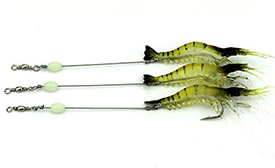
Let me tell you—after that trip, I was hooked. I started experimenting with all kinds of Soft Lures, and they quickly became my go-to. What makes them so effective? Well, first off, they look and feel like real prey. The soft, flexible material moves naturally in the water, mimicking the way worms, minnows, and crayfish swim. Fish can’t resist that.
I’ve fished all over the US—from Lake Michigan to the Rio Grande—and I’ve found that soft plastics work in just about every condition. Whether the water is clear or murky, warm or cold, shallow or deep, there’s a soft plastic lure that’ll get the job done.
One of my favorite things about Soft Lures is their versatility. You can rig them in so many different ways—Texas rig, Carolina rig, wacky rig, Ned rig… the list goes on. Each rig has its own unique action, which means you can adapt to whatever the fish are biting on that day.
My Top Soft Plastic Picks
Over the years, I’ve tried hundreds of soft plastic lures, and there are a few that always seem to produce. Here are my top picks:
- Curly-Tail Worms: Like the one Jake gave me at Lake Okeechobee. They work great in shallow water around vegetation, and the curly tail creates a lot of vibration that attracts fish.
- Senkos: These are my go-to for clear water. They have a unique falling action that drives bass crazy. I usually rig them wacky style.
- Grubs: Perfect for fishing in deep water. The small, compact design allows them to sink quickly, and the rubber tail creates a lot of movement.
- Swimbaits: These are great for imitating small fish. I use them when the bass are feeding on minnows near the surface.
- Crayfish Baits: Crayfish are a favorite food of bass, so these lures are a must-have. They work especially well around rocks and logs.
How I Rig Soft Plastics for Maximum Success
Rigging soft plastics correctly is key to catching fish. Let me walk you through a few of my favorite rigs:
Texas Rig: This is the most popular rig for soft plastics, and for good reason. It’s weedless, which means you can fish in heavy vegetation without getting snagged. To rig a Texas rig, you’ll need a bullet weight, a worm hook, and a soft plastic lure. Slide the bullet weight onto your line, then tie on the worm hook. Thread the lure onto the hook, making sure to cover the point with the plastic.
Carolina Rig: This rig is great for fishing in deep water. It consists of a bullet weight, a swivel, a leader line, and a soft plastic lure. The bullet weight sinks to the bottom, while the lure floats above it, creating a natural, dangling action that attracts fish.
Wacky Rig: This is a simple but effective rig. All you need is a hook and a soft plastic lure. Simply thread the hook through the center of the lure, leaving both ends exposed. This creates a unique falling action that bass love.
Ned Rig: This rig has been gaining popularity in recent years, and it’s easy to see why. It’s a small, lightweight rig that works great for catching smallmouth bass. To rig a Ned rig, you’ll need a small mushroom-shaped weight, a hook, and a soft plastic lure. Thread the lure onto the hook, then slide the weight onto your line.
The Difference Between Soft and Hard Baits
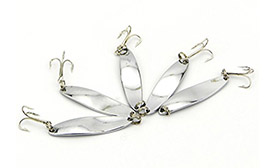
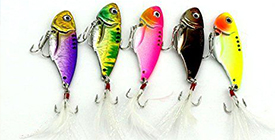
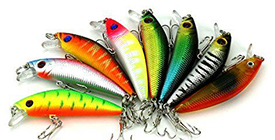
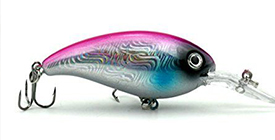
Now, I know some anglers swear by Hard Baits, and don’t get me wrong—they have their place. Hard baits like crankbaits and topwater lures are great for covering a lot of water quickly and attracting aggressive fish. But when the fish are finicky, soft plastics are usually the way to go.
The biggest advantage of Soft Lures over Hard Baits is their realism. Fish are used to eating soft, living creatures, so a soft plastic lure that looks and feels real is much more likely to trigger a bite. Additionally, soft plastics are more durable than hard baits—they can take a lot of abuse from fish without breaking.
I’ve had some of my best days fishing with Hard Baits, too. For example, last summer, I was fishing on Lake Texoma in Texas, and the bass were hitting topwater lures like crazy. I caught three bass over 6 pounds in just one hour using a popper. But on days when the bass are more sluggish, like that October morning at Lake Okeechobee, Soft Lures are the way to go.
Lessons Learned from My Failures
Of course, not every fishing trip is a success. I’ve had my fair share of days when I didn’t catch a single fish, and I’ve learned a lot from those failures. One of the biggest lessons I’ve learned is to be patient. Sometimes, the fish just aren’t biting, and no matter what you do, you’re not going to catch anything. On those days, it’s important to stay calm and keep trying.
Another lesson I’ve learned is to be willing to experiment. If one lure isn’t working, try another. If one rig isn’t producing, switch to a different rig. You never know what the fish are going to bite on that day, so it’s important to have a variety of lures and rigs in your tackle box.
A Day on the Water with Soft Plastics
To give you a better idea of how I use soft plastics, let me walk you through a typical day on the water. Last spring, I was fishing on Lake Michigan, targeting smallmouth bass. The water temp was around 58°F, and the sky was overcast. I started out by using a Ned rig with a small green pumpkin grub. I cast it near a rocky ledge, let it sink to the bottom, and gave it a slow twitch. Within a few minutes, I caught my first smallmouth of the day.
As the day went on, the sun came out, and the water temp rose to around 62°F. The fish started moving to shallower water near the shore, so I switched to a Texas rig with a curly-tail worm. I cast it near a patch of weeds, and it didn’t take long before I hooked into another bass.
Later in the afternoon, the wind picked up, and the water became choppy. I decided to try a Carolina rig with a crayfish bait. I cast it out into the deeper water, let it sink to the bottom, and slowly reeled it in. Before long, I felt a strong tug on my line—turns out, it was a 3-pound smallmouth bass.
By the end of the day, I’d caught over a dozen bass, all using Soft Lures. It was one of those days where everything just clicked, and I was grateful for all the knowledge I’d gained over the years.
Final Thoughts
Soft plastics have revolutionized the way I fish. They’re realistic, versatile, and effective in just about every condition. Whether you’re a seasoned angler or a beginner, I highly recommend adding Soft Lures to your tackle box.
But don’t just take my word for it—go out and try them for yourself. Experiment with different rigs and lures, and see what works best for you. Fishing is all about trial and error, and the more you practice, the better you’ll get.
Actionable Tip: Next time you’re on the water, try rigging a curly-tail worm Texas style and fishing it near a patch of lily pads. Let it sink to the bottom, give it a slow twitch, and wait for the bite. I guarantee you’ll be hooked.


