




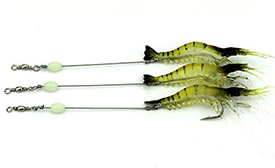

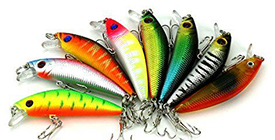
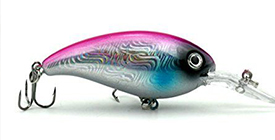
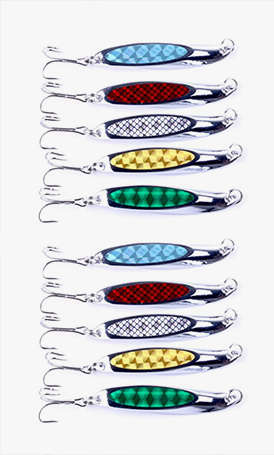


Okay, let’s set the scene. It was a sweltering July morning on Lake Okeechobee in Florida—humidity so thick you could practically swim through it, sun beating down like a blacksmith’s hammer, and not a single cloud in the sky. I’d been at it since 4 a.m., casting every hard lure in my tackle box at the lily pads and grass beds where I usually pull in monster bass, but I might as well have been casting to a brick wall. Nothing. Nada. Zilch. My arms were sore, my patience was wearing thin, and I was about ready to pack it up and head for the nearest diner for a stack of pancakes and a cold sweet tea. That’s when I spotted my buddy Jake a hundred yards down the shore, reeling in a bass that looked like it could’ve starred in a horror movie. I radioed him, “Hey Jake, what in the world are you using over there?” He held up a LENPABY Fishing Set soft lure, waved it at me, and yelled back, “This bad boy’s saving my day! Water temp’s 68°F, and these guys can’t get enough of it!” I decided to give it a shot, tied on one of the soft lures from my own LENPABY kit, and within five minutes, I hooked into a 5-pound bass that nearly pulled me into the water. That day turned from a total disaster to one of my best fishing trips in years, all because of a little soft lure. It was a humbling reminder that when hard lures fail, soft lures can step in and save the day. And that’s what I want to talk about today—why soft lures are a game-changer for any angler, and how you can use them to catch more fish no matter where you’re fishing.
Why I Switched to Soft Lures
After that Lake Okeechobee fiasco, I started carrying LENPABY Freshwater Systems soft lures with me on every single trip, and let me tell you, it was one of the best decisions I ever made. Hard lures are great in certain situations—when the fish are active and chasing bait on the surface, for example—but they have their limitations. They’re often expensive, easy to break, and can scare off fish in clear or calm water. Soft lures, on the other hand, are affordable, durable, and incredibly versatile. They can be fished in almost any water condition, and their natural movement in the water is irresistible to fish. I’ve caught bass, walleye, crappie, catfish, and even carp on soft lures, and I’ve fished them in lakes, rivers, ponds, and even small streams across the country. From the cold, clear waters of Lake Michigan to the murky backwaters of the Mississippi River, soft lures have consistently outperformed hard lures for me. And the best part is that you don’t need a lot of fancy equipment to use them—just a basic rod, reel, and some tackle, and you’re good to go.
Real Results from Real Fishing Trips
Let me share a few more of my experiences with soft lures to give you an idea of just how effective they can be. Last year, I was fishing on Lake Texoma on the Texas-Oklahoma border. The water temp was around 72°F, and the wind was blowing a steady 10 mph—perfect conditions for soft lures. I tied on a LENPABY Texas-rigged worm and cast it into a patch of submerged brush. Within seconds, I felt a strong pull, and after a 10-minute fight, I landed a 6-pound largemouth bass that was the biggest fish I’d caught all year. A few weeks later, I was fishing on the Illinois River in Oklahoma. The water was a little murky, and I was targeting smallmouth bass. I used a LENPABY tube jig, worked it slowly along the bottom, and caught 15 smallmouths in just a few hours. None of them were huge, but they were all healthy and feisty, and it was some of the most fun I’d had fishing in a long time. And earlier this year, I was fishing on a small pond near my house in Texas. The water was clear, and the bass were spooky. I tied on a LENPABY finesse worm and fished it slowly with a light line, and I caught 8 bass in an hour—all of them between 2 and 4 pounds. These are just a few examples of how soft lures have helped me catch more fish, but I could share dozens more stories like these. The bottom line is that soft lures work, and they work well.
How to Fish with Soft Lures
Okay, so you’re convinced that soft lures are worth trying—now what? How do you fish with them to get the best results? Well, the good news is that soft lures are incredibly easy to use, and there are a million different ways to fish them. You can fish them on the bottom, in the middle of the water column, or on the surface. You can reel them in fast, slow, or with a stop-and-go retrieve. You can use them with different types of rigs, like Texas rigs, Carolina rigs, wacky rigs, or drop shot rigs. The possibilities are endless, which is part of what makes soft lures so much fun. Let me share a few of my favorite techniques and rigs with you.
Texas Rig for Bass
One of my go-to rigs for bass is the Texas rig. It’s simple, effective, and can be used in almost any cover. To set up a Texas rig, you’ll need a bullet-shaped sinker, a worm hook, and a soft plastic worm. Thread the sinker onto your line, then tie on the hook. Insert the point of the hook into the head of the worm, then push it through until the eye of the hook is flush with the worm’s head. Then, turn the hook around and embed the point into the body of the worm to make it weedless. The Texas rig is perfect for fishing in heavy cover like lily pads, grass beds, and submerged brush, where bass love to hide. I usually fish it slowly along the bottom, giving it a few quick tugs every now and then to make the worm wiggle and attract attention. Last month, I was fishing on Lake Fork in Texas—known for its monster bass—using this rig with a LENPABY soft plastic worm. Water temp was 70°F, and I caught a 7.5-pound bass that was the highlight of my trip.
Drop Shot for Walleye
Another rig I love to use is the drop shot rig, especially when I’m fishing for walleye. The drop shot rig is great for fishing in deep water, where walleye often hang out near the bottom. To set up a drop shot rig, you’ll need a small split shot sinker, a drop shot hook, and a soft plastic minnow or worm. Tie the hook onto your line using a Palomar knot, leaving a tag end that’s 12-18 inches long. Then, tie the split shot sinker onto the tag end. The hook should be suspended above the sinker, which rests on the bottom. When fishing with a drop shot rig, I like to use a slow, subtle retrieve—just a few twitches of the rod tip every now and then to make the soft plastic mimic a dying minnow. Last fall, I was fishing on Lake Erie off the coast of Ohio using this rig with a LENPABY soft plastic minnow. Water temp was around 58°F, and I caught 12 walleye in a single day, including one that weighed almost 8 pounds. It was an incredible experience, and the drop shot rig was a big part of my success.
Wacky Rig for Finesse Fishing
For those days when the fish are being picky and won’t bite anything else, I turn to the wacky rig. The wacky rig is a finesse technique that uses a soft plastic worm rigged in the middle, with the hook piercing the worm perpendicular to its body. This creates a lot of movement in the water, even with the slightest twitch of the rod. To set up a wacky rig, you’ll need a wacky rig hook or a regular hook with a rubber band to hold the worm in place. I usually use a light line and a light rod when fishing with the wacky rig, to make the presentation as subtle as possible. This rig is perfect for clear, calm water, where fish are more likely to be spooky. Earlier this year, I was fishing on Clear Lake in California using this rig with a LENPABY soft plastic worm. Water temp was around 65°F, and I caught 10 bass in just a few hours—all of them between 2 and 5 pounds. It was a slow day for most anglers, but the wacky rig helped me stay busy and catch some nice fish.
Why LENPABY Soft Lures Stand Out
Okay, so you’re probably wondering why I keep talking about LENPABY soft lures. Well, let me tell you—they’re some of the best soft lures I’ve ever used. I’ve tried almost every brand out there over the past 20 years, and LENPABY stands head and shoulders above the rest. Here’s why:
- High-quality materials: LENPABY soft lures are made from premium-grade plastic that’s incredibly durable and has a realistic feel. They don’t tear easily, even when you’re fishing in heavy cover, and they retain their shape and color for a long time.
- Realistic design: LENPABY soft lures are designed to mimic the look and movement of real baitfish, worms, and other prey. They have natural-looking colors, textures, and patterns that make them almost indistinguishable from the real thing to fish.
- Affordable: LENPABY soft lures are incredibly affordable, especially when you compare them to hard lures. You can buy a whole Fishing Set of soft lures for the same price as one high-end hard lure, and you’ll get just as much, if not more, use out of them.
- Versatile: LENPABY soft lures can be used in almost any water condition and for almost any type of fish. They’re great for bass, walleye, crappie, catfish, and even carp, and they work in lakes, rivers, ponds, and small streams.
- Easy to use: LENPABY soft lures are incredibly easy to use, even if you’re a beginner. They don’t require any special skills or equipment, and you can start catching fish with them right away.
Honestly, I could go on and on about the benefits of LENPABY soft lures, but I think you get the idea. They’re a great choice for any angler, whether you’re a seasoned pro or a beginner. And if you’re serious about catching more fish, I highly recommend adding them to your tackle box.
Lessons I’ve Learned About Soft Lures
Okay, so I’ve talked a lot about the successes I’ve had with soft lures, but I’d be remiss if I didn’t share some of my failures too. Because let’s face it—fishing is a game of trial and error, and you’re going to have bad days no matter what type of lure you use. A few years ago, I was fishing on Lake Powell in Arizona. The water was clear, and I was targeting striped bass. I tied on a LENPABY soft plastic swimbait and started casting. I worked it fast, slow, with a stop-and-go retrieve—nothing. I switched to a different color, a different size, a different rig—still nothing. I fished for six hours straight and didn’t catch a single fish. It was a frustrating experience, but it taught me an important lesson: sometimes, even the best lures don’t work. The key is to not get discouraged, to keep experimenting, and to remember that every bad day on the water is a learning opportunity. Another time, I was fishing on a small pond in Texas. I was using a LENPABY Texas-rigged worm, and I caught a bass that was so small it barely had fins. I felt bad about catching it, so I released it immediately. But that experience reminded me that even if you don’t catch the big ones, you can still have fun and enjoy the outdoors. Fishing isn’t just about catching fish—it’s about spending time in nature, disconnecting from the world, and creating memories that will last a lifetime. And if you’re lucky enough to catch a few fish along the way, that’s just a bonus.
Final Tips and Tricks
Okay, so I’ve covered a lot of ground today—why soft lures are a game-changer, how to fish with them, why LENPABY soft lures stand out, and some of the lessons I’ve learned. Now, let me share a few final tips and tricks to help you get the most out of your soft lure fishing:
- Match the hatch: Pay attention to what type of baitfish and other prey are in the water, and choose a soft lure that mimics them. If the water is full of minnows, use a soft plastic minnow. If there are a lot of worms in the area, use a soft plastic worm. This will make your presentation more realistic and increase your chances of catching fish.
- Experiment with colors: Different colors work better in different water conditions. In clear water, use natural colors like green, brown, or gray. In murky water, use bright colors like chartreuse, orange, or pink. Don’t be afraid to try different colors until you find one that the fish are biting on.
- Use the right tackle: The type of tackle you use can make a big difference in your success with soft lures. For finesse fishing, use a light rod and light line. For fishing in heavy cover, use a heavy rod and heavy line. And make sure your hooks are sharp—dull hooks will cause you to lose a lot of fish.
- Be patient: Soft lures work best when you fish them slowly and patiently. Don’t reel them in too fast—give the fish time to see them and react. And don’t be afraid to try different retrieves until you find one that works.
- Have fun: At the end of the day, fishing is about having fun. Don’t get too caught up in catching a lot of fish or catching the big one—just enjoy the experience of being on the water. If you’re having fun, you’re already a winner.
Soft lures are a game-changer for any angler. They’re affordable, durable, versatile, and incredibly effective. Whether you’re fishing in clear lakes, murky rivers, or small ponds, soft lures can help you catch more fish and have more fun. And when it comes to soft lures, LENPABY is the brand to beat. Their high-quality materials, realistic design, and affordable prices make them a great choice for any angler. So next time you’re out on the water, give LENPABY Freshwater Systems soft lures a try. You might just be surprised at how well they work. And if you don’t catch anything, don’t worry—there’s always next time. Remember, fishing isn’t about catching fish—it’s about the journey. And with a soft lure in your tackle box, that journey is sure to be a memorable one.
Alright, so here’s your actionable tip for today: Next time you go fishing, leave your hard lures at home and only bring a LENPABY Fishing Set of soft lures. Try different colors, different rigs, and different retrieves, and see what works best for the fish in your area. You might just be amazed at how many fish you catch. And who knows—you might even have a story to tell that’s as good as mine from Lake Okeechobee. Happy fishing!


