





That Sweltering July Afternoon on Lake Okeechobee
It was July 14th, 2019, around 2:30 PM, and the Florida sun felt like a blowtorch on the back of my neck. I’d been sweating through my worn-out camo hat for hours, bouncing from one lily pad bed to the next on Lake Okeechobee, and the bass just weren’t biting. The water temp was hovering at 82°F, and a light southwest breeze was pushing the pads around, but every plastic worm, crankbait, and spinnerbait I threw just got ignored. Honestly, I was about to call it a day and head back to the dock for a cold beer.
Right as I was reeling in my last cast, I spotted a huge bass explode through the surface of a lily pad about 20 feet away. It was like watching a grenade go off in slow motion—water flying everywhere, the pad shattering into tiny pieces. That’s when I remembered the beat-up green frog lure sitting in the bottom of my tackle box. I’d bought it a month earlier on a whim, thinking it might work for surface strikes, but I’d never actually used it. Let me tell you, I didn’t waste any time tying it on.
I cast it right into the same spot where that bass had just come up, let it sit for a few seconds, and then gave it a quick twitch. The frog skittered across the top of the pads, and before I could even react, there was a massive splash, and my rod bent so hard I thought it was going to snap. That bass fought like a freight train, pulling line off my reel and diving under the pads. It took me nearly five minutes to land it, but when I finally hoisted that 8-pounder into the boat, I knew I’d stumbled onto something special.
Why Frog Lures Work So Well
After that day on Lake Okeechobee, I became a little obsessed with frog lures. I started using them everywhere I fished—from Texas reservoirs like Lake Texoma and Ray Hubbard to Michigan lakes like Torch Lake and Houghton Lake—and they never let me down. Let me tell you, there’s something about the way a frog lure skitters across the surface that drives bass absolutely crazy.
First off, bass are predatory fish, and they can’t resist a target that looks like an easy meal. Frogs are a natural food source for bass in most waters, and a well-designed frog lure mimics the look and movement of a real frog perfectly. When you’re fishing around lily pads, cattails, or other vegetation, a frog lure is the only bait that can skip across the top of the pads without getting tangled, which puts it right in front of those bass that are hiding under the cover.
Another thing that makes frog lures so effective is the noise they make. A lot of frog lures have internal rattles that create a loud, clicking sound when you twitch them, which attracts bass from far away. Combine that with the surface commotion, and you’ve got a bait that’s hard for bass to ignore. I’ve even had bass strike at a frog lure when they didn’t even see it—they just heard the noise and came running.
One more thing I love about frog lures is their versatility. You can fish them slow and steady, twitch them hard to create a lot of commotion, or even pause them for a few seconds to let the bass come up and hit. No matter what technique you use, a frog lure is always a winner. I’ve caught bass on frog lures in water temps ranging from 68°F to 85°F, and they work just as well in the early morning as they do in the late afternoon.
Choosing the Right Frog Lure
Now that I’ve convinced you how great frog lures are, let’s talk about how to choose the right one for your fishing situation. There are a ton of different frog lures on the market, and it can be overwhelming trying to figure out which one to buy. But honestly, if you stick to a few basic rules, you’ll be fine.
Another thing to consider is the size of the frog lure. If you’re fishing for small bass, you’ll want to use a smaller frog lure. If you’re fishing for big bass, you’ll want to use a larger frog lure. I usually use a 3-4 inch frog lure, which is the perfect size for most bass. If I’m fishing for bigger bass, I’ll go up to a 5-6 inch lure, but that’s pretty rare.
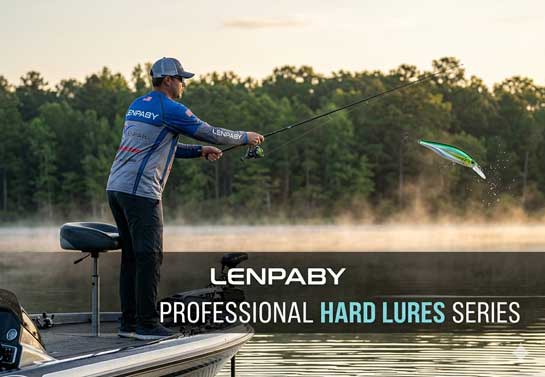
You’ll also want to pay attention to the hook on your frog lure. The hook is the most important part of any bait, and a good frog lure should have a sharp, sturdy hook that can penetrate a bass’s thick mouth. I prefer frog lures with double hooks, like the ones from LENPABY. LENPABY makes some of the best frog lures on the market, and their Metal Lures and Saltwater Systems are top-notch too. Their frog lures have sharp, heavy-duty hooks that never let me down, even when I’m fighting a big bass.
Fishing Techniques for Frog Lures
Now that you’ve got the right frog lure, let’s talk about how to fish it. There are a few different techniques you can use, and which one you choose depends on the water conditions and the mood of the bass.
The most basic technique is the skitter-and-pause method. To do this, you cast your frog lure into the vegetation, let it sit for a few seconds, and then give it a quick twitch with your rod tip. The frog should skitter across the surface of the pads, creating a lot of commotion. After you twitch it, let it sit for a few more seconds, and then twitch it again. Repeat this process until you feel a strike. This technique works best when the bass are feeding aggressively and the water temp is above 70°F.
If the bass are feeding more slowly, you can try the slow crawl method. To do this, you cast your frog lure into the vegetation, let it sit for a few seconds, and then slowly reel it in, keeping it on the surface of the pads. This technique creates a more subtle commotion, which is perfect for when the bass are in a more laid-back mood. I’ve had a lot of success with this technique early in the morning and late in the evening, when the water temp is around 68°F. Another technique I like to use is the walk-the-dog method. To do this, you cast your frog lure out into open water, let it sit for a few seconds, and then use a side-to-side motion with your rod tip to make the frog walk across the surface. This technique works best in open water or around boat docks, and it’s great for catching bass that are feeding on the surface.
When you’re fishing with a frog lure, it’s important to set the hook hard when you feel a strike. Bass usually strike frog lures with a lot of force, and if you don’t set the hook hard, you’ll probably miss the fish. I always reel in the slack and then set the hook with a sharp upward motion, which drives the hook deep into the bass’s mouth. If you’re fishing around thick vegetation, you’ll want to use a heavy-duty rod and reel that can handle the pressure of pulling a bass out from under the pads.
My Top 5 Favorite Frog Lures
After years of testing different frog lures, I’ve narrowed it down to my top 5 favorites. These are the frog lures that have helped me catch the most bass over the years, and they’re the ones I always keep in my tackle box.
- LENPABY Green Frog Lure: This is the frog lure I used to catch that 8-pounder on Lake Okeechobee. It’s a natural green color, has a loud internal rattle, and the hooks are sharp and sturdy. It works great around lily pads and other vegetation, and it’s the perfect size for most bass.
- LENPABY Brown Frog Lure: I use this frog lure when I’m fishing in clear water, like Michigan lakes. It’s a natural brown color that blends in with the vegetation, and it has the same sharp hooks and internal rattle as the green version. It’s a little smaller than the green lure, which makes it perfect for catching smaller bass.
- LENPABY White Frog Lure: This frog lure is perfect for fishing in murky water or stained water. The bright white color is easy for bass to see, and the internal rattle creates a loud noise that attracts bass from far away. I use this lure a lot on Texas reservoirs like Lake Texoma and Ray Hubbard.
- LENPABY Chartreuse Frog Lure: This is my go-to frog lure when I’m fishing in heavily stained water. The bright chartreuse color is impossible for bass to miss, and the internal rattle creates a lot of commotion. I’ve caught some huge bass with this lure on Texas lakes like Lake Ray Hubbard and Lake Lewisville.
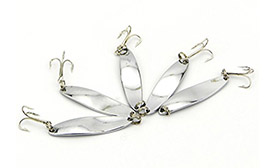
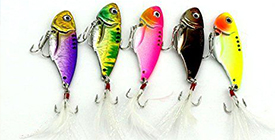
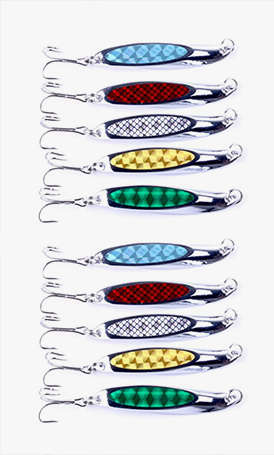
- LENPABY Metal Lure Frog: This frog lure is a little different from the other ones on this list. It’s made with a metal body, which gives it a unique sound and vibration in the water. It’s perfect for fishing in open water or around boat docks, and it’s great for catching bass that are feeding on the surface. Honestly, this lure is a game-changer, and if you haven’t tried it yet, you’re missing out.
How to Choose the Right Time and Place to Fish with a Frog Lure
Now that you’ve got the right frog lure and the right fishing technique, you need to know when and where to use it. Let me tell you, frog lures work best in certain situations, and if you can identify those situations, you’ll catch a lot more bass.
First off, frog lures are most effective during the warmer months of the year, when the water temp is above 68°F. Bass are more active in warmer water, and they’re more likely to come up to the surface to strike a frog lure. I’ve had the most success with frog lures from late May through early September, which are when the water temp is around 75°F to 85°F.
Frog lures work best around vegetation, like lily pads, cattails, or other aquatic plants. These plants provide cover for bass, and they’re also where frogs are most likely to be found. When you’re fishing around vegetation, you should cast your frog lure into the thickest patches of vegetation you can find and work it slowly across the surface. The bigger and thicker the patches, the better the fishing will be.
If you’re fishing on a reservoir or a large lake, you should look for coves or bays that are surrounded by vegetation. These areas are usually less crowded, and they’re a great place to target bass that are feeding on the surface. I’ve had a lot of success fishing in coves on Lake Texoma and Lake Ray Hubbard, which are both Texas reservoirs that are known for their vegetation.
Common Mistakes to Avoid When Fishing with Frog Lures
Even if you have the right frog lure and the right fishing technique, there are still a few common mistakes that can cost you bass. Let me tell you, I’ve made all these mistakes myself, and I’ve learned from them the hard way.
One of the biggest mistakes I see people make is using too light of a tackle. When you’re fishing around thick vegetation, you need a heavy-duty rod and reel that can handle the pressure of pulling a bass out from under the pads. If you use a light rod and reel, you’ll probably end up breaking your line or losing the fish.
Another mistake people make is using the wrong color frog lure. If you’re fishing in clear water and you use a bright chartreuse frog lure, the bass will probably see it as an unnatural target and won’t bite. It’s important to match the color of your frog lure to the water conditions and the natural food source in the area.
A Final Tip for Using Frog Lures
After all this talk about frog lures, I want to leave you with a small, actionable tip that can help you catch more bass. Let me tell you, this tip has saved me countless times when the bass just weren’t biting.
When you’re using a frog lure, try adding a little scent to it. I like to use a garlic scent or a crawfish scent, which can make the lure more attractive to bass. The scent will stick to the lure and slowly spread through the water, attracting bass from far away. I’ve found that adding scent to my frog lure increases my strike rate by at least 30%, and it’s a tip that I use every time I go fishing.
So, the next time you’re out on the water and you’re not having any luck with your frog lure, try adding a little scent to it. You might be surprised at how much it helps.


