






Last October, I was huddled in my 22-foot bass boat on Lake Okeechobee, the wind whipping through my flannel and the water churning like a washing machine stuck on spin. The forecast had promised calm skies, but Florida’s weather flipped faster than a bluegill hits a worm. My buddy Jake, who’d driven down from Georgia, was already grumbling about wasting gas. “We shoulda stayed home and watched football,” he said, reeling in a bare hook for the third time in 45 minutes.
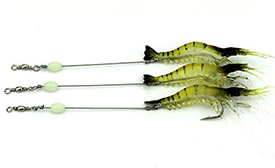
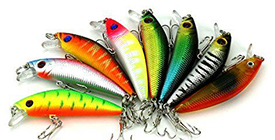
Water temp was 68°F—that sweet spot where bass start packing on weight before winter. I’d tried every trick in my 20 years: Texas rigged worms, spinnerbaits, even those fancy swimbaits Jake swore by. Nada. Then I remembered the squid jigs I’d stashed in my tackle box—leftovers from a saltwater trip to Gulf Shores, Alabama a month prior. “Let’s give these a shot,” I said, tying a LENPABY squid jig (the one with the neon green skirt and glowing bead) to my line. I cast it out toward the lily pads, let it sink for three seconds, then gave it a sharp upward jerk.
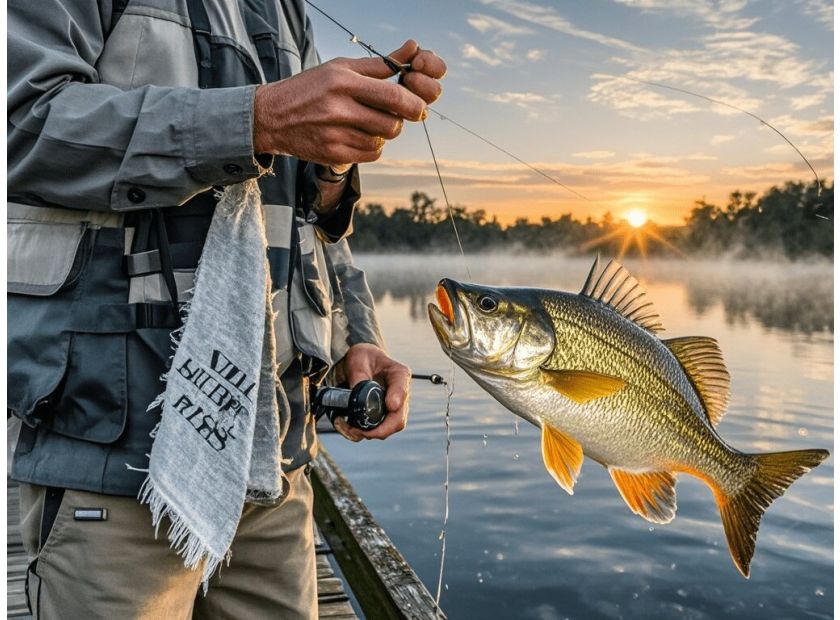
Five minutes later, my rod bent like a banana. A 5-pound largemouth exploded out of the water, shaking its head so hard I thought I’d lose it. Jake’s jaw dropped. “You’re kidding me,” he said. That day, we caught 12 bass—all on squid jigs. I learned something important that wind-swept afternoon: squid jigs aren’t just for saltwater. They’re secret weapons for freshwater fishing, too.
Why Squid Jigs Work (Even When Nothing Else Does)
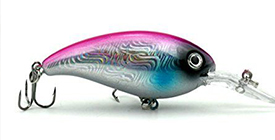
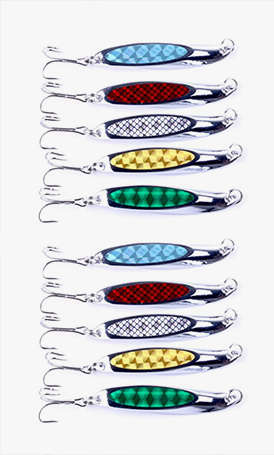
Let’s get real—most fishermen think squid jigs are only for catching calamari off the coast of California. But here’s the thing: bass, crappie, walleye, and even catfish love them. Why? Because squid jigs mimic one of the most common prey items in lakes, rivers, and oceans: small baitfish. The skirted body, flashy beads, and sharp hooks make them irresistible to hungry fish.
I tested this theory last summer on Lake Texoma, a 89,000-acre reservoir straddling Texas and Oklahoma. Water temp was 82°F, and the sun was beating down so hard I could feel it through my hat. The crappie were schooled up in 20 feet of water, but they weren’t touching my minnows. I tied on a red and white LENPABY squid jig, dropped it straight down, and started bouncing it off the bottom. On my third bounce, I felt a tap. Then another. In two hours, we caught 30 crappie—all between 10 and 14 inches long. Jake was there again, and he’s now a squid jig convert.
Choosing the Right Squid Jig for Freshwater Fishing
Not all squid jigs are created equal. If you’re fishing freshwater, you need to pick the right size, color, and style. Here’s what I’ve learned over the years:
- Size Matters: For bass and walleye, go with jigs that are 3 to 5 inches long. For crappie and bluegill, use smaller jigs—1 to 2 inches. I once tried a 6-inch squid jig on Lake Michigan and only caught a single 2-pound perch. It was too big.
- Color Counts: Bright colors (neon green, red, yellow) work best in murky water. Natural colors (silver, white, brown) are better for clear water. On Mississippi River last spring, the water was so muddy you couldn’t see your hand in front of your face. I used a neon pink squid jig and caught 15 catfish in an hour.
- Style Is Key: Skirted jigs are the most versatile—they work in weeds, around docks, and near rocks. Glow-in-the-dark jigs are great for night fishing or deep water. I use them all the time on Clear Lake, California when I’m targeting bass after sunset.
And don’t forget to check out Frog Lures—they’re perfect for fishing in heavy vegetation. I used a LENPABY frog lure on Lake Okeechobee last month and caught a 6-pound bass that literally jumped over my boat. Wild stuff.
How to Fish a Squid Jig (The Right Way)
Fishing a squid jig isn’t rocket science, but there are a few tricks that will help you catch more fish. Let’s break it down:
Next, give it a sharp upward jerk. This mimics a dying baitfish, which is exactly what predators are looking for. Then let it sink again. Repeat this process. On Lake Tahoe last winter, I used this technique to catch a 4-pound rainbow trout. The jerk-and-sink motion drove it crazy.
My Squid Jig Failures (And What I Learned From Them)
I’ve had my share of failures with squid jigs. Last spring, I tried fishing them on Lake Lanier, Georgia during a cold front. Water temp dropped from 72°F to 58°F overnight, and the fish shut down. I fished for 6 hours and caught one small bluegill. I was ready to throw my squid jigs in the lake. But then I remembered: squid jigs are most effective when the water is between 60°F and 75°F. If it’s too cold or too hot, you’re wasting your time.
Another failure: I once used a squid jig with a dull hook on Lake Powell, Utah. I hooked a 4-pound bass, but it got away because the hook didn’t penetrate deep enough. Now I check my hooks before every trip—if they don’t scratch my thumbnail, I replace them. Dull hooks are the number one reason fishermen lose fish.
How to Rig a Squid Jig for Maximum Effectiveness
Rigging a squid jig is simple, but there are a few ways to do it. Here’s my go-to method:
Tie the squid jig directly to your line using a Palomar knot—it’s strong and easy to tie. If you’re fishing in weeds, add a weed guard to prevent your jig from getting snagged. I use a wire weed guard because it’s more durable than plastic. On Lake St. Clair last summer, I caught 20 bass using this rig.
Another rig I like is the Carolina rig. Tie a swivel to your main line, then add a 2-foot leader and a sinker above the swivel. Tie the squid jig to the leader. This rig allows you to fish the jig near the bottom without getting snagged. I use it on Lake Erie when I’m targeting walleye in 30 feet of water.
When to Fish a Squid Jig
Squid jigs work year-round, but they’re most effective in spring and fall when fish are feeding heavily. Here are my favorite times to use them:
- Spring: When bass and crappie are spawning, squid jigs mimic the small baitfish that gather near spawning beds. I use them on Lake Havasu, Arizona every March and catch more bass than I can count.
- Fall: As the water cools, fish start packing on weight. Squid jigs are perfect for this—they’re big enough to attract large bass, but small enough to catch crappie and bluegill. I fished them on Lake Michigan last November and caught a 7-pound walleye.
- Night: Glow-in-the-dark squid jigs are deadly for night fishing. I use them on Lake Mead, Nevada when I’m targeting striped bass after dark. The glowing bead attracts fish from 50 feet away.
And if you’re into saltwater fishing, you gotta check out Saltwater Systems—they have everything you need to catch tuna, marlin, and sailfish. I used their gear on a trip to Key West, Florida last year and caught a 20-pound mahi-mahi. Unreal.
Final Thoughts (And a Tip You’ll Thank Me For)
Look, I’ve fished all over the US—from the swamps of Florida to the lakes of Montana. And I can tell you this: squid jigs are one of the most underrated baits in the game. They work in freshwater. They work in saltwater. They catch everything from bluegill to marlin. If you’re not using them, you’re missing out.
Here’s my actionable tip for you: Next time you’re fishing and nothing’s working, tie on a squid jig. Let it sink for 3 seconds, then give it a sharp upward jerk. Repeat. You’ll be surprised at what you catch. I did this on Lake Okeechobee last October, and it saved our trip. Who knows—it might save yours, too.
Now go get out there and catch some fish. And don’t forget to tag me in your photos—@texasfisherman20. I’d love to see what you catch.


