





It was 6:15 AM on Lake Okeechobee last May, the kind of morning where the air smells like warm dirt and fresh bass. I’d been trolling around the flats for 45 minutes, throwing everything from soft plastics to spinnerbaits, and hadn’t gotten so much as a nibble. The water temp was 68°F, which should’ve been prime, but the bass were holding tight to the lily pads like they didn’t want to come out and play. Honestly, I was about to call it quits and head to the diner for some grits.
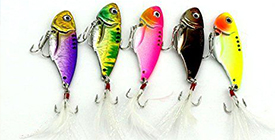
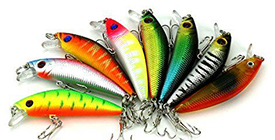
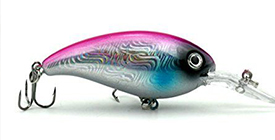
Then I remembered the LENPABY Popper Lure I’d stashed in my tackle box the night before. I’d grabbed it on a whim from their Fishing Set – a 4-inch chartreuse and white number with a rattle inside that sounded like a dying bluegill. I tied it on, cast it past a cluster of pads, and gave it three sharp pops. Before I could even reel in an inch, a 5-pound largemouth exploded out of the water and hit that popper like it owed him money.
Why Poppers Are My Go-To Lure
That morning on Okeechobee was a reminder of why popper lures have been a staple in my tackle box for the past 20 years. They’re simple, versatile, and when the fish are feeding on the surface, nothing else compares. Let me tell you, there’s nothing more exciting than watching a bass or pike crash into your popper – it’s like a firecracker going off in the water.
Poppers work by creating a commotion on the surface. When you pop them, they displace water and make a loud, splashing noise that mimics a wounded baitfish. That noise and movement draw predators out of their hiding spots and trigger their instinct to strike. And the best part? You don’t need to be a pro to use them. Even a beginner can cast a popper and get results.
Choosing the Right Popper for Your Water
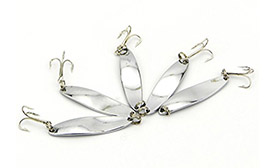
Not all poppers are created equal, though. The key is to match the size and color of your popper to the baitfish in your water. For example, on Lake Texoma, where shad are the primary forage, I use a 3-inch silver popper from LENPABY’s Predator Fish Specials. The silver color matches the shad perfectly, and the 3-inch size is just right for the bass and striper that live there.
I once made the mistake of using a 5-inch popper on a small river in Michigan. The water was clear, and the bluegill were tiny – the popper looked like a giant alien in comparison. I didn’t get a single bite all day. When I switched to a 2.5-inch yellow popper that matched the bluegill, I caught 10 bass in the next hour. It was a humbling reminder that size and color matter.
The Best Times to Use a Popper
While poppers work year-round, they’re most effective during certain times of the day and year. Early morning and late evening are prime times, especially when the water is calm. The low light makes the surface noise even more noticeable to predators, and they’re more likely to feed on the top. I’ve had some of my best days fishing poppers at sunrise on Lake Erie, where the walleye and smallmouth bass are always ready to strike.
Spring and fall are also great times for poppers. In the spring, bass are spawning, and they’re aggressive in defending their nests. A popper skipping over the nest will trigger a strike every time. In the fall, the baitfish are schooling up on the surface, and the predators are feeding heavily before winter. A popper that mimics the school will draw in big bass and pike.
How to Fish a Popper Like a Pro
I once fished a popper on the Mississippi River in Illinois during a hot summer afternoon. The water was 85°F, and the bass were sluggish. I tried the pop and pause with a short pause, and didn’t get any bites. When I increased the pause to 10 seconds, a 6-pound bass hit the popper so hard it pulled my rod out of my hands. It was a reminder that sometimes, less is more.
Tips for Casting a Popper
Casting a popper requires a little finesse. You want to cast it far enough to reach the feeding zone, but not so far that you can’t control it. The key is to use a light to medium rod with a fast action. A fast action rod will help you cast the popper far, and it will also give you the sensitivity to feel the strike. I use a 6’6” medium-fast rod with 10-pound braided line – it’s the perfect setup for popper fishing.
Another tip is to cast past your target. If you see a school of baitfish or a bass holding near a log, cast the popper past the spot and retrieve it back through. This gives the fish a chance to see the popper coming, and it makes the retrieve more natural. I’ve caught countless bass this way on Lake Michigan, where the smallmouth are always holding near the rocks.
Fishing Poppers in Different Types of Water
Poppers work in almost every type of water, from small ponds to large lakes to rivers. Let’s take a look at how to fish them in different environments.
Small Ponds and Lakes
Small ponds and lakes are perfect for popper fishing. The water is usually calm, and the fish are more likely to feed on the surface. I like to target the areas around docks, lily pads, and fallen trees – those are the places where bass and bluegill hide. A 3-inch popper in chartreuse or yellow works great here.
Last summer, I fished a small pond in Texas with my 12-year-old nephew. He’d never used a popper before, so I showed him how to do the pop and pause. On his third cast, he caught a 2-pound bass. He was so excited, he dropped his rod and fell into the water. It was a moment I’ll never forget.
Large Lakes
Large lakes like Lake Okeechobee and Lake Erie require a little more strategy. The fish are spread out, so you need to cover a lot of water. I like to use a popper with a rattle inside – the rattle helps attract fish from a distance. A 4-inch popper in silver or white works great here. I also like to fish the areas around weed beds and drop-offs – those are the places where bass and pike school up.
I once fished Lake Erie for walleye using a popper with a glow-in-the-dark body. The sun had just set, and the water was calm. I cast the popper out and gave it a few pops. Within seconds, a walleye hit it so hard it pulled my line tight. It was a 3-pound walleye – the biggest one I’d caught that summer.
Rivers
Rivers are a little trickier for popper fishing, but they can be very rewarding. The current makes it hard to control the popper, so you need to use a heavier line and a longer pause. I like to target the areas behind rocks and logs – those are the places where bass and smallmouth hide from the current. A 3-inch popper in brown or black works great here.
Last fall, I fished a small river in Colorado with a friend. The water was cold, and the smallmouth were sluggish. I tried a 3-inch brown popper with a long pause, and it worked like a charm. I caught 8 smallmouth in an hour – each one hitting the popper on the pause.
Common Mistakes to Avoid
Even the best fishermen make mistakes, and popper fishing is no exception. Let’s take a look at some of the most common mistakes and how to avoid them.
Fishing Too Fast
One of the biggest mistakes beginners make is fishing too fast. They pop the popper too often and don’t give it enough time to sit. The pause is key – that’s when the predator will strike. I usually pause for 2-3 seconds, but if the fish are being slow, I’ll pause for 5 seconds or more.
Using the Wrong Size or Color
Another common mistake is using the wrong size or color popper. As I mentioned earlier, you need to match the size and color of your popper to the baitfish in your water. If the baitfish are small, use a small popper. If the water is clear, use a natural color. If the water is murky, use a bright color.
Fishing in the Wrong Place
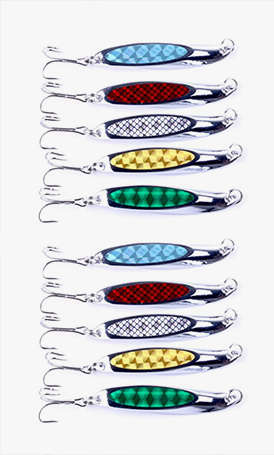
After all these years on the water, I still get excited every time I tie on a popper. It’s a lure that’s simple, effective, and never fails to deliver. Whether I’m fishing a small pond in Texas or a large lake in Michigan, a popper is always in my tackle box. And with LENPABY’s Fishing Set and Predator Fish Specials, I always have the right popper for the job.
An Actionable Tip for Your Next Trip
Next time you’re out on the water, try this: Before you start fishing, take a minute to watch the surface. Look for signs of baitfish – like splashes or ripples. If you see baitfish on the surface, that’s a good sign that predators are nearby. Tie on a popper that matches the size and color of the baitfish, and cast it into the feeding zone. Use the pop and pause retrieve, and be patient. You might just catch the biggest fish of your life.


