






That Okeechobee Morning That Changed My Crank Lure Game
Let me set the scene for you, buddy. It was a crisp February morning on Florida’s Lake Okeechobee—you know, that massive freshwater lake that’s basically a bass fisherman’s dream. The sun was just starting to paint the sky in shades of orange and pink, and the air carried that sweet, earthy smell of wet grass and pine. The wind was light, barely enough to ruffle the surface of the water, and the water temp hovered right around 64°F. I’d been fishing this lake for over a decade, but this particular morning would etch itself into my memory.
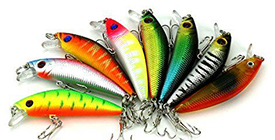
For the first two hours, I threw everything in my tackle box at those bass—plastic worms, jigs, spinnerbaits. Nada. Zilch. Not even a nibble. I was starting to get frustrated, wondering if I’d wasted a perfectly good morning. Then, I noticed something out of the corner of my eye—a school of shad darting around near the shore, just below the surface. They were panicking, like they were being chased by something big. I reached into my tackle box and grabbed a Hard Baits that I’d picked up a few weeks earlier from LENPABY. It was a shad-colored crank lure with a diving depth of 8-12 feet. I cast it out towards where the shad were and started reeling it in slowly.
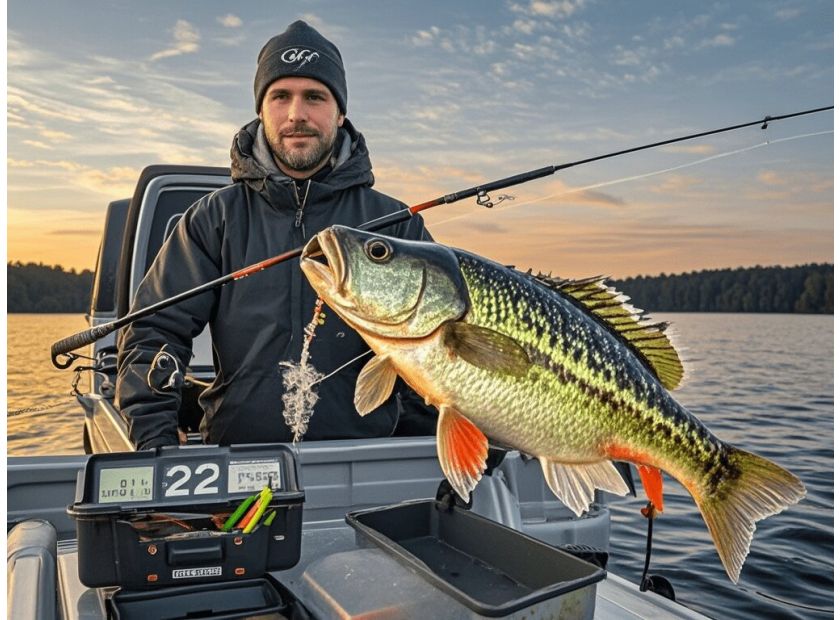
Within three seconds, the line went tight, and my rod bent in half. I knew immediately it was a big one. After a five-minute fight that had my heart pounding, I hauled in a 6-pound largemouth bass that looked like it had just come off a tournament stage. The feeling of that bite, the adrenaline rush of the fight—it’s what keeps us fishermen coming back, right? That morning, I caught three more bass over 5 pounds on that same crank lure, and I realized I’d been missing out on the incredible power of these lures.
What Are Crank Lures and Why Do They Work So Well?
Crank lures are one of the most versatile Hard Baits you can have in your tackle box. They’re designed to mimic the swimming action of baitfish, which is why bass, walleye, and other predatory fish can’t resist them. The secret is in their shape and construction.
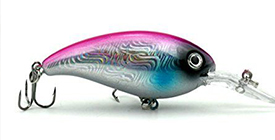
Crank lures are made of hard plastic or wood, and they have a bill on the front that determines how deep they dive when you reel them in. The longer the bill, the deeper the lure goes. When you reel it in, the bill pushes water against the sides of the lure, causing it to wobble back and forth. This wobble mimics the natural swimming motion of a baitfish that’s in distress, which triggers the predator’s instinct to attack.
Another great thing about crank lures is that they can cover a lot of water quickly. If you’re not sure where the fish are hiding, you can cast a crank lure out and reel it in at different speeds and depths to see what works. It’s a much more efficient way to find fish than sitting in one spot and waiting for them to come to you.
Let me tell you about another time I used a crank lure to great effect. I was fishing on Lake Texoma, which straddles the border between Texas and Oklahoma. It was a hot July afternoon, and the water temp had climbed to 82°F. I was fishing around a group of underwater structure—rock piles and fallen trees—that I knew bass liked to hide in. I threw a deep-diving crank lure down into the structure and started reeling it in slowly. After a few casts, I felt a sharp tug on the line, and I hooked into a 5.5-pound smallmouth bass. The lure had bounced off the rocks, which created a sudden movement that triggered the bass to strike. It was a perfect example of how crank lures can be used to target specific areas.
Types of Crank Lures and When to Use Them
Crank lures come in a variety of shapes, sizes, and colors, each designed for a specific fishing situation. Let’s take a look at some of the most common types and when you should use them.
Shallow-Water Crank Lures
Shallow-water crank lures have short bills, which means they dive less than 5 feet deep. They’re perfect for fishing in shallow water areas like near the shore, around docks, or in weed beds. When the water is warm and the fish are feeding near the surface, a shallow-water crank lure can be deadly.
I remember fishing on a small lake in Texas one summer afternoon. The water temp was 78°F, and the sun was beating down. I was casting a shallow-water crank lure along the edge of a weed bed when I felt a sharp bite. It was a 3-pound largemouth bass that had been hiding in the weeds, waiting for an easy meal. The shallow-water crank lure had perfectly mimicked a shad that had strayed too close to the weeds, and the bass couldn’t resist.
Medium-Depth Crank Lures
Medium-depth crank lures have bills that allow them to dive between 5 and 10 feet deep. They’re a great all-around lure that works well in a variety of situations. You can use them to fish around drop-offs, underwater structure, or in open water. When the water is a little cooler and the fish are not feeding near the surface, a medium-depth crank lure is a good choice.
Another time, I was fishing on Lake Michigan in May. The water temp was 58°F, and the fish were starting to move from their wintering areas to shallower water to spawn. I threw a medium-depth crank lure down near a drop-off and started reeling it in. Within minutes, I hooked into a 4-pound walleye that had been feeding on small baitfish. The lure had hit the drop-off and bounced back, which created a movement that triggered the walleye to strike.
Deep-Diving Crank Lures
Deep-diving crank lures have long bills that allow them to dive deeper than 10 feet. They’re perfect for fishing in deep water areas like near the bottom of a lake or in channels. When the water is cold and the fish are staying in deeper water, a deep-diving crank lure can be your best friend.
I’ve had great success using deep-diving crank lures on Lake Erie in Ohio. The lake is known for its deep water and large walleye population. One spring morning, when the water temp was 52°F, I threw a deep-diving crank lure down to the bottom and started reeling it in slowly. After a few casts, I felt a strong tug on the line, and I hooked into a 7-pound walleye. The lure had reached the bottom and was bouncing off the rocks, which created a movement that the walleye couldn’t resist.
Lipless Crank Lures
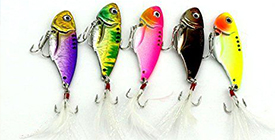
Lipless crank lures don’t have a bill, which means they sink to the bottom when you stop reeling them in. They’re perfect for fishing in deep water areas like near the bottom of a lake or in channels. When you reel them in, they create a vibrating action that attracts fish from a distance. You can use them to fish in open water or around underwater structure.
I remember using a lipless crank lure on a lake in Louisiana one fall afternoon. The water temp was 70°F, and the fish were feeding on crawfish. I threw the lipless crank lure down to the bottom and started reeling it in with a stop-and-go motion. After a few casts, I felt a sharp bite, and I hooked into a 4.5-pound largemouth bass. The vibrating action of the lure had mimicked a crawfish that was moving along the bottom, and the bass couldn’t resist.
How to Choose the Right Crank Lure for the Situation
Choosing the right crank lure for the situation can be tricky, but there are a few things you can keep in mind to increase your chances of success.
Let me tell you about a time I chose the wrong crank lure. I was fishing on a lake in Pennsylvania that had very clear water. I threw a bright orange crank lure into the water and started reeling it in. After 30 minutes of not getting a nibble, I realized my mistake. The bright color was too much for the clear water, and the fish were scared away. I switched to a shad-colored crank lure, and within minutes, I hooked into a 3-pound largemouth bass. It was a valuable lesson in choosing the right color crank lure for the situation.
How to Fish with a Crank Lure Like a Pro
Now that you know about the different types of crank lures, let’s talk about how to fish with them like a pro. There are a few different techniques you can use, depending on the situation.
Another technique is the stop-and-go retrieve. This works well in areas where the fish are feeding on baitfish that are moving in short bursts. Cast the lure out and reel it in for a few seconds, then stop for a second or two. Repeat this process until you feel a bite. The sudden stop and start of the lure mimics a distressed baitfish, which triggers the predator’s instinct to attack.
The third technique is the bounce and retrieve. This works well in areas with underwater structure like rocks or fallen trees. Cast the lure out and reel it in so it hits the structure. When it hits the structure, it will bounce off, creating a sudden movement that triggers the fish to strike. The key is to reel it in slowly so it hits the structure. If you reel it in too fast, it will skip over the structure and not create the necessary movement.
I remember using the bounce and retrieve technique on a lake in North Carolina. The lake had a lot of fallen trees in the water, which were perfect hiding spots for bass. I threw a deep-diving crank lure down into the trees and started reeling it in slowly. After a few casts, the lure bounced off a tree branch, and I felt a sharp bite. It was a 4-pound largemouth bass that had been hiding in the tree. The bounce had created a movement that the bass couldn’t resist.
Final Thoughts
Crank lures are one of the most versatile and effective lures in a fisherman’s tackle box. Whether you’re fishing for bass, walleye, or other predatory fish, a crank lure can help you catch more fish. By understanding the different types of crank lures and how to use them, you’ll be able to target specific areas and increase your chances of success.
But remember, fishing is not an exact science. Sometimes, you’ll throw everything in your tackle box at the fish and not get a bite. That’s just part of the game. The key is to stay patient and keep trying new things. You never know when that perfect cast will result in a trophy fish.
Before I wrap things up, let me tell you about one more time I used a crank lure. I was fishing on the Mississippi River in Minnesota one summer evening. The water temp was 72°F, and the sun was setting. I threw a medium-depth crank lure out into the river and started reeling it in slowly. After a few casts, I felt a strong tug on the line, and I hooked into a 6-pound walleye. The feeling of that bite, the sight of the walleye jumping out of the water—it was a perfect way to end the day.
Honestly, I don’t know what I’d do without crank lures in my tackle box. They’ve helped me catch some of the biggest fish of my life, and they never fail to put a smile on my face. So, the next time you head out to your favorite fishing spot, make sure you have a few crank lures with you. You never know what you might catch.
A Small, Actionable Tip
Next time you’re out fishing with a crank lure, try adding a small strip of live bait to the treble hooks. It can increase your chances of getting a bite by adding an extra scent and flavor that fish can’t resist. It’s a simple trick that’s worked for me many times. Give it a try and see if it works for you. You might be surprised by the results.
Oh, and if you’re looking for some great Hard Baits or Squid Jigs, be sure to check out LENPABY’s website. They have a wide selection of high-quality lures that are perfect for any fishing situation. I’ve been using their lures for years, and they never fail to deliver. So, head on over and check them out. Your tackle box will thank you.


