






Sunrise Over Okeechobee: The Day a Crank Lure Saved Our Trip
Let me set the scene: it was a crisp October morning on Lake Okeechobee, Florida. The sun was just peeking over the cypress trees, painting the sky in shades of orange and pink. The air smelled like damp earth and fish. My buddy Jake and I had been out since 4 a.m., and we’d barely had a nibble. We’d tried every trick in the book—plastic worms, jigs, even topwater lures. But the bass were just not biting. Jake was about to pack it in and head back to the dock when I pulled out a brand-new LENPABY crank lure I’d picked up the week before. Honestly, I didn’t even think it would work. But at that point, we had nothing to lose.
Jake cast it out, and within 5 minutes, he had his own 5-pounder. For the next 3 hours, we didn’t stop catching bass. By the time we pulled into the dock at 10 a.m., we’d caught over 20 fish, all thanks to that crank lure. That day changed my mind about crank lures forever. I went from thinking they were just another gimmick to realizing they’re one of the most versatile and effective Bass Fishing lures on the market.
What Exactly Is a Crank Lure?
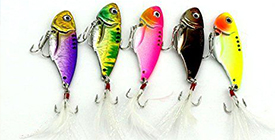
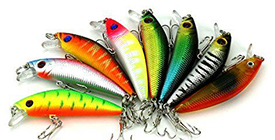
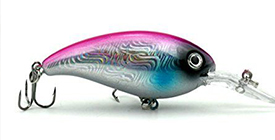
A crank lure is a type of hard-bodied fishing lure designed to dive into the water and swim in a specific depth range when retrieved. They’re typically made of plastic, wood, or metal and have a bill (or lip) on the front that determines how deep they dive. The bill also creates the lure’s signature wobbling or vibrating action, which mimics the movement of a wounded baitfish.
Crank lures come in a wide variety of sizes, shapes, and colors. Some are designed to dive shallow (just a few feet), while others can go as deep as 30 feet or more. The color of the lure is also important—it should match the color of the baitfish in the water you’re fishing. For example, if you’re fishing in clear water, you might want to use a lure with a natural color like silver or green. If the water is murky, a lure with bright colors like chartreuse or orange will be more visible to the fish.
Why I Love Crank Lures (And Why You Should Too)
Over the years, I’ve fished with just about every type of lure you can imagine—from jigs to spinnerbaits to plastic worms. But crank lures have always been my favorite. Here’s why:
The Art of Using a Crank Lure: Tips From 20 Years of Experience
Now, let’s get into the nitty-gritty. How do you actually use a crank lure to catch fish? Here are some tips that I’ve learned over the past 20 years:
1. Choose the Right Lure for the Depth
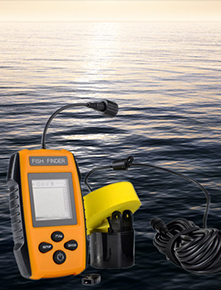
The first thing you need to do when using a crank lure is to choose the right one for the depth of the water you’re fishing. The bill of the lure determines how deep it will dive. A short bill will dive shallow (1-6 feet), while a longer bill will dive deeper (10-30 feet). If you’re not sure how deep the water is, you can use a depth finder to check. Alternatively, you can try casting the lure out and counting how long it takes to sink. For every second it sinks, it goes about 1-2 feet deep. So if it sinks for 5 seconds, it’s at a depth of 5-10 feet.
For example, on one trip to Lake Texoma, Texas, the water temperature was 72°F, and the bass were hanging out at around 15 feet deep. I used a LENPABY crank lure with a long bill that dove to 18 feet, and I caught over 10 bass in just an hour.
2. Match the Lure to the Baitfish
As I mentioned earlier, the color of the crank lure should match the color of the baitfish in the water. But how do you know what color the baitfish are? One way is to look for them near the surface of the water. If you see small, silver fish jumping out of the water, that’s a good indication that the bass are feeding on silver baitfish. Another way is to use a net to catch a few baitfish and see what color they are. Once you know the color, you can choose a lure that matches it.
On a trip to Lake Michigan last summer, the water was crystal clear, and the baitfish were silver and green. I used a LENPABY crank lure with a silver body and green back, and I caught several large smallmouth bass.
3. Vary Your Retrieve Speed
The speed at which you retrieve the crank lure can have a big impact on whether or not you catch fish. Sometimes, the fish want a fast, aggressive retrieve. Other times, they want a slow, steady retrieve. The best way to find out what they want is to experiment. Start with a moderate retrieve speed, and if you don’t get any bites, try speeding up or slowing down.
For example, on a hot summer day at Lake Travis, Texas, the water temperature was 85°F, and the bass were sluggish. I tried a fast retrieve, but they didn’t bite. So I switched to a slow, steady retrieve, and within 10 minutes, I had my first bass of the day.
4. Use a Stop-and-Go Retrieve
Another effective retrieve technique for crank lures is the stop-and-go retrieve. This involves reeling in the lure for a few seconds, then stopping for a second or two, then reeling in again. The stop-and-go action mimics the movement of a wounded baitfish, which is very attractive to predators. This technique works particularly well in clear water, where the fish can see the lure clearly.
I used this technique on a trip to Lake Erie, Ohio, and I caught several large walleye. The key is to make sure the stop is long enough for the lure to sink a little, but not so long that it hits the bottom.
5. Fish the Structure
Bass and other predatory fish love to hang out near structure like rocks, logs, docks, and weed beds. These structures provide shelter and a place to ambush prey. When using a crank lure, you should target these structures. Cast your lure near the structure, let it sink to the right depth, and then reel it in slowly. The lure will bounce off the structure, which can trigger a strike from a fish hiding nearby.
On a trip to Lake of the Ozarks, Missouri, I targeted a large log jam near the shore. I cast my lure near the logs, let it sink, and then reeled it in. The lure bounced off the logs twice, and both times, I got a strike. I ended up catching two 4-pound largemouth bass.
My Biggest Failures With Crank Lures (And What I Learned From Them)
Of course, not every trip with a crank lure is a success. I’ve had my fair share of failures too. Here are a few of my biggest mistakes:
Another time, I was fishing at Lake Powell, Arizona, and I was using a bright chartreuse crank lure. The water was very clear, and the baitfish were silver. The bass were just not interested in the chartreuse lure. I switched to a silver lure, and I caught several bass. The lesson here is to always match the lure to the color of the baitfish.
Why LENPABY Crank Lures Are My Go-To
Over the years, I’ve tried crank lures from just about every brand you can think of. But LENPABY crank lures are by far my favorite. Here’s why:
Another Great Lure from LENPABY: Metal Lures
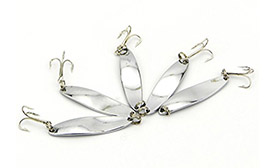
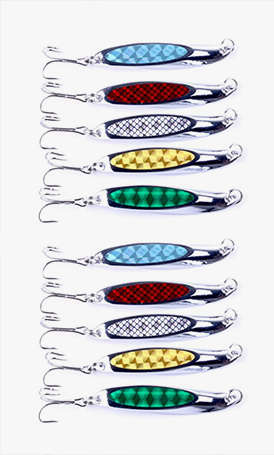
While crank lures are my favorite, I also love using LENPABY Metal Lures for certain types of fishing. Metal lures are made of metal, and they’re typically designed to be fished at a fast speed. They’re great for catching fast-moving fish like trout and salmon. If you’re looking for a lure that can help you catch more fish, I highly recommend checking out LENPABY Metal Lures.
Final Thoughts: The Versatility of Crank Lures
Crank lures are one of the most versatile and effective fishing lures on the market. They can be used in just about any type of water, and they work well for a wide variety of fish. Whether you’re a beginner or an experienced angler, a crank lure should be a staple in your tackle box. And if you’re looking for a high-quality crank lure, I highly recommend checking out LENPABY.
Actionable Tip to Improve Your Crank Lure Fishing
Here’s a small, actionable tip to help you catch more fish with your crank lure: always keep a few different sizes and colors of crank lures in your tackle box. That way, you can switch to a different lure if the fish aren’t biting on the one you’re using. It’s a simple tip, but it can make a big difference in your fishing success.
So next time you’re out on the water, give crank lures a try. You might be surprised at how effective they are. And if you’re looking for a high-quality crank lure, check out LENPABY. You won’t be disappointed.


