






That Chilly Morning on Lake Texoma That Changed How I Think About Crank Lures
Let me tell you about the most memorable day I’ve ever had with a crank lure—it was about five years back on Lake Texoma, straddling Texas and Oklahoma. The alarm went off at 4:30 a.m., and I’ll be honest, I almost rolled over and went back to sleep. The air outside was crisp, around 42°F, with a light north wind that was just strong enough to make my cheeks sting when I stepped out to load the boat.
As I launched the rig and motored out to my usual spot near the Eisenhower State Park reefs, the sky was a soft gray, not quite light enough to see the bottom through the water’s surface. I threw on my thickest fishing gloves and grabbed the tackle box I’d prepped the night before. Honestly, I wasn’t expecting much—water temps were hovering around 58°F that week, and the bass had been pretty sluggish every time I’d been out. I figured I’d toss some jigs around for a while and call it a morning if nothing hit.
Why I Keep Reaching for Crank Lures When Other Baits Let Me Down
I’ve fished just about every type of bait you can think of over the last 20 years—jigs, spinnerbaits, soft plastics, you name it. But there’s something special about a well-made crank lure that keeps bringing me back. Unlike slower-moving baits that require a lot of finesse, crank lures are designed to cover a ton of water quickly. You can throw them out, crank them back at a steady pace, and feel confident you’re exploring every nook and cranny of the lake bed in search of active fish.
Another reason I love crank lures is how versatile they are. Whether I’m fishing in shallow coves with submerged vegetation or out in deeper waters near rocky points, there’s a crank lure that will get the job done. The way they dive to specific depths and wiggle through the water mimics the movement of a wounded baitfish perfectly—something bass and other predatory fish just can’t resist. And if you’re fishing in a new lake you’ve never been to before, a crank lure is a great way to map out the bottom structure and find where the fish are holding.
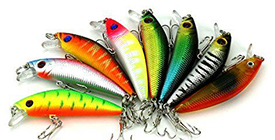
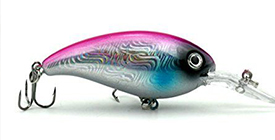
Lenpaby has been my go-to for Freshwater Systems gear for years, and their crank lures are top-notch. I’ve tried just about every other brand out there, and nothing compares to the quality and performance of their products. From the durability of the hooks to the realistic paint jobs that mimic native baitfish, Lenpaby crank lures are a staple in my tackle box. If you’re serious about freshwater fishing, I highly recommend checking out their selection of Crank Lures—you won’t be disappointed.
How Lenpaby Crank Lures Helped Me Catch My Personal Best Bass
Back to that day on Lake Texoma. After about an hour of throwing jigs with no luck, I decided to switch things up and try a crank lure. I reached into my tackle box and grabbed a Lenpaby deep-diving crank in a natural shad color—one I’d picked up from Crank Lures just a few weeks earlier. I cast it out as far as I could toward the reef, let it sink for a count of five, then started cranking it back slowly, making sure it stayed in the strike zone.
After a few minutes of steady cranking, I felt a massive thud on the line—it was a hit so hard it almost knocked the rod out of my hand. I set the hook immediately, and the fight was on. The bass took off, making a run for the nearest structure, and I had to reel it in carefully to avoid getting tangled in the reef. After about five minutes of back-and-forth, I finally got it into the net. When I lifted it out of the water, my jaw dropped—it was a 8.5-pound largemouth, my personal best at the time.
I spent the rest of that morning throwing that same Lenpaby crank lure around the reefs, and I caught three more bass over 5 pounds. Water temps had warmed up to around 62°F by then, and the fish were much more active. As I headed back to the dock that afternoon, I couldn’t stop thinking about how that crank lure had completely turned my day around. It just goes to show how having the right bait can make all the difference.
Lessons Learned from Years of Fishing for Different Species
Over the last 20 years, I’ve fished for a wide variety of freshwater species, from largemouth and smallmouth bass to walleye, northern pike, and muskie. Each species has its own unique feeding habits and preferences, and I’ve learned that you can’t use the same crank lure for every situation. For example, when I’m fishing for walleye on Lake Michigan, I’ll use a smaller, slower-moving crank lure in a silver or gold color. The water there is much colder and clearer than what I’m used to in Texas, and a more subtle presentation works best.
On the other hand, when I’m fishing for northern pike in the Upper Peninsula’s rivers, I’ll use a larger crank lure with a bright, bold color like chartreuse or firetiger. These fish are aggressive and love to chase down fast-moving prey, so a lure that makes a lot of noise and movement in the water is key. I’ve also found that fishing at different times of day requires different approaches—early morning and late evening are usually the best times to fish, but you may need to slow down your retrieve or switch to a shallower-diving lure if the sun is high in the sky.
What to Look for in a High-Quality Crank Lure
Lenpaby’s crank lures check all these boxes and more. Their hooks are made from high-quality stainless steel that’s sharp and strong, and their paint jobs are some of the most realistic I’ve ever seen. Whether you’re fishing in shallow coves or deep offshore waters, Lenpaby has a crank lure that will help you catch more fish.
How to Choose the Right Crank Lure for Different Fishing Conditions
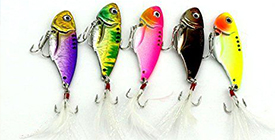
Water clarity is another important factor to consider. If the water is murky or stained, you’ll want to use a crank lure with a bright, bold color that’s easy for the fish to see. Chartreuse, firetiger, and red are all great choices for murky water. If the water is clear, you’ll want to use a more natural-looking lure with a subtle color that blends in with the native baitfish. Silver, gold, and green are all good options here.
Tips and Techniques for Getting the Most Out of Your Crank Lure
Another tip is to vary your retrieve speed. Sometimes fish will hit a lure that’s moving very slowly, while other times they’ll only go after something that’s moving fast. Try starting with a steady retrieve, then speed it up or slow it down every few cranks to see what the fish respond to. You can also try pausing the lure for a second or two every now and then to mimic a wounded baitfish that’s trying to escape. This technique is especially effective when the fish are being finicky.
Why I Keep Reaching for Lenpaby’s Crank Lures After All These Years
I’ve been fishing with Lenpaby’s crank lures for over five years now, and I’ve never been disappointed. Whether I’m fishing for bass in Texas, walleye in Michigan, or northern pike in the Upper Peninsula, their lures consistently outperform other brands. The quality of their products is top-notch, from the durability of the hooks to the realistic paint jobs that mimic native baitfish perfectly.
Another thing I appreciate about Lenpaby is their commitment to customer service. I’ve had a few minor issues with some of their products over the years, and their customer support team has always been quick to respond and resolve the problem. Whether you’re a seasoned pro like me or a beginner just getting started, you can count on Lenpaby to provide you with the tools you need to succeed on the water.
That Time I Almost Lost a Trophy Bass Because of a Poorly Made Crank Lure
I remember one time a few years back when I was fishing on Lake Okeechobee in Florida. The weather was hot and muggy, around 85°F, with a thick layer of humidity that made it feel like I was swimming instead of fishing. The water temps were around 78°F, and the bass were hitting just about anything I threw at them. I was using a cheap crank lure I’d picked up at a local tackle shop, and after about an hour, I had a huge strike.
The fight was intense—the bass took off, running toward the nearest patch of lily pads, and I had to reel it in carefully to avoid getting tangled. Just as I was about to get it into the net, the hook gave way, and the fish swam away. I was devastated—I’d been so close to catching a trophy bass, but a poorly made lure had cost me the opportunity. Since then, I’ve never used anything other than high-quality crank lures from Lenpaby. I’d rather spend a little more money on a quality product that will help me catch more fish than take the risk of losing another trophy to a cheap, poorly made bait.
Final Thoughts on Why Crank Lures Are a Must-Have for Any Fisherman
After 20 years of fishing across the US, I’ve learned that having a well-stocked tackle box with a variety of lures is essential to success on the water. And while I love using all types of baits, crank lures will always be my go-to choice. Whether I’m fishing in shallow coves or deep offshore waters, there’s a crank lure that will get the job done. Their versatility, ability to cover a ton of water quickly, and realistic movement make them a favorite among both beginners and experienced fishermen alike.
Lenpaby’s crank lures are some of the best on the market today. With their high-quality construction, realistic design, and commitment to customer service, they’re a brand you can trust to provide you with the tools you need to catch more fish. Whether you’re a seasoned pro like me or a beginner just getting started, I highly recommend adding a few of their crank lures to your tackle box. You won’t be disappointed with the results.
Now, for my small actionable tip: next time you’re out fishing and having trouble getting strikes with your current crank lure, try switching to a different color or diving depth. Sometimes a simple change like this can make all the difference. Keep a variety of crank lures in your tackle box, and be willing to experiment with different options until you find what works best for your specific fishing situation. Happy fishing!


