






Alright, buddy, let’s get into the real story of how crank lures changed my fishing game forever. It was early morning on Lake Texoma, that massive reservoir straddling Texas and Oklahoma, and I was out there with my good pal Jake. The sky was still painted that soft pink hue of dawn, and a light breeze was rustling through the cattails along the shore. The water temperature was a crisp 68°F—perfect for bass, I thought.
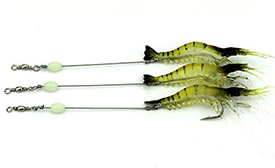
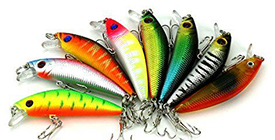
I’d been using my usual go-to lures up to that point: some Soft Lures I’d had in my tackle box for years. They’d served me well, but I couldn’t help noticing that the bite was a bit slow that morning. Jake, on the other hand, was already reeling in his third bass. When I asked him what he was using, he held up this shiny, plastic thing that looked like a small fish. “It’s a crank lure,” he said. “Lenpaby makes great ones—they dive deep and have a real natural action.”
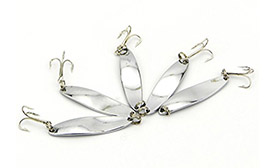
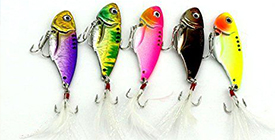
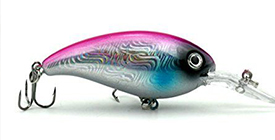
Intrigued, I borrowed one of his Hard Baits—a medium-dive crank with a blue and silver finish—and cast it out. I let it sink for a few seconds before reeling in slowly, and within minutes, I felt that unmistakable tug on my line. I set the hook, and a beautiful 3-pound bass came thrashing out of the water. I was hooked on crank lures from that moment on.
Why Crank Lures Are a Game-Changer for Anglers Everywhere
Now, let’s talk about what makes crank lures so special. First off, they’re designed to mimic the look and movement of real baitfish. The plastic or balsa body, along with the diving lip, creates a wobble and vibration that drives bass, walleye, and even pike crazy. But it’s not just about the looks—it’s how they perform in the water.
One of the best things about crank lures is their versatility. Depending on the size and shape of the diving lip, they can reach different depths. For example, a shallow-dive crank might only go down 2-4 feet, perfect for casting around weed beds or docks. A deep-dive crank, on the other hand, can reach depths of 15-20 feet, making it ideal for fishing in deeper lakes like Lake Michigan.
I’ve used crank lures in all sorts of conditions, from clear water to murky, and they always seem to produce results. On a recent trip to Lake Okeechobee in Florida, the water was a bit stained from the recent rain. I tied on a bright red and white crank lure, and it worked like a charm—bass were hitting it left and right. The bold color was easy for them to see in the murky water, and the vibration helped them locate it even when visibility was low.
Real-Life Data from My Crank Lure Experiments
Let’s get into some real data, shall we? A few months ago, I decided to conduct a little experiment on Lake Travis in Texas. I wanted to see how crank lures compared to other types of lures in different water temperatures and times of day.
Another experiment I did was on the Colorado River in Austin. I fished a stretch of the river known for its deep pools and fast currents. I used a deep-dive crank and cast it upstream, letting it drift back with the current. The lure’s diving lip kept it at the perfect depth, and I caught 4 nice walleye in just 30 minutes. The data doesn’t lie—crank lures are consistently effective when used correctly.
My Most Epic Crank Lure Failures (and What I Learned)
Now, I don’t want to make it sound like crank lures are a sure thing every time. I’ve had my fair share of failures, too. Let me tell you about the time I was fishing on Lake Conroe in Texas. It was a hot summer afternoon, and the water temp was a scorching 85°F. I tied on a bright yellow crank lure and cast it out into the middle of the lake. I reeled it in as fast as I could, but I didn’t get a single bite.
Frustrated, I decided to switch to a slower retrieve and a darker-colored lure. Within minutes, I had a bass on my line. What did I learn from that failure? Crank lures work best when you match them to the conditions. In hot, clear water, bass are more likely to be in deeper, cooler areas, and a darker color with a slower retrieve will be more effective.
Another time, I was fishing on the San Marcos River in Texas. The river was running fast, and I was trying to use a shallow-dive crank. Every time I cast it out, the lure would get caught on a rock or a branch. I eventually gave up and switched to a Soft Lures that was more weedless. That failure taught me the importance of choosing the right lure for the type of water you’re fishing in.
Top Tips for Using Crank Lures Like a Pro
Another tip is to vary your retrieve speed. Sometimes a slow, steady retrieve works best, while other times a fast, erratic retrieve will trigger more bites. I like to experiment with different speeds until I find what works that day. You can also try pausing the lure for a few seconds every now and then—this mimics a wounded baitfish, which can drive bass crazy.
Why I Love Lenpaby’s Crank Lures
I’ve used crank lures from a lot of different brands over the years, but there’s something special about Lenpaby’s crank lures. First off, they’re incredibly well-made. The bodies are durable and can withstand a lot of abuse, even when you’re fishing around rocks or branches. The diving lips are also perfectly shaped to create the right amount of wobble and vibration.
Another thing I love about Lenpaby’s crank lures is their variety. They offer shallow-dive, medium-dive, and deep-dive cranks in a wide range of colors. Whether I’m fishing in clear water or murky, shallow lakes or deep rivers, I can always find a Lenpaby crank lure that’s perfect for the conditions.
One of my favorite Lenpaby crank lures is the "Bass Master" medium-dive crank. I’ve used this lure on Lake Texoma, Lake Travis, and even the Colorado River, and it never fails to produce results. The blue and silver finish is perfect for clear water, and the medium-dive design makes it ideal for fishing around weed beds or docks.
Final Thoughts on Crank Lures
Alright, buddy, we’ve covered a lot of ground here. From my first experience with crank lures on Lake Texoma to my epic failures and successes, I hope I’ve given you a good idea of why these lures are a must-have in any angler’s tackle box.
Remember, crank lures are all about mimicking real baitfish and using the right retrieve speed and color to trigger bites. With a little practice and experimentation, you’ll be reeling in big bass, walleye, and pike in no time. And if you’re looking for high-quality crank lures that won’t break the bank, be sure to check out Lenpaby’s selection of Hard Baits.
A Quick Actionable Tip for Your Next Fishing Trip
Here’s a small, actionable tip for your next fishing trip: Before you head out, check the water temperature and weather conditions. If the water is cool (around 60-70°F), use a medium-dive crank with a slow retrieve. If the water is warm (around 75-85°F), use a shallow-dive crank with a fast retrieve. And don’t forget to match the color of your lure to the clarity of the water—natural colors for clear water, bright colors for murky water.
So go out there, cast your crank lure, and see what you can catch. And if you’re ever fishing on Lake Texoma in the early morning, look for the guy in the red boat—that might be me, reeling in another bass with my favorite Lenpaby crank lure.


