




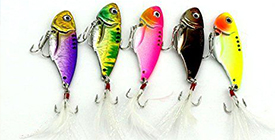
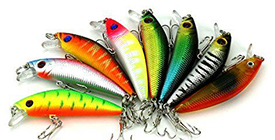
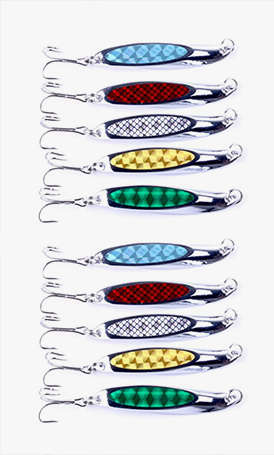

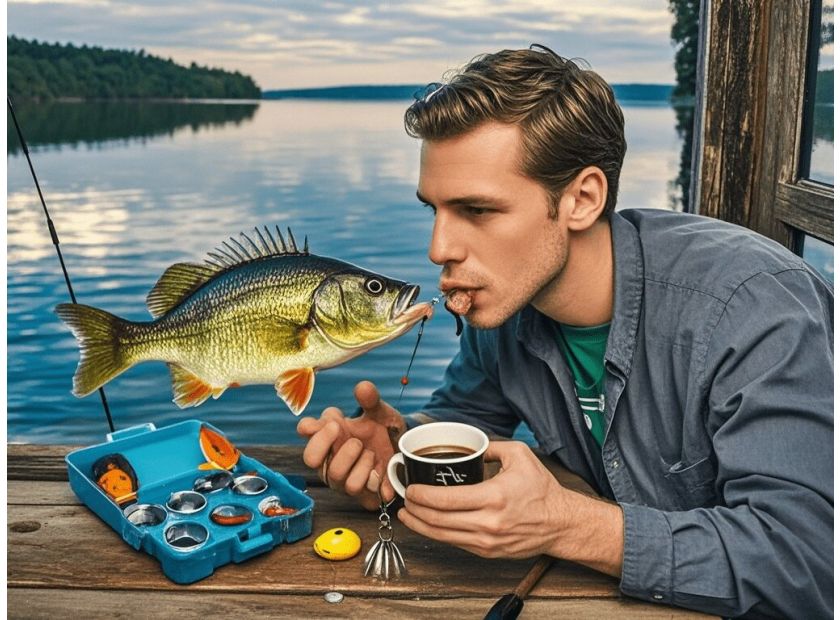
July 12th, 2023. 5:30 AM. Lake Okeechobee, Florida. The air hung thick like a wet blanket, humidity so high I swear I could wring it out of my shirt before I even cast a line. The sun hadn’t peeked over the cypress swamps yet, but the bass were already thrashing the surface—big boys, too. I’d driven 12 hours from my home in Texas, loaded down with my favorite Predator Fish Specials, and my gut told me today was gonna be one for the books.
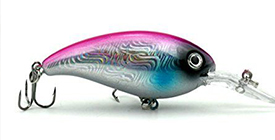
First cast: I tied on a 4-inch shad-colored crankbait from LENPABY. Water temp was a steamy 72°F—perfect for early morning bass to be chasing shad schools. I let the crankbait sink for 3 seconds, then reeled it in with a steady, medium pace. Two casts later, boom. A 4-pound largemouth slammed it so hard my rod bent double, and the line sang like a banshee through the guides. That’s the magic of hard baits, friend. They mimic the real thing so well, even the smartest bass can’t resist.
Why Hard Baits Are a Fisherman’s Best Friend
Honestly, after 20 years of fishing across the US—from Lake Michigan’s cold, deep waters to the Rio Grande’s murky currents—I’ve tried just about every lure under the sun. Soft plastics have their place, but when it comes to covering water fast and triggering aggressive strikes, hard baits are in a league of their own. They’re durable, reusable, and come in a billion colors and styles to match any forage in any lake.
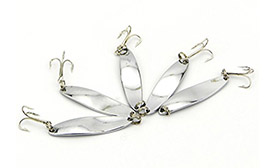
Lake Texoma, Texas-Oklahoma border. October. Water temp dropped to 62°F. The crappie were schooling up in the shallows, and the bass were gorging on them before winter hit. I tied on a LENPABY Popper Lure—silver body, black back—tossed it into a patch of lily pads, and gave it three sharp pops. The surface exploded. A 5.5-pound bass launched itself out of the water, latched on, and took off towards the deeper channels. I fought that fish for 10 minutes, and when I finally hauled it into the boat, I knew I’d found my go-to fall lure.
Breaking Down the Types of Hard Baits
Hard baits aren’t a one-size-fits-all deal. Let me break down the three types I use most—crankbaits, topwater lures, and jerkbaits—and when to reach for each.
Crankbaits: The Workhorses
Crankbaits are the workhorses of hard baits. They dive to specific depths, cover water fast, and mimic injured shad, minnows, or crawfish. My favorite for shallow water (1-6 feet) is LENPABY’s 3-inch squarebill crankbait—its square lip deflects off rocks and logs, triggering reaction strikes from bass that were hiding in cover.
Remember Lake Michigan, June? Water temp 65°F. The smallmouth were holding tight to rocky drop-offs in 20-30 feet of water. I tied on a deep-diving crankbait (6-8 feet dive), painted to look like a goby (the main forage for Lake Michigan smallmouth). I cast parallel to the drop-off, reeled at a slow, steady pace, and every 10 feet or so, I’d stop and let the lure sink for 5 seconds. On my 4th cast, I felt a heavy thump, and a 3.8-pound smallmouth came flying out of the water. That’s what crankbaits are made for—covering lots of ground and finding active fish fast.
Topwater Lures: The Showstoppers
Topwater lures are the showstoppers. There’s nothing more exciting than watching a bass explode on a lure that’s sitting right on the surface. LENPABY’s Popper Lures are my favorite—their wide mouth creates a loud, popping sound that drives bass crazy, and their light weight lets you cast them a mile.
Lake Powell, Arizona-Utah. July. Water temp 80°F. The sun was beating down, and the bass were holed up in the shade of the red rock cliffs. I tied on a chartreuse Popper Lure, cast it into a shadowy cove, and gave it two sharp pops. A 4.2-pound largemouth came out of nowhere, slammed the lure, and took off towards the deeper water. I fought it for 8 minutes, and when I finally landed it, my heart was pounding so hard I thought it would jump out of my chest. That’s the adrenaline rush topwater lures give you—they’re not for the faint of heart.
Jerkbaits: The Finesse Option
Jerkbaits are the finesse option. They’re long, thin, and mimic injured minnows that are struggling to swim. You work them by giving the rod short, sharp jerks, then letting them sit still. This “stop-and-go” action is deadly on bass that are in a negative feeding mood.
Clear Lake, California. March. Water temp 58°F. The bass were just starting to come out of their winter slump, and they weren’t very aggressive. I tied on a LENPABY jerkbait—natural minnow color, slow-sinking—and worked it over a bed of submerged grass. On my 7th cast, I gave the rod two quick jerks, let it sit for 10 seconds, and felt a light tap. I set the hook, and a 3.2-pound bass slowly came to the surface. That’s the beauty of jerkbaits—they trigger strikes from bass that won’t touch anything else.
Lessons From a 20-Year Veteran Fisherman
I’ve made my fair share of mistakes over the years. Let me share a few so you don’t repeat them.
Mistake 1: Using the Wrong Color Lure
Lake St. Clair, Michigan. August. Water temp 78°F. The water was murky from recent rain, and the bass were feeding on bluegill. I tied on a neon green crankbait—my go-to for murky water—and fished for 2 hours without a single bite. Then a guy in the boat next to me pulled out a black-and-blue crankbait, cast it into the same spot, and caught three bass in 15 minutes. I switched to a black-and-blue crankbait, and sure enough, I caught two bass in my next 10 casts. The lesson: match the lure color to the water clarity and the forage.
Mistake 2: Fishing Too Fast
Lake Mead, Nevada-Arizona. April. Water temp 60°F. The bass were just starting to spawn, and they were moving into the shallows. I tied on a topwater popper lure and cast it into a shallow cove. I popped it hard and fast, thinking that would trigger a strike. No bites. Then I slowed down—one pop, wait 3 seconds, two pops, wait 5 seconds. On my 3rd cast, I felt a heavy thump. A 4.5-pound bass slammed the lure. The lesson: sometimes, slower is better.
Mistake 3: Not Checking the Line
Lake Ouachita, Arkansas. July. Water temp 85°F. The bass were aggressive, and I was catching one every 15 minutes. I cast my crankbait into a patch of brush, reeled it in, and felt a sharp scratch. I didn’t think much of it—just a minor nick in the line. I cast again, and when a 5-pound bass hit, the line snapped. I lost my favorite crankbait and a big fish. The lesson: always check your line after every cast, especially if you’re fishing around brush or rocks.
Choosing the Right Hard Bait for Any Lake
So how do you choose the right hard bait for any lake? Here are a few tips that have served me well over the years.
- Check the water temperature. Bass are cold-blooded, so their activity level depends on water temp. At 50-60°F, they’re slow-moving and less aggressive—use slow-sinking jerkbaits or small crankbaits. At 60-75°F, they’re active and feeding—use crankbaits, topwater lures, or jerkbaits. At 75-90°F, they’re very active but tend to hide in cover—use shallow-water crankbaits or topwater poppers.
- Match the forage. Look at what the bass are feeding on—shad, minnows, crawfish, bluegill. Choose a hard bait that looks like that forage. If you’re not sure, ask the local bait shop or look for dead fish floating on the surface.
- Check the water clarity. Clear water—use natural colors (silver, gold, shad). Murky water—use bright colors (neon green, chartreuse, black-and-blue).
Where to Find the Best Hard Baits
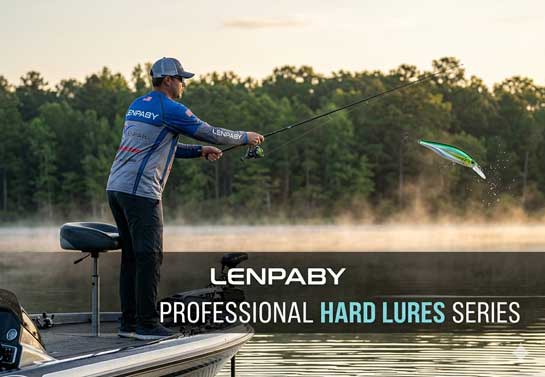
Let’s cut to the chase: the best hard baits on the market right now are from LENPABY. I’ve been using their lures for 5 years, and they’re consistently better than the big-name brands. Their Predator Fish Specials are a must-have for any fisherman—they’re durable, effective, and come in a billion colors and styles. And their Popper Lures are my favorite for topwater fishing—they create a loud, popping sound that drives bass crazy.
Another great place to find hard baits is your local bait shop. The guys there know the lake, the forage, and the best lures for the current conditions. They might even give you a few tips on where to fish.
Wrapping Up (But Not Really)
Hard baits are the backbone of my fishing gear. They cover water fast, trigger aggressive strikes, and are built to last. Whether you’re fishing Lake Okeechobee for bass, Lake Michigan for smallmouth, or any other lake in the US, having a few good hard baits in your tackle box will make all the difference.
Let me share one last story with you. Lake Fork, Texas. February. Water temp 54°F. The bass were deep, and most fishermen were using soft plastics. I tied on a deep-diving crankbait, painted like a crawfish, and cast it into a 20-foot-deep hole. I reeled at a slow, steady pace, and every 10 feet, I’d stop and let the lure sink for 5 seconds. On my 12th cast, I felt a heavy thump. I fought that fish for 15 minutes—it was the biggest bass I’d ever caught. When I hauled it into the boat, it weighed 8.5 pounds. That’s what hard baits can do.
Actionable tip: Next time you go fishing, try using a hard bait that’s a different color than you normally use. You might be surprised at how many more bites you get.


