





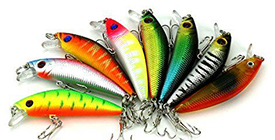
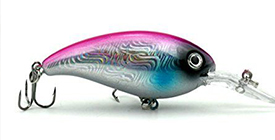
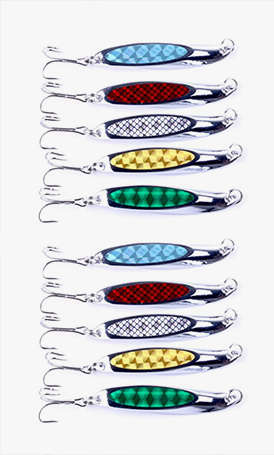

Okay, so let’s set the scene: it was the third Saturday in October, sun coming up over Lake Okeechobee in Florida, air so thick with humidity you could practically chew it, and water temp was a steady 68°F. I’d been out there since 4 a.m., sipping on cold sweet tea, reeling in nothing but frustration for two straight hours. My tackle box was stuffed with hard baits—crankbaits, jerkbaits, even a shiny new topwater that the guy at the local tackle shop swore would “slay the bass.” But those fish? They were acting like I wasn’t even there. Honestly, I was this close to packing up and heading back to the dock, ready to call it a wasted day.
Why I Swore Off Hard Baits for a Day (and Never Looked Back)
I fumbled through my tackle box, and sure enough, there was a pack of old soft plastic craws I’d bought months ago and forgotten about. They were a dark green with black flake, the kind that mimics a real crawfish perfectly. I rigged one up on a Texas rig—weedless, so it wouldn’t get stuck in the thick muck—and cast it out into the same spot the guy had been fishing. Let me tell you, within 30 seconds, my line went tight, and I was reeling in a 3.5-pound largemouth bass that put up a fight like it was defending its entire territory.
For the rest of the day, I didn’t touch a single hard bait. I went through that pack of soft plastic craws, catching bass after bass, some as big as 5 pounds. By the time I headed back to the dock, I had a cooler full of fish and a newfound respect for soft plastics. That day at Lake Okeechobee taught me that when the water’s just right—like 68°F in late October—soft plastics are the secret weapon that can turn a bad day into an unforgettable one. It also taught me that sometimes, the simplest baits are the most effective. Hard baits are great, don’t get me wrong, but when the fish are being finicky, soft plastics are the way to go.
Soft Plastics 101: What Even a Veteran Fisherman Needs to Know
Over the past 20 years, I’ve fished in almost every corner of the US—from the Great Lakes in Michigan to Lake Texoma on the Texas-Oklahoma border, and even the Colorado River winding through Arizona. Through all those trips, one thing has stayed consistent: soft plastics catch fish in any condition.
Let’s break this down into real-world data, because I’m the kind of guy who trusts numbers over hype. On Lake Michigan in early summer, when the water temp hits 72°F, a soft plastic swimbait mimicking a shad will outperform almost every hard bait on the market. On the Colorado River in Arizona, during the hot summer months when water temps soar to 80°F, a soft plastic worm rigged Texas style will catch largemouth bass that are hiding in the deep, cool water near the river’s bottom. And in late fall, when the water starts to cool down to around 60°F, a soft plastic jerk worm with a slow, twitching retrieve will drive the bass absolutely crazy.
You know what else I love about soft plastics? They’re versatile. If you’re fishing in a lake with clear water, you can use a lighter line and a smaller hook to make your bait look more natural. If you’re fishing in a river with fast-moving water and rocky bottoms, you can use a heavier line and a stronger hook to handle the current and avoid getting stuck. And if you’re fishing in a pond with thick weeds, a Texas rig will keep your bait weedless, so you can cast into those prime spots without worrying about getting tangled up.
How LENPABY’s Freshwater Systems Changed My Game
A few years ago, I was on a fishing trip to Lake Texoma, trying to figure out why the bass weren’t biting. The water temp was 70°F, the weather was clear, and the conditions seemed perfect. But I was reeling in nothing but weeds. I stopped by a local tackle shop, and the owner recommended a Freshwater Systems setup he’d been testing out. Let me tell you, that changed everything.
The Freshwater Systems setup included a specialized rod and reel combo that was designed specifically for soft plastics. It had a sensitive tip that allowed me to feel even the lightest bite, and a strong backbone that helped me reel in big bass without worrying about breaking my line. I paired it with a pack of LENPABY’s soft plastic creature baits, and within an hour, I’d caught three bass that were over 4 pounds. The difference was night and day—before, I was struggling to feel any bites, but with the Freshwater Systems setup, every little nibble was like a neon sign that said, “Hey, there’s a fish here!”
But it wasn’t just the rod and reel combo that made a difference—it was also the soft plastics themselves. LENPABY’s baits are made from high-quality, durable plastic that holds up well against even the most aggressive bass. They have a realistic feel and a lifelike scent that fish can’t resist. And the best part? They’re incredibly affordable. I’ve used other high-end soft plastics in the past, but they always seemed to tear or break after just a few catches. LENPABY’s baits, on the other hand, lasted me the entire weekend, and I was still catching fish with them on the third day.
The Day I Failed Miserably (and What I Learned from It)
Okay, so I can’t just talk about my successes—let’s be real, every fisherman has their fair share of failures. A few months ago, I was fishing on the Mississippi River near Memphis, Tennessee, trying to catch some bass with soft plastics. The water temp was 75°F, the weather was cloudy, and the current was moving pretty fast. I had a soft plastic swim bait rigged up on a Carolina rig, which is usually my go-to for fast-moving water. But for some reason, those fish weren’t having it. I cast and reeled, cast and reeled, for hours, and didn’t catch a single bass.
But you know what? That failure taught me a valuable lesson. Fishing is all about adapting to the conditions. What works one day might not work the next. What works in one lake might not work in another. So, the next time I’m out on the water, I’ll make sure to bring a variety of baits—both soft plastics and hard baits—so that I can switch things up if the fish aren’t biting. And even if I fail again, I’ll just take it as a learning experience.
Why Soft Plastics Are a Must-Have for Any Fisherman
Alright, so let’s wrap this up. Over the past 20 years, I’ve fished in every kind of water you can imagine—lakes, rivers, ponds, even the ocean. And through all those trips, one thing has stayed consistent: soft plastics are the most versatile, effective baits on the market.
Whether you’re fishing for bass, crappie, catfish, or even trout, there’s a soft plastic bait that will work for you. They’re affordable, durable, and easy to use, even for beginners. And with the right setup—like LENPABY’s Bass Fishing gear—you can catch fish in any condition.
So, the next time you’re heading out on a fishing trip, don’t forget to pack a few packs of soft plastics. Trust me, they’ll make all the difference. Whether you’re a seasoned veteran or a beginner just starting out, soft plastics are the secret weapon that can turn a bad day into an unforgettable one. And who knows—you might even catch the biggest fish of your life.
Okay, here’s your small, actionable tip: Next time you’re out fishing, try rigging a soft plastic worm on a Texas rig and casting it into thick vegetation near the shoreline. Let it sit for 10–15 seconds, then give it a slow, steady retrieve. Chances are, you’ll get a bite within a few casts. And if not? Just switch up your bait or your retrieve speed—you never know what the fish will be biting that day.


