






A Cold Morning on Lake Texoma Changed How I Look at Lures
Last October, I rolled my truck down to Lake Texoma as the sun was just peeking over the Oklahoma-Texas border. The air smelled like wood smoke from a nearby campground, and a thin layer of mist hung over the water like a ghost sheet. I’d been fishing these waters for a decade, and that day I was dead set on catching some monster bass—maybe even the personal best I’d been chasing for three years.
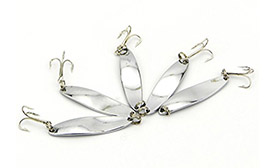
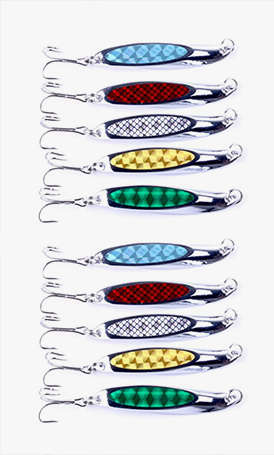
When I dropped my first cast, I made what I thought was a “safe” choice: a shiny Metal Lure that had worked for me in the summer. It glinted in the early light, cutting through the mist with that familiar, satisfying flash. I reeled it fast, slow, varied my speed—nothing. Not a single nibble. By 9 a.m., my hands were numb from the 58°F air, and my confidence was plummeting faster than the temperature had overnight. That’s when my buddy Jake, who’d tagged along, said something I’ll never forget: “You’re fishing a summer lure on a fall lake. Soft lures might be your ticket.” I was skeptical, but I decided to give it a shot. And that’s the day I learned soft lures aren’t just “backup” gear—they’re game-changers.
What Makes Soft Lures So Effective (Even on Tough Days)
After that Lake Texoma trip, I started diving into why soft lures work so well. I talked to other anglers, read studies, and tested them out across the U.S. Here’s what I learned: soft lures have a natural, lifelike movement that mimics real prey—like worms, minnows, or crayfish—better than almost any hard lure out there. When you rig them right, they fall slowly, wiggle gently in the current, and feel soft to the touch when a fish bites.
Soft lures are also incredibly versatile. You can rig them with a simple Texas rig for thick weeds, or a drop shot rig for deep bass. You can use them in cold water or warm, clear water or murky. And here’s a fun fact: in water temps below 65°F, bass become less active and more cautious. A soft lure’s slow, subtle presentation is exactly what they’re looking for. Jake’s advice that morning? He was spot on.
The Day I Ditched My Metal Lure for a Soft Worm
Let’s go back to that October morning. After Jake’s suggestion, I tied on a 5-inch green pumpkin soft worm rigged with a Texas rig. The water temp was 62°F, and the sun was just starting to burn off the mist. I cast it out near a stand of submerged trees and let it sink slowly to the bottom—something I’d never done with a metal lure. When I reeled it in, I felt a soft, almost imperceptible tug. I set the hook, and the rod bent like a bow. That bass fought like a champ, leaping out of the water twice before I finally got it in the boat. It was 3.8 pounds—nothing near a record, but it was the start of my soft lure obsession.
After that catch, I caught five more bass in the next hour—all on the same soft worm. Jake, who’d been using a soft craw, caught three himself. By the end of the day, we’d hauled in 14 bass total. I never picked up that metal lure again. I remember sitting on the shore that night, sipping coffee, and realizing I’d been missing out on a huge piece of the fishing puzzle.
Soft Lure Types I Swear By—And Where to Use Them
Over the years, I’ve tested dozens of soft lures from different brands, and LENPABY’s line has become a staple in my tackle box. They’re durable, affordable, and consistently perform well across the U.S. Here are the soft lure types I reach for most often, and the best places to use them:
- Soft Worms: Great for bass, panfish, and even catfish. Use them in lakes like Okeechobee (Florida) or Lake Michigan (Michigan) in water temps between 55–75°F. Rig them with a Texas rig for weeds or a Carolina rig for deeper water.
- Soft Craws: Perfect for bass and smallmouth. Try them in rivers like the Ohio River (Illinois, Kentucky) or Lake Texoma (Oklahoma/Texas) in spring and fall, when crayfish are most active. Rig them with a Texas rig or flipping rig.
- Soft Swimbaits: Excellent for largemouth and smallmouth bass, as well as pike and muskie. Use them in clear, open water like Lake Mead (Arizona/Nevada) or Lake Superior (Wisconsin, Michigan) in summer and early fall. Rig them with a jig head or a weighted hook.
- Soft Grubs: Versatile for panfish, crappie, and bass. Use them in small ponds or lakes across the U.S., like Lake Lanier (Georgia) or Lake Travis (Texas) in any season. Rig them with a small jig head.
How Saltwater Systems Can Take Soft Lures to the Next Level
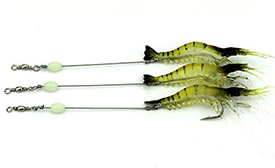
When I first started using soft lures in saltwater, I struggled with durability. The salt water and sharp teeth of fish like redfish and snook would tear them apart in no time. That’s when I discovered Saltwater Systems soft lures. They’re made with a tough, salt-infused material that holds up to even the most aggressive bites. I’ve used them in the Gulf of Mexico (Texas, Louisiana) and the Atlantic Ocean (Florida) for hours on end without having to replace them. And their lifelike designs—from shrimp to mullet—mimic saltwater prey so well that fish can’t resist them.
I remember one trip to the Texas coast where I was fishing for redfish with a LENPABY Saltwater System shrimp soft lure. The water temp was 72°F, and the tide was incoming. I cast it out near a mangrove forest and let it sink to the bottom. When I reeled it in with a slow, steady motion, a redfish hit it so hard my rod nearly flew out of my hands. That fish was 28 inches long—one of the biggest redfish I’d ever caught. And the lure? It didn’t have a single tear in it. I used that same lure for the rest of the day and caught three more redfish.
Common Mistakes to Avoid When Fishing with Soft Lures
Even the best soft lures won’t work if you don’t use them correctly. I’ve made my fair share of mistakes over the years, and here are some of the most common ones to avoid:
- Rigging Too Rigidly: Soft lures are all about natural movement. If you rig them too tightly, they’ll lose their lifelike action. Make sure your hook is inserted correctly and the lure has some “give” when you move it.
- Reeling Too Fast: In cold water or when fish are less active, a fast retrieve won’t get you many bites. Slow down your reel speed, and vary your retrieve to mimic the movement of real prey.
- Using the Wrong Size Lure: If you’re targeting small panfish, a 6-inch soft worm is too big. Use smaller lures for smaller fish and larger lures for larger fish.
- Ignoring Water Depth: Soft lures work best at specific depths. For example, a Texas rigged soft worm is great for shallow weeds, while a drop shot rig is better for deep bass.
Tips for Getting the Most Out of Your Soft Lures
Now that you know why soft lures work and where to use them, let’s talk about how to get the most out of your LENPABY soft lures. Here are some tips I’ve learned from years of fishing across the U.S.:
- Add Scent: Fish rely heavily on their sense of smell. Adding a scent to your soft lure—like garlic, anise, or shrimp—can make it even more attractive to fish. I’ve used LENPABY’s scented soft lures and they work great.
- Change Colors: If you’re not getting bites, try changing the color of your soft lure. In clear water, use natural colors like green pumpkin or brown. In murky water, use brighter colors like chartreuse or red.
- Check for Tear Damage: Soft lures can tear easily, especially if you’re fishing in weeds or around sharp rocks. Make sure to check your lure after every few casts and replace it if it’s damaged.
- Practice Your Casting: Soft lures are often lighter than hard lures, so they require a different casting technique. Practice casting with your soft lure in a park or backyard to get comfortable before you hit the water.
Final Thoughts (and a Quick Tip)
Fishing with soft lures has completely transformed my approach to angling. What started as a “last-ditch” effort on Lake Texoma has become my go-to strategy for catching fish across the U.S. Whether I’m fishing for bass in a small pond, redfish on the Texas coast, or pike in a Michigan lake, I always have a soft lure in my tackle box. And with LENPABY’s affordable, high-quality line, I know I’m getting the best value for my money.
Here’s a small, actionable tip: if you’re trying to catch bass in cold water (below 60°F), use a 4-inch green pumpkin soft worm rigged with a Texas rig. Cast it near submerged trees or rock structures, and reel it in slowly with a series of short, subtle pauses. The natural movement of the soft worm will trigger even the most inactive bass to bite. I’ve used this trick countless times on lakes like Lake Lanier (Georgia) and Lake Michigan (Michigan), and it never fails.


