






Alright, buddy, let’s talk frog lures. If you’ve ever spent a summer afternoon staring at a lily pad-choked cove in Texas, you know the feeling: that sudden, explosive strike that sends water flying and gets your heart racing. That’s the magic of frog fishing, and let me tell you, over 20 years of chasing bass across the US, I’ve learned a thing or two about what makes a frog lure tick. So grab a cold one, pull up a chair, and let’s dive in.
Why Frog Lures Are a Game-Changer for Bass Anglers
First off, frog lures are designed to mimic real frogs—those squishy, hoppy little creatures that bass love to snack on. They’re soft-plastic or hard-bodied baits with a concave face that pushes water aside when you retrieve them, creating that signature “plop” sound that drives bass wild. Unlike other lures, frog lures float, which means you can work them over thick vegetation, lily pads, and other cover where bass hide out.
One of my favorite things about frog lures is their versatility. You can fish them in shallow water, deep water, or anywhere in between. They work well in clear water, murky water, and even in heavy rain. And let’s not forget about the strike—there’s nothing quite like seeing a bass explode through the surface to grab your frog. It’s the kind of moment that keeps you coming back for more.
The Different Types of Frog Lures
Okay, so there are a few different types of frog lures out there, each with their own strengths and weaknesses. Let’s break them down.
Soft-Plastic Frogs
Soft-plastic frogs are the most popular type of frog lure. They’re made of a flexible, rubbery material that gives them a realistic feel and appearance. The legs of a soft-plastic frog are usually designed to kick and splash when you retrieve it, which adds to the lure’s appeal. Some soft-plastic frogs even have a hollow body, which makes them more buoyant and easier to work over cover.
I’ve had great luck with soft-plastic frogs on lakes like Okeechobee in Florida, where the lily pads are thick and the bass are aggressive. Just make sure to use a heavy-duty hook and line to avoid getting snagged.
Hard-Bodied Frogs
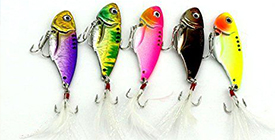
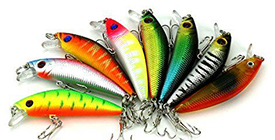
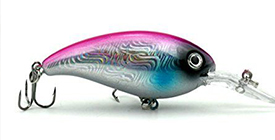
Hard-bodied frogs are another option for bass anglers. They’re usually made of plastic or wood and have a more rigid structure than soft-plastic frogs. Hard-bodied frogs tend to be more durable and can handle more abuse, making them a good choice for fishing in heavy cover. They also often have a built-in rattle or other noise-making device that attracts bass from a distance.
Hard Baits are great for fishing in deeper water or when the bass are more sluggish. You can retrieve them slowly, letting the rattle do the work, or you can give them a quick jerk to make them splash. Just be careful not to set the hook too hard, as hard-bodied frogs can be more fragile than soft-plastic ones.
Metal Frogs
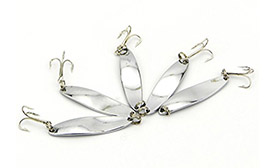
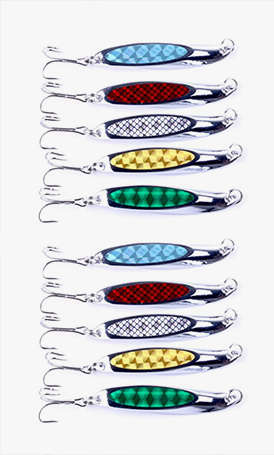
Metal frogs are a newer type of frog lure that’s gaining popularity. They’re made of metal, which gives them a heavier weight and a different feel than soft-plastic or hard-bodied frogs. Metal frogs are designed to sink, which means you can fish them in deeper water or in areas with less cover. They also often have a shiny, reflective surface that attracts bass in clear water.
Metal Lures are great for fishing in rivers or streams, where the current can carry them downstream. You can retrieve them slowly, letting them bounce off the bottom, or you can give them a quick jerk to make them dart. Just make sure to use a heavy-duty line to avoid getting broken off.
How to Choose the Right Frog Lure
Now that you know about the different types of frog lures, let’s talk about how to choose the right one for your fishing trip. There are a few factors to consider, including water temperature, time of day, weather, and the type of cover you’re fishing in.
Water Temperature
Water temperature plays a big role in bass behavior. In general, bass are more active when the water is warm (between 70 and 80 degrees Fahrenheit). During this time, they’ll be more likely to strike at a fast-moving lure like a soft-plastic frog. When the water is cooler (below 70 degrees), bass tend to be more sluggish, so you’ll want to use a slower-moving lure like a hard-bodied frog.
Time of Day
The time of day also affects bass behavior. Early in the morning and late in the evening are prime times for fishing, as the water is cooler and bass are more active. During these times, you can use a faster-moving lure like a soft-plastic frog. Midday, when the sun is high and the water is warm, bass tend to hide in deeper water or under cover, so you’ll want to use a slower-moving lure like a hard-bodied frog.
Weather
Weather conditions can also impact your fishing success. On cloudy, overcast days, bass are more likely to be near the surface, so you can use a frog lure with a bright color to make it more visible. On sunny days, bass tend to be deeper, so you’ll want to use a darker-colored lure that blends in with the water. Heavy rain can also make bass more active, so don’t be afraid to fish in the rain.
Type of Cover
Tips for Fishing with Frog Lures
Okay, so now you know about the different types of frog lures and how to choose the right one. Let’s talk about some tips for fishing with frog lures.
Use Heavy-Duty Gear
First and foremost, you need to use heavy-duty gear when fishing with frog lures. The cover where you’ll be fishing is likely to be thick and snaggy, so you need a strong rod, reel, and line to avoid getting broken off. I recommend using a 7-foot medium-heavy to heavy rod, a baitcasting reel with a high gear ratio, and 30- to 50-pound braided line. Braided line is great because it’s strong, durable, and has little stretch, which means you can set the hook quickly when a bass strikes.
Work the Lure Over Cover
When fishing with frog lures, you want to work them over thick vegetation, lily pads, and other cover where bass hide out. Cast your lure near the cover and retrieve it slowly, making sure to pause occasionally to let the lure sink a little. You can also give the lure a quick jerk to make it splash, which can attract bass from a distance.
One of my favorite techniques is to cast my frog lure into a patch of lily pads and then slowly drag it over the top. When the lure reaches the edge of the lily pads, I give it a quick jerk to make it splash into the open water. More often than not, that’s when the bass strikes.
Set the Hook Hard
When a bass strikes your frog lure, it’s important to set the hook hard. Bass have a tough mouth, so you need to apply a lot of pressure to get the hook to penetrate. I recommend using a sweeping motion to set the hook, rather than a quick jerk. This will help you avoid pulling the lure out of the bass’s mouth.
Experiment with Different Retrieves
Bass can be finicky, so don’t be afraid to experiment with different retrieves. Try retrieving your lure fast, slow, or with a stop-and-go motion. You can also try adding some side-to-side movement to make the lure more appealing. The key is to find what works best for the bass that day.
Last week, I was fishing on Lake Michigan, and the bass were only biting when I retrieved my frog lure very slowly. I had to pause every few seconds to let the lure sink a little, and then I’d give it a quick jerk. It was a slow process, but I ended up catching three bass that day. Let me tell you, it was worth the wait.
Common Mistakes to Avoid When Fishing with Frog Lures
Okay, so now you know some tips for fishing with frog lures. Let’s talk about some common mistakes to avoid.
Using the Wrong Gear
One of the biggest mistakes anglers make when fishing with frog lures is using the wrong gear. If you use a light rod and line, you’re likely to get broken off when a bass strikes. So make sure to use heavy-duty gear.
Fishing Too Fast
Another mistake is fishing too fast. Bass need time to see your lure and decide to strike. If you retrieve your lure too fast, the bass won’t have time to react. So slow down and take your time.
Using the Wrong Color
The color of your lure can also impact your fishing success. If you’re fishing in clear water, you should use a natural-colored lure that blends in with the water. If you’re fishing in murky water, you should use a bright-colored lure that makes it more visible. So make sure to match the color of your lure to the water conditions.
Not Pausing the Lure
Final Thoughts
Now, if you’ll excuse me, I’ve got a date with a lily pad-choked cove in Texas. I can’t wait to see what kind of bass I’ll catch today. So grab your gear, head out to the lake, and give frog lures a try. You won’t be disappointed.
Actionable Tip
Here’s a small, actionable tip to help you catch more bass with frog lures: Next time you’re fishing, try adding a little scent to your lure. Bass have a strong sense of smell, and adding a scent like garlic or crawfish can make your lure more appealing. Just make sure to apply the scent sparingly, as too much can be overwhelming. Happy fishing!


