




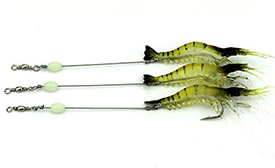

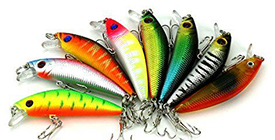
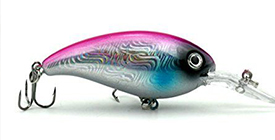
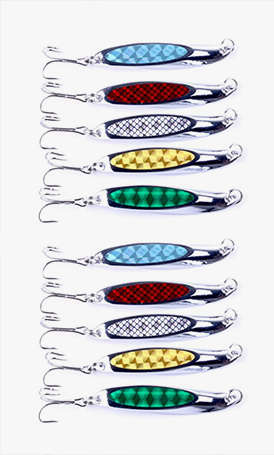

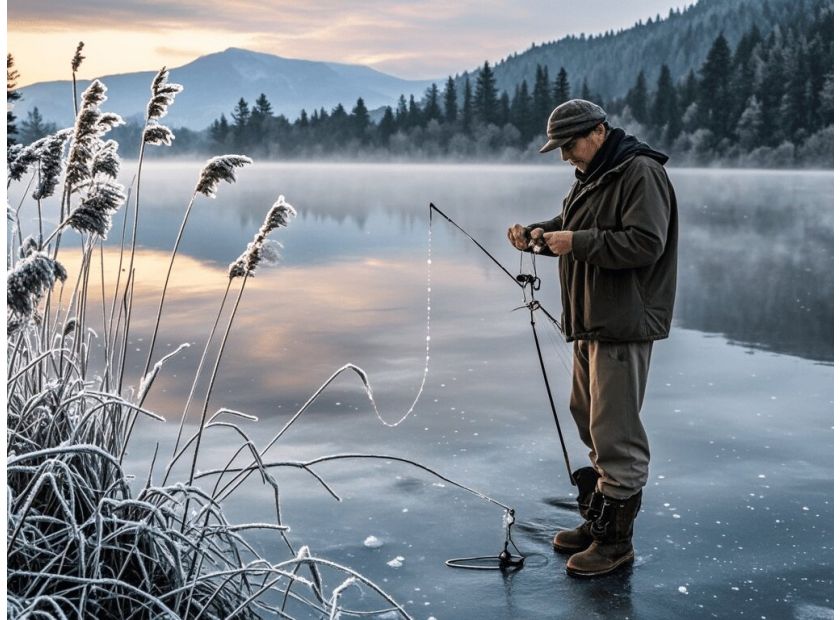
Okay, let’s set the scene. It was last October on Lake Okeechobee—you know, that giant, shallow freshwater lake in South Florida that’s like a fisherman’s dream and nightmare rolled into one. The morning was crisp, about 55°F, and the sun was just peeking over the cypress trees, painting the water a soft pink. I’d been camping there for three days, targeting largemouth bass and bluegill with all the usual gear: Texas rigs, spinnerbaits, crankbaits. Nothing was hitting. I was starting to get frustrated, thinking maybe I’d picked the wrong time of year to visit. That’s when my buddy Jake, who’d been fishing Okeechobee since he was a kid, showed up in his beat-up bass boat and tossed me a small, squishy package. “Try these,” he said. “LENPABY Squid Jigs. The bluegill can’t resist ’em, and the bass love chasing the bluegill that are munching on them.” I raised an eyebrow—squid jigs in freshwater? Seemed counterintuitive. But I’d learned not to question Jake’s advice over the years. I tied one on my ultralight spinning rod, cast it near a stand of emergent vegetation, and within 30 seconds, I felt a sharp tug. A bright blue bluegill, about 8 inches long, was on the line. That was just the start. By the end of the day, I’d caught over 50 bluegill and a few nice bass. I was hooked on squid jigs. Let me tell you, if you haven’t tried them, you’re missing out. And if you’re in the market for some, I highly recommend checking out LENPABY’s offerings—they’ve got a great selection of Soft Plastics that work perfectly for this technique.
What Are Squid Jigs, Exactly?
I know what you might be thinking—squid jigs are for saltwater fishing, right? Well, yes and no. Traditionally, squid jigs are small, soft plastic lures that are designed to mimic the appearance and movement of small squid, which are a common prey item for many saltwater species like snapper, grouper, and mahi-mahi. But here’s the thing: in freshwater, many species like bluegill, crappie, and bass feed on small, soft-bodied prey like insects, crayfish, and even small baitfish that have a similar shape and movement to squid. That’s why squid jigs work so well in freshwater. They’re versatile, easy to use, and can be effective in a variety of conditions. LENPABY has a great selection of squid jigs in different colors, sizes, and styles, so you can find the perfect one for your target species and fishing conditions. If you’re just getting started, I recommend picking up a Fishing Set that includes a few different types of squid jigs—this way, you can experiment and see which ones work best for you.
Why Squid Jigs Work So Well in Freshwater
When and Where to Use Squid Jigs in Freshwater
Now that you know what squid jigs are and why they work, let’s talk about when and where to use them. Squid jigs are most effective in freshwater during the cooler months, from fall to spring, when the water temperature is between 50°F and 75°F. During this time, fish are more active and are feeding more aggressively. They’re also more likely to be in shallow water, where they’re easier to target with squid jigs. Some of the best places to use squid jigs in freshwater include lakes like Lake Okeechobee, Lake Michigan, and Lake Texoma. Let’s take Lake Michigan as an example. Lake Michigan is one of the largest freshwater lakes in the US, and it’s home to a variety of species like smallmouth bass, walleye, and perch. In the spring, when the water temperature is around 55°F, smallmouth bass move into shallow water to spawn. This is a great time to use squid jigs—just cast them near the shoreline and retrieve them slowly. The bass will be attracted to the movement of the jig and will strike hard. Another great place to use squid jigs is Lake Texoma, which is located on the border between Texas and Oklahoma. Lake Texoma is known for its excellent crappie fishing, and squid jigs are a great tool for targeting crappie. Just tie a squid jig on your ultralight spinning rod, cast it near a dock or submerged structure, and jig it up and down. The crappie will be all over it. I’ve had a lot of success using squid jigs in both of these lakes, as well as many others across the US.
Tips for Fishing Squid Jigs in Freshwater
Real-Life Examples of Squid Jig Success
Okay, let’s get to the good stuff—real-life examples of when squid jigs have worked for me. Let’s start with Lake Okeechobee. As I mentioned earlier, I was there last October, targeting bluegill and bass with LENPABY Squid Jigs. The water temperature was around 65°F, and the weather was cool and cloudy. I was fishing near a stand of emergent vegetation, casting my jig into the shallow water and retrieving it slowly. Within 30 seconds of my first cast, I felt a sharp tug. It was a bluegill, about 8 inches long. I caught another one within a minute. And another one after that. By the end of the day, I’d caught over 50 bluegill and a few nice bass. It was one of the best days of fishing I’d had all year. Another example comes from Lake Michigan. I was there in the spring, when the water temperature was around 55°F, targeting smallmouth bass. I was casting my jig near the shoreline and retrieving it slowly. Within a few minutes, I felt a strong tug. It was a smallmouth bass, about 3 pounds. I caught another one within 10 minutes. And another one after that. By the end of the day, I’d caught over 20 smallmouth bass. It was an incredible day of fishing. I’ve also had success using squid jigs in lakes like Lake Texoma, Lake Erie, and Lake Ontario. In each case, the squid jigs were effective in catching a variety of species, including crappie, walleye, and perch. LENPABY Squid Jigs are truly versatile lures that can be used in a variety of conditions and for a variety of species.
Mistakes to Avoid When Fishing Squid Jigs in Freshwater
Final Thoughts
Okay, let’s wrap this up. Squid jigs are a versatile, effective, and affordable fishing lure that can be used in both saltwater and freshwater. If you haven’t tried them, I highly recommend it. And if you’re in the market for some, I recommend checking out LENPABY’s offerings—they’ve got a great selection of Soft Plastics and Fishing Sets that work perfectly for this technique. Remember, fishing squid jigs in freshwater is easy, but there are a few tips that can help you be more successful. Choose the right color and size, use the right tackle, fish them slowly, and be patient. And if you make a mistake, don’t worry—we all do. Just learn from it and try again. Now, go out there and catch some fish!
Actionable Tip: Next time you’re out fishing, try using a LENPABY Squid Jig in shallow water near a dock or submerged structure. Cast it out, let it sink to the bottom, then retrieve it slowly. The tentacles will flutter and move in the water, attracting nearby fish. You might be surprised at how many bites you get!


