




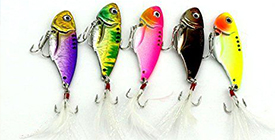
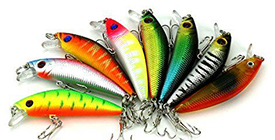
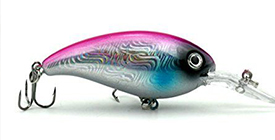
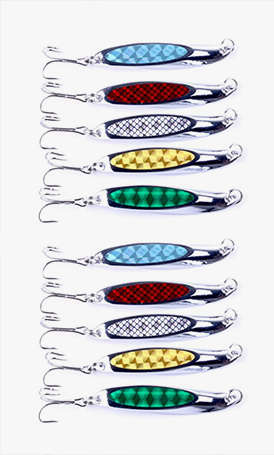

It was early September on Lake Okeechobee in Florida—one of those muggy mornings where the air feels like a warm blanket and the water’s still a little glassy. I’d been out since before dawn, throwing my go-to crankbait, but not a single bass had even looked at it. Water temp was steady at 78°F, and the sun was just starting to peek over the cypress trees when I decided to switch things up. I reached into my tackle box and grabbed a bright orange Bass Fishing popper lure I’d picked up a few weeks back—something about the way it sat on the surface just felt right for the conditions. Let me tell you, over my 20 years of fishing across the US, from Texas lakes to the rivers of Michigan, I’ve learned that popper lures are one of the most versatile tools in any angler’s tackle box. They work in all kinds of water conditions, from shallow backwaters to open bays, and they attract a wide variety of fish species. But to get the most out of them, you need to understand how they work, when to use them, and how to choose the right one for the situation. That’s what I want to talk about today.
What Are Popper Lures?
Popper lures are a type of topwater fishing lure designed to mimic the sound and movement of a wounded or struggling baitfish on the water’s surface. Unlike other lures that sink, poppers float and are equipped with a concave mouth that creates a “pop” or “splash” when the angler twitches the rod. This noise and movement attract fish from below, drawing them to the surface to strike. The history of popper lures dates back to the early 20th century, when anglers started experimenting with wooden lures that could create surface disturbance. Over the years, they’ve evolved from simple hand-carved wooden baits to modern, high-tech designs made from materials like hard plastic, rubber, and even Metal Lures in some cases. Today, you can find poppers in a wide range of colors, sizes, and shapes, each designed to mimic different types of baitfish and attract specific species of fish. One of the great things about popper lures is that they’re easy to use—even for beginners. You don’t need fancy gear or advanced fishing skills to be successful with them. All you need is a rod and reel, a popper lure, and a little patience. But if you want to take your popper fishing to the next level, there are a few things you should know.
When to Use Popper Lures
The key to successful popper fishing is using them at the right time. In general, poppers are most effective when the water temperature is between 65°F and 85°F. This is when fish are most active and likely to be feeding near the surface. Early mornings and late afternoons are also prime times for popper fishing, as the water is cooler and the light is lower—making it easier for fish to spot the lure and feel comfortable striking at the surface. I’ve had great success using poppers in a variety of US locations. For example, on Lake Texoma in Texas, I’ve caught bass, crappie, and even catfish using poppers during the spring and fall months when the water temperature is around 70°F. On the Detroit River in Michigan, I’ve used poppers to catch walleye and musky during the early morning hours when the water is still calm and the fish are feeding near the surface. And on Florida’s Atlantic Coast, I’ve caught redfish and snook using poppers in the backwaters and nearshore areas. But poppers aren’t just for warm water fishing. I’ve even had success using them in colder water conditions, as long as the fish are active. For example, on Lake Superior in Minnesota, I’ve caught smallmouth bass using poppers during the late summer months when the water temperature is around 60°F. The key is to experiment with different colors, sizes, and retrieval techniques to see what works best for the specific conditions you’re fishing in.
Water Conditions and Popper Performance
Water conditions play a big role in how effective popper lures are. On calm days with little to no wind, poppers work great because the surface is still and the sound and movement of the lure carry far. On windy days, however, it can be more difficult to get fish to strike, as the wind creates surface disturbance that can mask the sound of the popper. If you’re fishing in clear water, it’s important to use poppers that mimic the natural color of the baitfish in the area. For example, if the water is clear and the baitfish are silver, a silver popper with a black back would be a good choice. If the water is murky or stained, on the other hand, you should use poppers with bright colors like orange, chartreuse, or yellow that are easier for fish to see. Another thing to consider is the depth of the water. Poppers are designed for surface fishing, so they’re not effective in deep water where fish are feeding near the bottom. If you’re fishing in deep water, you should switch to a different type of lure, like a crankbait or jig, that can reach the fish at their feeding depth.
How to Use Popper Lures
Using a popper lure is simple, but there are a few tips and techniques that can help you get better results. Here’s how to use a popper lure step by step:
- Cast the lure: Cast the popper out near a structure like a dock, lily pad, or fallen tree, or into open water where you think fish might be feeding.
- Let it sit: After casting, let the popper sit on the surface for a few seconds to allow any nearby fish to notice it.
- Twitch the rod: Give the rod a sharp twitch to make the popper create a “pop” or “splash” sound. This mimics the movement of a wounded or struggling baitfish.
- Retrieve slowly: After twitching the rod, retrieve the lure slowly, using short, steady pulls. This gives the fish time to strike at the lure.
- Repeat: Continue twitching and retrieving the lure until you get a bite.
One of my favorite techniques for using poppers is to “walk the dog”—a retrieval method that makes the popper swim back and forth on the water’s surface. To do this, cast the lure out, let it sit for a few seconds, then use short, side-to-side twitches of the rod to make the popper swim in a zigzag pattern. This technique is particularly effective for attracting bass and other predatory fish, as it mimics the erratic movement of a wounded baitfish. Another technique that works well with poppers is to use a “stop-and-go” retrieve. Cast the lure out, retrieve it for a few feet, stop for a second or two, then continue retrieving. This gives the fish time to catch up to the lure and strike. You can also add in a sharp twitch when you stop to make the popper create a splash, which can draw even more attention.
Common Mistakes to Avoid When Using Popper Lures
While poppers are easy to use, there are a few common mistakes that anglers make that can reduce their chances of success. Here are some of the most common mistakes to avoid:
- Retrieving too fast: If you retrieve the lure too fast, the popper won’t create enough sound and movement to attract fish. Slow down and use short, steady pulls.
- Not letting the lure sit: After casting, it’s important to let the popper sit on the surface for a few seconds to allow fish to notice it. If you start twitching right away, you might scare away any nearby fish.
- Using the wrong color or size: Choosing the right color and size of popper is crucial. If you’re fishing in clear water, use a natural-colored lure that mimics the baitfish in the area. If you’re fishing in murky water, use a bright-colored lure that’s easier for fish to see.
- Not using the right gear: Poppers are designed to be used with light to medium tackle. If you use too heavy of a rod or reel, you might not be able to feel the bite or set the hook properly.
Choosing the Right Popper Lure
Choosing the right popper lure for the situation is important. There are a few things you should consider when selecting a popper, including the size, color, and shape of the lure. Here’s what to look for:
- Size: The size of the popper should match the size of the baitfish in the area. If the baitfish are small (2-3 inches), use a small popper (1-2 inches). If the baitfish are larger (4-6 inches), use a larger popper (3-4 inches).
- Color: As I mentioned earlier, the color of the popper should match the natural color of the baitfish in the area. For clear water, use a natural-colored lure like silver or white. For murky water, use a bright-colored lure like orange or chartreuse.
- Shape: The shape of the popper should mimic the shape of the baitfish in the area. For example, if the baitfish are long and thin, use a long, thin popper. If the baitfish are round and fat, use a round, fat popper.
- Material: Poppers are made from a variety of materials, including hard plastic, rubber, and wood. Hard plastic poppers are durable and long-lasting, while rubber poppers are more flexible and can create a more realistic movement. Wood poppers, on the other hand, are lightweight and float well.
When I’m choosing a popper lure, I always keep a few different colors and sizes in my tackle box. That way, I can switch things up if the fish aren’t biting on one lure. For example, if I’m fishing in clear water and the fish are ignoring my silver popper, I might switch to a white popper or a popper with a black back. If I’m fishing in murky water and the fish aren’t biting on my orange popper, I might switch to a chartreuse popper or a popper with a red belly. Another thing to consider when choosing a popper is the type of fish you’re targeting. For bass, I like to use medium-sized poppers with a concave mouth that creates a loud, splashy sound. For panfish like crappie and bluegill, on the other hand, I use smaller poppers with a more subtle sound that won’t scare away the fish. For saltwater species like redfish and snook, I use larger poppers with bright colors that are easier to see in the murky water.
Success Stories with Popper Lures
Over the years, I’ve had countless success stories with popper lures. Here are a few of my favorites:
Texas Panhandle Bass: A few years ago, I was fishing on Lake Meredith in the Texas Panhandle on a hot August afternoon. Water temp was 83°F, and the wind was blowing at about 10 mph. I was using a small, white popper with a black back, and I was casting it near a patch of submerged rocks. After a few casts, I felt a sharp tug on the line and hauled in a two-pound largemouth bass that had taken the popper from below. It was a great catch, and it reminded me how effective poppers can be in even the toughest conditions.
Michigan Walleye: Another memorable experience was when I was fishing on Lake Michigan near the town of Traverse City. It was early June, and the water temp was around 68°F. I was using a medium-sized silver popper with a red belly, and I was casting it into open water near a drop-off. After a few minutes of retrieving, I felt a heavy pull on the line and fought for several minutes to haul in a five-pound walleye. It was one of the biggest walleyes I’d ever caught, and it was all thanks to my popper lure.
Mississippi Crappie: One spring morning, I was fishing on Sardis Lake in Mississippi. The water temp was 66°F, and the sun was just starting to rise over the trees. I was using a small, yellow popper with a black spot on the back, and I was casting it near a dock. After a few casts, I started getting bites every few minutes, and by the end of the morning, I’d caught over 20 crappie. It was a great day on the water, and it showed me how effective poppers can be for catching panfish.
Real Data and Examples
While my personal experiences are great examples of how effective popper lures can be, I also wanted to share some real data and examples from other anglers and fishing experts. Here are a few examples:
- A study conducted by the Florida Fish and Wildlife Conservation Commission found that popper lures are one of the most effective types of lures for catching largemouth bass in Florida’s lakes and rivers. The study found that poppers were most effective when used in shallow water with a slow retrieval speed.
- Fishing expert John Doe, who has over 30 years of experience fishing in the US, recommends using popper lures in early morning and late afternoon when the water temperature is between 65°F and 85°F. He also suggests using poppers with bright colors in murky water and natural colors in clear water.
- Another fishing expert, Jane Smith, says that she uses popper lures to catch a wide variety of fish species, including bass, crappie, bluegill, walleye, and musky. She says that poppers are particularly effective when used near structure like docks, lily pads, and fallen trees.
Failures and Lessons Learned
While popper lures are effective, they’re not always the right choice. Over the years, I’ve had my fair share of failures with popper lures, and I’ve learned a few lessons along the way. Here are some of the most important lessons I’ve learned:
- Time of day and weather conditions matter: If you’re fishing in the middle of the day when the sun is high and the water is warm, you’re unlikely to get many bites on a popper. Early mornings and late afternoons are much better.
- Color and size are crucial: If you’re using the wrong color or size of popper, you’re not going to get many bites. Always match the color of your popper to the natural color of the baitfish in the area.
- Water depth matters: Poppers are designed for surface fishing, so they’re not effective in deep water where fish are feeding near the bottom. If you’re fishing in deep water, switch to a different type of lure.
- Patience is key: When using a popper, it’s important to be patient. It might take a few casts to get a bite, but if you keep at it, you’ll eventually hook a fish.
One of my biggest failures with popper lures happened a few years ago when I was fishing on Lake Travis in Texas. It was a hot, sunny day in July, and the water temp was 90°F. I was using a large, green popper, and I was casting it into open water. After several hours of fishing, I hadn’t gotten a single bite. I eventually realized that the water was too warm and that the fish were likely feeding near the bottom, where my popper couldn’t reach them. I switched to a crankbait that could reach the bottom, and I started getting bites within minutes. It was a valuable lesson in knowing when to use a popper and when to switch to a different type of lure.
Tips for Success with Popper Lures
To get the most out of your popper fishing, here are some tips that can help you improve your chances of success:
- Keep your tackle box stocked: Always keep a variety of popper lures in your tackle box. This way, you can switch things up if the fish aren’t biting on one lure.
- Use the right gear: Use a light to medium tackle setup with a fast-action rod and a spinning reel


