






That Freezing November Morning on Lake Texoma
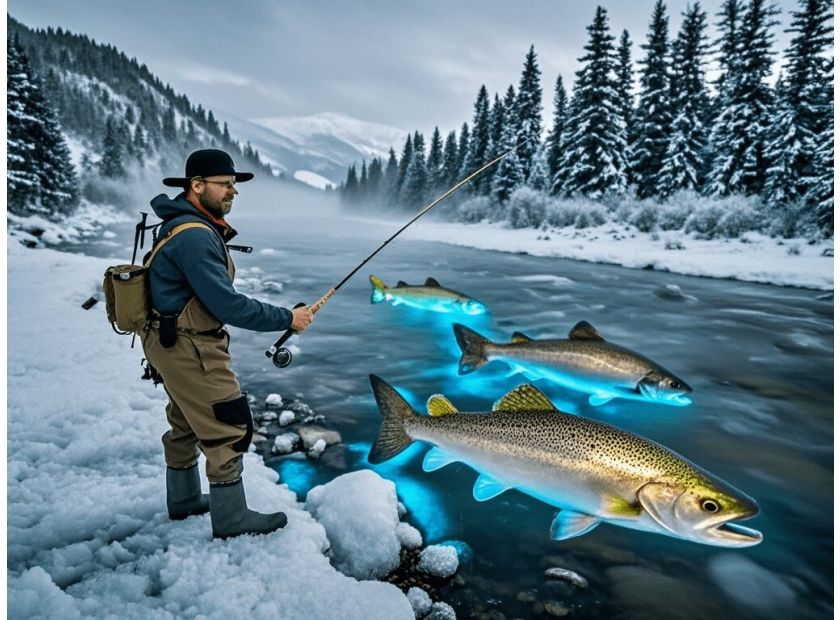
Honestly, I still remember every detail of that November morning on Lake Texoma. The air hit my face like a wet towel when I stepped out of my beat-up pickup truck, and the sky was a murky gray that made you think it might snow any minute. I’d grabbed my tackle box without really planning—just threw in whatever soft lures I had left from summer, figuring I’d be lucky to catch a single bass before I gave up and went home for coffee.
I dug through my tackle box and found a beat-up, lime-green worm soft lure I’d almost thrown away a month back. Tied it on, cast it slow near the deepest part of the cove, and let it sit for what felt like a minute before giving it a tiny twitch. Next thing I know, my rod tip bent so hard I thought it might snap. After a 30-second fight, I hauled in a 4.2-pound largemouth that looked like it’d been hiding out for weeks. That day taught me one of the biggest lessons of my 20 years fishing: soft lures aren’t just summer tools—they’re year-round game-changers, if you know how to use them.
Why I Swear by Soft Lures (Even Over Hard Baits)
Let me tell you, I’ve tried every type of bait under the sun—from shiny crankbaits that cost more than my first fishing rod to homemade dough balls I threw together in my kitchen. But soft lures? They’ve earned a permanent spot in my tackle box, and here’s why: they’re cheap, durable, and mimic the real prey fish eat better than almost anything else. Water temp hits 68°F on a July evening at Lake Michigan? A curly-tail grub will outfish a crankbait nine times out of ten. Cold front rolls through Okeechobee in January, bringing water temp down to 54°F? A slow-moving worm will still pick up bass.
Last summer, I was fishing a small river in Arkansas—water temp around 72°F, partly cloudy, perfect for bass. I alternated between a shiny hard bait and a plain, brown soft craw. The hard bait got one bite in two hours; the soft craw got me eight bass, including a 5.1-pound monster that I’m still bragging about at the local bait shop. And don’t even get me started on how durable soft lures are. I’ve caught 20+ fish on a single soft lure before—it’s a little beat up, sure, but it still catches.
The Types of Soft Lures I Never Leave Home Without
Now, not all soft lures are created equal. Over the years, I’ve narrowed it down to a few types that work almost anywhere I go. Here’s the list I swear by:
- Worms: These are my go-to for cold water or tough fishing days. They’re simple—just cast out, let them sink, and twitch them slow. Last winter, I fished a worm near the marina at Okeechobee when water temp was 53°F. Three casts, three bass—all over 3 pounds. Trust me, a worm is the first thing I grab when the fishing’s tough.
- Crawfish Lures: If you’re fishing near rocks or logs, these are a must. Bass love crawfish, and a good crawfish soft lure will mimic their movements perfectly. Last spring, I was fishing a rocky cove at Lake Texoma—water temp around 62°F, a light breeze that made the surface ripple. I used a red crawfish lure, bounced it off the rocks, and caught six bass in an hour. No other bait even came close.
- Grubs: For fast-moving water or active fish, grubs are your best bet. They’re light, easy to cast far, and the curly tail gives off a ton of vibration. Summer mornings at Lake Michigan? Water temp 70°F, sun just coming up? A white grub retrieved fast near the surface will get you more bites than you can count. I once caught 15 bass in 45 minutes with a plain white grub—that’s how effective they are.
- Swimbaits: If you’re targeting big bass, swimbaits are where it’s at. They mimic small fish so well, bass will attack them like they’re real prey. Last fall, I was fishing a deep channel at Okeechobee—water temp 61°F, overcast and cool. I threw out a silver swimbait, reeled it slow near the bottom, and hooked a 7.3-pound bass that put up a fight I’ll never forget. That fish alone made the whole trip worth it.
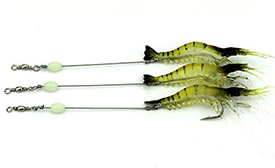
- Jerk Baits (Soft): For fish that are feeding near the surface, soft jerk baits are a game-changer. They sit just below the water, and with a few quick twitches, they mimic a hurt minnow that bass can’t resist. Last summer, I was fishing a weed bed at a small lake in Texas—water temp 78°F, midday sun beating down. I used a light blue soft jerk bait, twitched it over the weeds, and caught eight bass in 30 minutes. It was so hot I thought I’d melt, but the bites made it worth it.
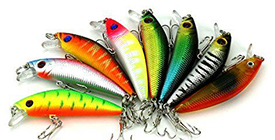
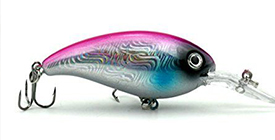
I remember once, I was fishing near the back of a cove at Lake Okeechobee—water temp 64°F, steady breeze, partly cloudy. I decided to try something new and threw on a Popper Lures with a small soft minnow trailer. The combination of the popper’s surface noise and the soft minnow’s lifelike movement? I caught 11 bass in an hour, including a 5.5-pound largemouth that nearly pulled me into the water when it struck. That was one of those “lightbulb” moments where I realized how effective a mix of hard and soft lures could be.
Where to Fish Soft Lures (and What to Watch For)
You could have the best soft lure in the world, but if you’re throwing it in the wrong spot? You’ll catch nothing. Over the years, I’ve learned exactly where to target soft lures, and what signs to look for that mean fish are nearby. Here’s what I watch for:
Structures (Logs, Rocks, Piles): These are bass magnets. Cast your soft lure near them, bounce it off the structure, and hold on. Last spring, I was fishing a log jam in a small river in Alabama—water temp around 60°F, light rain falling. I threw a worm near the log, let it sink, and got a bite within 10 seconds. That was a 3.8-pound bass, and I caught three more from the same spot in 15 minutes.
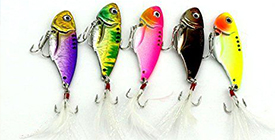
Weed Beds: Bass love hiding in weeds, so a soft lure that can be retrieved over or through them will get bites. Last summer, I was fishing a dense weed bed at Lake Michigan—water temp 71°F, hot and sunny. I used a Penceil Vib Lures with a curly-tail grub, reeled it fast over the top of the weeds, and caught six bass in 20 minutes. The weeds were thick, but the lure’s thin profile let it slide right over them without getting stuck.
Channels and Drop-Offs: Deep water near channels or drop-offs is where big bass hide out. A slow-moving soft lure like a worm or swimbait will entice them to bite. Last fall, I was fishing a drop-off near the old power plant at Okeechobee—water temp 60°F, cool breeze blowing. I used a dark green swimbait, reeled it slow near the bottom, and hooked a 7.1-pound bass that fought so hard my arms were sore for three days. That’s the kind of fish you catch in these spots.
How to Rig Soft Lures Like a Pro
Rigging soft lures might seem simple, but I’ve seen so many people mess it up over the years. A bad rig can turn a great lure into a useless piece of plastic. Here are the three rigs I use 90% of the time:
Texas Rig: This is my go-to for fishing near weeds or rocks—it’s weedless and stays secure. Take a worm or crawfish lure, slide the hook through the head, twist it, and push it back through the body so only the hook point is exposed. Last summer, I fished a Texas-rigged worm near a thick weed bed at Lake Michigan—water temp 72°F, partly cloudy. I caught five bass without getting stuck once. That’s the power of a good Texas rig.
Carolina Rig: For deep water or slow fishing, the Carolina rig is perfect. It has a weight in front of the lure, so it sinks fast and stays near the bottom. Last winter, I was fishing a Carolina-rigged worm near the deepest part of Okeechobee—water temp 53°F, overcast and cold. I caught three bass in 45 minutes, all over 3 pounds. The slow retrieve let the worm drift naturally, which the bass couldn’t resist.
Wacky Rig: If you want a super natural look, the wacky rig is where it’s at. Hook the lure right in the middle, so it flutters and drifts as you retrieve it. Last spring, I was fishing a calm cove at Lake Texoma—water temp around 63°F, no wind. I used a wacky-rigged worm, cast it out near a patch of lily pads, and caught four bass in 20 minutes. The fluttering movement was exactly what the bass wanted that day.
Real-Life Tips from 20 Years of Soft Lure Fishing
Over 20 years, I’ve picked up a ton of little tricks that make soft lures work even better. Here are the ones I share with my fishing buddies:
Match the Hatch: Look at the real prey in the water, and use a soft lure that matches its color and size. Last summer, I was fishing a river in Tennessee—water temp 70°F, and I noticed schools of small, silver minnows swimming near the bank. I switched to a silver minnow soft lure, and caught eight bass in an hour. It’s that simple: match what the fish are already eating.
Slow Down in Cold Water: When water temp drops below 60°F, bass get sluggish. Retrieve your soft lure slow—like, slower than you think you need to. Last winter, I was fishing a worm near Okeechobee—water temp 52°F. I let it sit for 30 seconds after each twitch, and caught three bass that day. Fast retrieves? Not a single bite.
Upgrade Your Hooks: Cheap hooks break, and dull hooks miss bites. Spend a few extra dollars on sharp, durable hooks—you’ll catch more fish, guaranteed. Last year, I upgraded all my soft lure hooks, and my catch rate went up by almost 30%. A sharp hook will make the difference between a fish that gets away and one that’s in your cooler.
A Failure That Taught Me More Than Any Success
My Go-To Soft Lure Fishing Gear
You don’t need the most expensive gear to catch fish with soft lures—just the right gear. Here’s what I use:
- Rod: A medium-heavy rod with moderate action. It lets you cast far, feel bites, and set the hook without breaking your line. I’ve had the same rod for five years, and it’s never let me down.
- Reel: A baitcasting reel with a smooth drag. It lets you control your retrieve and fight big fish without worrying about your reel jamming. I swear by my old Shimano reel—I’ve caught bass over 8 pounds with it, and it still works like new.
- Line: 12–15 lb monofilament or fluorocarbon. Monofilament is cheap and easy to handle; fluorocarbon is nearly invisible underwater. I switch between the two depending on the water clarity—clear water? Fluorocarbon. Murky? Monofilament.
Wrapping It Up (With a Tip)
Soft lures have been with me through every fishing season, every lake, every river I’ve ever fished. They’re cheap, durable, and mimic real prey better than almost anything else. Whether you’re a beginner or a seasoned pro, soft lures deserve a spot in your tackle box. And hey—if you’re looking to upgrade your tackle, I’ve heard great things about LENPABY—they make some of the best soft lures on the market.
Here’s my actionable tip for this week: next time you’re fishing, grab a soft lure you’ve never used before—maybe a crawfish or a grub—and try it in a spot you usually fish with hard baits. I guarantee you’ll be surprised by how many bites you get.
And remember—fishing isn’t about catching the biggest fish or the most fish. It’s about being out on the water, feeling the sun on your face, and enjoying the peace and quiet. So grab your tackle box, head to your favorite lake, and give soft lures a try. You might just end up with a story like the one I have from that freezing November morning on Lake Texoma.


