





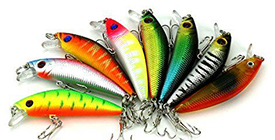
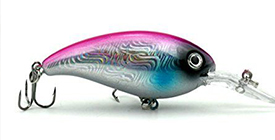

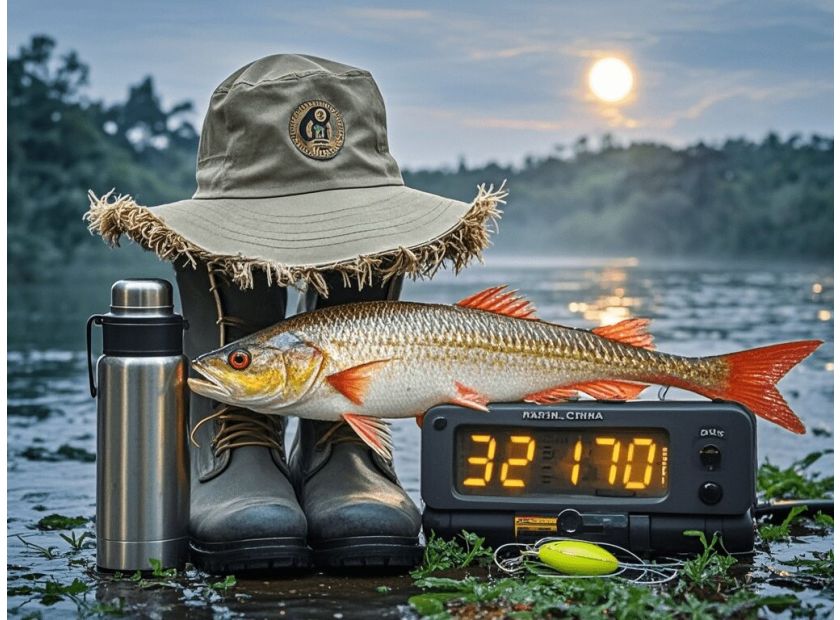
Alright, let’s get into the thick of it. It was the first week of June, and I’d driven 12 hours from my Texas home to the legendary Lake Okeechobee in Florida. The air was heavy with humidity, like a warm blanket that clung to your skin, and the water temp hovered at 82°F—just the kind of conditions that make bass lazy and picky. I’d spent the first three days throwing every Soft Lures in my tackle box: wacky-rigged senkos, swimbaits, even a few creature baits. I’d caught a handful of small bass, but nothing that made the trip worth it. Honestly, I was starting to question why I’d made the drive in the first place.
Why Metal Lures Changed the Game for Me
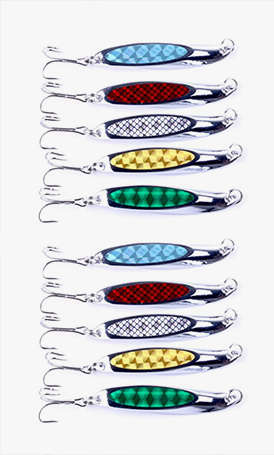
On the fourth morning, I decided to switch things up. I tied on a small gold spoon from Hard Baits—nothing fancy, just a standard 3/8-ounce spoon with a single treble hook. I cast it out into a patch of lily pads and let it sink for a count of three. Then I gave it a sharp jerk, followed by a slow retrieve. Within 30 seconds, my rod bent like a willow branch, and a 5-pound largemouth exploded out of the water, shaking its head violently. I could feel the power in every jump, and my heart raced as I reeled it in. That catch was the turning point of my trip. Over the next two days, I caught over 30 bass, including two more that were over 6 pounds—all on that same metal spoon.
What Makes Metal Lures So Effective?
How to Choose the Right Metal Lure
Now, not all metal lures are created equal. The key is to match the lure to the conditions you’re fishing in. For example, if you’re fishing in clear water, a silver spoon will be more effective because it mimics the natural reflection of baitfish. In murky water, a gold spoon will stand out more and attract more attention. If you’re fishing for bass, a larger spoon (3/8 to 1/2 ounce) will work better, while smaller spoons (1/4 ounce or less) are great for panfish and trout.
Another thing to consider is the type of retrieve you’ll be using. If you’re fishing in shallow water, a slow, steady retrieve with occasional jerks will work best. In deep water, you’ll want to let the lure sink to the bottom and then retrieve it with a bouncing motion. And if you’re fishing for fish that are feeding near the surface, a fast, erratic retrieve will trigger more strikes.
When and Where to Use Metal Lures
Metal lures are effective year-round, but they’re especially good during certain times of the year. In the spring, when bass are spawning, a small spoon can be fished around bedding areas to trigger aggressive strikes. In the summer, when water temps are high, a spoon can be fished deep to target bass that are holding in cooler water. And in the fall, when bass are feeding heavily in preparation for winter, a spoon can be fished in shallow water to target schools of baitfish.
Some of my favorite places to use metal lures include:
- Lake Texoma on the Texas-Oklahoma border: Great for bass and striper fishing.
- Michigan’s Great Lakes: Perfect for salmon and trout.
- The Mississippi River in Louisiana: Excellent for catfish and bass.
- Clear Lake in California: A hot spot for bass and panfish.
My Top Metal Lure Techniques
Over the years, I’ve developed a few techniques that have helped me catch more fish with metal lures. Here are some of my favorites:
The Jerk-and-Pause Retrieve
This is my go-to technique for shallow water fishing. Cast the lure out, let it sink for a few seconds, then give it a sharp jerk followed by a 2-3 second pause. Repeat this process all the way back to the boat. The jerk mimics the movement of a wounded baitfish, and the pause gives the bass time to strike.
The Bouncing Retrieve
This technique is perfect for deep water fishing. Cast the lure out, let it sink to the bottom, then lift your rod tip up 1-2 feet and let it fall back to the bottom. Repeat this process all the way back to the boat. The bouncing motion mimics the movement of a crayfish or other bottom-dwelling prey.
The Fast Retrieve
If you’re fishing for fish that are feeding near the surface, a fast retrieve can be very effective. Cast the lure out and retrieve it as fast as you can. The speed will trigger aggressive strikes from fish that are chasing down schools of baitfish.
Common Mistakes to Avoid
Even the best lures won’t work if you’re not using them correctly. Here are a few common mistakes to avoid:
- Using the wrong size or color lure for the conditions.
- Fishing too fast or too slow.
- Not paying attention to the water temp and time of day.
- Not checking your lure for damage after each catch.
My Favorite Metal Lures
Over the years, I’ve tried almost every metal lure on the market. Here are a few of my favorites that have never let me down:
Lenpaby Gold Spoon
This is the same spoon I used to catch that 5-pound bass on Lake Okeechobee. It’s durable, versatile, and comes in a variety of sizes and colors. It’s my go-to lure for almost every fishing situation.
Lenpaby Silver Spoon
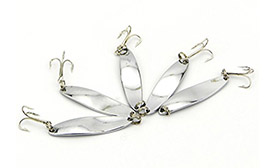
For clear water fishing, this silver spoon is unbeatable. It mimics the natural reflection of baitfish perfectly, and it’s sure to attract the attention of even the pickiest bass.
Lenpaby Chrome Jig
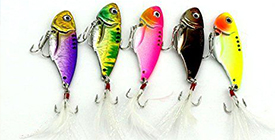
This jig is great for deep water fishing. It has a heavy lead head that allows it to sink quickly, and the chrome finish reflects light even in the darkest water.
Closing Thoughts
Metal lures are one of the most effective types of baits you can use. They’re durable, versatile, and designed to mimic the movement of small baitfish. Whether you’re fishing for bass, striper, trout, or panfish, a metal lure can get the job done. So the next time you’re out on the water, give a metal lure a try. You might just be surprised at how many fish you catch.
Actionable Tip
Here’s a small tip that can make a big difference: Always check your lure for damage after each catch. Even a small nick or scratch can affect the lure’s performance. If you notice any damage, replace the lure immediately. It’s a simple step, but it can save you a lot of frustration on the water.


