




Hard Baits have been my constant companions for two decades, helping me navigate the unpredictable waters of the US. Let me start with a story that changed everything for me—back in 2015 on Lake Okeechobee. The sky was heavy with gray clouds, rain trickling lightly, and the air smelled like damp earth and fish. I was targeting bass that morning, but nothing was working. Then my buddy, who was fishing nearby, yelled over, “Hey, try this Hard Bait!” He tossed over one from his tackle box, a sleek, shiny crankbait. I cast it out, let it sink to the bottom, and as I reeled it in slowly, a bass hit it so hard my rod bent almost in half. That fish was a keeper, and from that moment on, I was hooked on Hard Baits.
## Why Hard Baits Are a Must-Have in Your Tackle Box
I’ve fished from Lake Michigan in the north to the Rio Grande in the south, and across the Mississippi to the Everglades. From my experience, Hard Baits are versatile lures that excel in various fishing conditions and catch a wide range of species. Here’s why you should always have them with you:
- **Mimicking Real Prey**: Hard Baits come in different shapes and sizes that look like small fish, frogs, or insects. This makes them irresistible to predator fish like bass, pike, and walleye. For example, in Lake Texoma, I once caught a 6-pound walleye using a Hard Bait that looked exactly like a shad. The water temperature was 62°F, and the sun was just starting to rise, creating a perfect setting for the walleye to strike.
- **Durability**: Unlike soft plastics, Hard Baits are built to last. They can withstand multiple bites and tough conditions, making them cost-effective over time. I still have a Hard Bait from my first trip to the Snake River in Idaho, and it’s still catching fish after all these years.
- **Versatility in Fishing Techniques**: Hard Baits can be used for various techniques such as casting, trolling, and jerking. In the Colorado River, I’ve had success trolling with a Hard Bait to catch striped bass in deep waters. On the other hand, on a small lake in Texas, I use a jerking technique with a Hard Bait to attract bass hiding in the weeds.
## Different Types of Hard Baits for Every Situation
Over the years, I’ve tested almost every type of Hard Bait available. Here are the ones that have proven their worth time and time again:
### Crankbaits
These are my go-to lures for bass fishing, especially in lakes like Okeechobee and Michigan. They dive to different depths, which allows you to target fish at various levels of the water column. Last summer, I was fishing in Lake Michigan when the water temperature was 68°F. I used a deep-diving crankbait and caught five bass in just one hour. The key is to vary your retrieve speed—sometimes a slow, steady reel-in works best, while other times a quick, jerky motion is more effective.
### Spinnerbaits
Spinnerbaits are great for murky waters or low light conditions because of their flashy blades. They create vibration and noise, which helps predator fish locate the lure. On a cloudy day at the Rio Grande, I used a spinnerbait to catch several large catfish. The water was choppy, and visibility was poor, but the spinnerbait’s vibrations attracted the catfish from far away.
### Jerkbaits
Jerkbaits are perfect for clear waters where fish are more finicky. They mimic wounded prey, which triggers a predator’s instinct to attack. In Lake Texoma, during a time when the water temperature was 70°F, I used a jerkbait with a slow, jerky retrieve. I caught a 4-pound bass that had been hiding near a tree trunk.
## Success Stories and Failures with Hard Baits
Fishing isn’t always smooth sailing—there are both successes and failures. Let’s start with a success story from the Everglades. I was fishing for snook in the mangroves, and the water temperature was 80°F. I used a Hard Bait that looked like a mullet, casting it near the shoreline. As I reeled it in, a snook hit it hard, and I had to fight it for several minutes. The fish was a beauty, measuring 30 inches long. I took a quick photo and released it back into the water.
On the flip side, I’ve had my fair share of failures. Last year, I was fishing on Lake Okeechobee during a tournament. I was using a crankbait that had worked well for me before, but the bass weren’t biting. I later realized that the water temperature had dropped from 68°F to 58°F, and the bass had moved to deeper waters where my crankbait couldn’t reach. The lesson here is to always check the water temperature and adjust your tactics accordingly.
## Finding Deals on Hard Baits and Predator Fish Specials
As a veteran fisherman, I know how important it is to save money on tackle without compromising on quality. That’s why I always look for deals and specials, especially when it comes to Hard Baits and Predator Fish Specials. For example, I once found a 5-pack of Hard Baits for $15, which is a steal considering their durability and effectiveness.
Another way to save money is to buy in bulk. Many retailers offer discounts when you purchase multiple lures, which can add up to significant savings over time. I also keep an eye out for seasonal specials, such as during the fishing off-season when stores often clear out their inventory.
## Tips and Tricks for Using Hard Baits Effectively
Now, let’s talk about some tips and tricks that will help you catch more fish with Hard Baits:
- **Choose the Right Bait for the Species**: Different predator fish have different preferences, so it’s important to choose a Hard Bait that mimics their natural prey. For example, if you’re targeting walleye, use a Hard Bait that looks like a shad or a minnow. If you’re targeting bass, use a crankbait or a spinnerbait that resembles a frog or a crawfish.
- **Experiment with Retrieve Techniques**: Don’t be afraid to try different retrieve techniques. Sometimes a slow, steady reel-in works best, while other times a quick, jerky motion is more effective. On a calm day at a small lake in Iowa, I used a slow retrieve with a jerkbait and caught three bass in just 15 minutes.
- **Pay Attention to Water Temperature and Depth**: As I learned from my failure on Lake Okeechobee, water temperature and depth are crucial factors in fishing. Bass, for example, prefer water temperatures between 60°F and 75°F, and they tend to move to deeper waters when the temperature is too low or too high.
- **Keep Your Lures Clean and Sharp**: Hard Baits need to be clean and sharp to attract fish. After each fishing trip, I clean my lures with a soft cloth and replace any dull hooks. This ensures that the lures continue to catch fish and last longer.
## Final Thoughts and a Small Actionable Tip
Fishing with Hard Baits is not just a hobby—it’s a passion that has given me countless memories over the years. From catching my first bass on a Hard Bait in Lake Okeechobee to reeling in a large walleye in Lake Michigan, every trip has been an adventure.
Here’s a small actionable tip for you: Next time you go fishing, try using a Hard Bait that you’ve never used before. It might surprise you with the results. Who knows—you might even catch the biggest fish of your life.
Happy fishing, and always remember to respect the water and the fish.
- Hard Lures
-
Minnow Lures
Popper Lures
Penceil Vib Lures
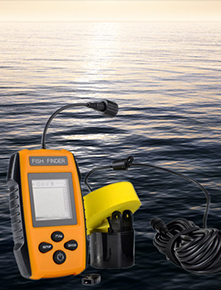
-
- Soft Lures
-
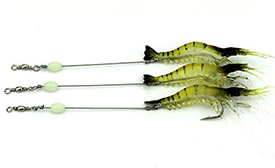
Soft Lures
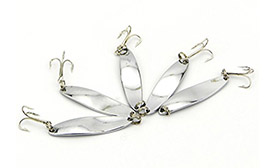
Spoon Lures

-
- Fishing Set
-
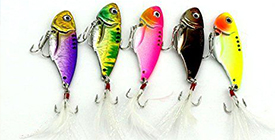
Fishing Set 5pcs
Fishing Set 8pcs
Fishing Set 10pcs
-
- Lures Category
- New Lures
- fishing baits
-
Language  English
English

