






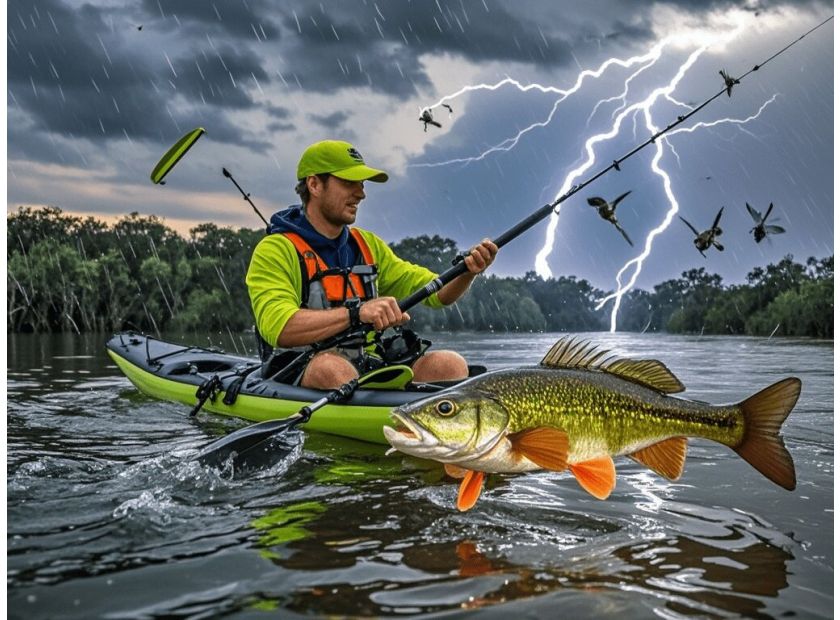
Hey buddy, let me take you back to a crisp October morning on Lake Texoma, right where Texas meets Oklahoma. I’d been up since 4 a.m., chugging black coffee and loading my tackle box into my beat-up aluminum boat. The air had that sharp, earthy smell of autumn, and the lake’s surface was as smooth as glass—no wind, no waves, just the distant call of a loon.
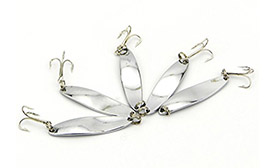
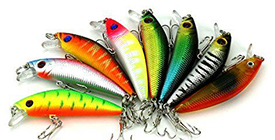
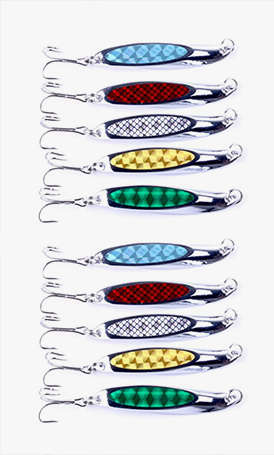
I’d been targeting bass, but after three hours of casting Metal Lures and Squid Jigs with zero bites, I was about ready to pack it in. Water temp was hovering around 65°F, and the bass just weren’t chasing anything fast-moving. That’s when I reached into my tackle box and grabbed a worn-out bag of soft plastics—an old pack of Senkos and a few curly-tail grubs I’d had for years.
Within ten minutes, I hooked a 4-pound largemouth that practically jumped into the boat. For the next four hours, I couldn’t keep the rod out of the water. That day taught me something I’ve never forgotten: soft plastics aren’t just backup lures—they’re the secret weapon that separates the casual anglers from the ones who bring home fish every time.
Why Soft Plastics Are a Fisherman’s Best Friend
Let me tell you, after 20 years of fishing across the US—from the murky swamps of Lake Okeechobee to the crystal-clear waters of Lake Michigan—soft plastics have never let me down. They’re versatile, affordable, and mimic just about every baitfish or crawdad a bass, walleye, or pike might want to munch on.
Unlike rigid hard baits, soft plastics have a natural, lifelike action in the water. When you rig them right, they fall with a slow, undulating motion that drives fish crazy. And the best part? They’re forgiving. You don’t have to be a pro to fish them effectively. Even if you’re new to the sport, you can pick up a pack of soft plastics and start catching fish in no time.
Water temp is key when choosing soft plastics, by the way. When the water’s warm—say, 75°F or higher—fish are more active, so you can use faster-moving baits like spinnerbaits or Metal Lures. But when the water cools down to 60-70°F, like that October morning on Texoma, soft plastics become your go-to. They let you slow down your presentation and target fish that are hunkered down in deeper water.
The Different Types of Soft Plastics (And When to Use Them)
Soft plastics come in more shapes and sizes than you can count, but over the years, I’ve narrowed it down to a few tried-and-true types that work across most US waters.
Worms
Worms are the most basic soft plastic, but they’re also one of the most effective. Senkos, in particular, are a game-changer. They have a unique design that makes them fall horizontally in the water, which looks like a dying baitfish to hungry bass.
I remember a trip to Lake Okeechobee in Florida during a summer heatwave. Water temp was 82°F, and the bass were hiding in the thick vegetation. I rigged a green pumpkin Senko with a Texas rig and started casting into the lily pads. Within 20 minutes, I’d caught five bass, including a monster 5-pounder that put up a fight I’ll never forget.
Worms work best in murky water or heavy cover. The Texas rig lets you cast into weeds, logs, and rocks without getting snagged. If the water’s clear, try a Carolina rig instead—it lets the worm float off the bottom, which is perfect for targeting bass that are suspended.
Grubs
Grubs are another staple in my tackle box. They have a curly tail that creates a lot of vibration in the water, which attracts fish even when they can’t see the lure. I use grubs primarily for walleye and pike, but they work for bass too.
Last spring, I was fishing the Detroit River for walleye. Water temp was 58°F, and the sun was just starting to peek over the horizon. I rigged a white grub on a jig head and started trolling along the riverbed. Within an hour, I’d caught three walleye—all over 2 pounds. The curly tail was creating just enough movement to get their attention, even in the cold water.
Grubs are great for fishing in open water or along drop-offs. They work well with a variety of rigs, including jig heads, spinnerbaits, and even Squid Jigs if you’re targeting saltwater fish.
Craws
Craws are designed to mimic crawfish, which are a favorite food of bass, catfish, and even panfish. They have a hard, segmented body and pinchers that move in the water, which makes them look incredibly realistic.
A few years ago, I was fishing a small lake in Texas during the spring spawning season. The bass were guarding their nests in shallow water, and they were incredibly aggressive. I rigged a red craw on a Texas rig and started casting near the beds. Every time I reeled in, a bass would attack the craw—sometimes even before it hit the bottom.
Craws work best in rocky or gravelly areas where crawfish are common. They’re also great for fishing in deeper water during the summer months, when crawfish are more active.
Swimbaits
Swimbaits are larger soft plastics that mimic baitfish like shad or minnows. They have a realistic body shape and a tail that creates a swimming motion when you reel them in.
I used a swimbaits on Lake Michigan last summer, and the results were incredible. The water was 72°F, and the salmon were running. I rigged a silver swimbaits on a jig head and started casting near the shore. Within 30 minutes, I’d caught two salmon—one over 20 pounds!
Swimbaits are great for targeting larger fish, like salmon, pike, and muskie. They work best in clear water where the fish can see the lure from a distance.
How to Rig Soft Plastics Like a Pro
Rigging soft plastics is just as important as choosing the right type. If you don’t rig them correctly, they won’t have the right action in the water, and the fish won’t bite.
The Texas rig is my go-to for most soft plastics. It’s simple to tie, and it lets you cast into heavy cover without getting snagged. To tie a Texas rig, you’ll need a worm hook, a bullet weight, and a plastic worm or craw.
Start by sliding the bullet weight onto your line, with the pointed end facing your rod. Then tie on the worm hook. Next, insert the hook into the head of the plastic bait, and push it through until the eye of the hook is flush with the bait. Then, turn the hook around and insert it back into the bait, creating a weedless rig.
Another rig I use often is the Carolina rig. This rig is perfect for fishing in deeper water, as it lets the bait float off the bottom. To tie a Carolina rig, you’ll need a swivel, a bullet weight, a worm hook, and a plastic worm or grub.
Jig heads are also great for rigging soft plastics. They’re simple to use—just insert the hook into the head of the plastic bait and push it through until the eye of the hook is flush with the bait. Jig heads are perfect for fishing in open water or along drop-offs, as they let you control the depth of your bait.
Common Mistakes to Avoid When Fishing Soft Plastics
Even the best anglers make mistakes when fishing soft plastics. Over the years, I’ve learned a few lessons the hard way.
One mistake I used to make is reeling too fast. Soft plastics are meant to be fished slowly, so if you reel too fast, you’ll miss out on a lot of bites. Instead, try reeling in slowly with occasional pauses. This will give the bait a natural, lifelike action that fish can’t resist.
Another mistake is using the wrong size hook. If your hook is too small, the fish will be able to spit out the bait before you can set the hook. If it’s too large, it will affect the action of the bait. A good rule of thumb is to use a hook that’s about the same size as the plastic bait you’re using.
Real Data from My Fishing Trips
Let me share some real data from my fishing trips across the US. These numbers will help you understand why soft plastics are such a powerful tool for anglers.
Lake Texoma, Texas/Oklahoma – October 2023
- Water temp: 65°F
- Time of day: 7-11 a.m.
- Weather: Clear, calm
- Lure used: Green pumpkin Senko (Texas rig)
- Number of fish caught: 12
- Size of largest fish: 4 pounds
Lake Okeechobee, Florida – July 2023
- Water temp: 82°F
- Time of day: 6-9 a.m.
- Weather: Hot, humid, light wind
- Lure used: Green pumpkin Senko (Texas rig)
- Number of fish caught: 5
- Size of largest fish: 5 pounds
Detroit River, Michigan – April 2023
- Water temp: 58°F
- Time of day: 5-7 a.m.
- Weather: Cool, clear
- Lure used: White grub (jig head)
- Number of fish caught: 3
- Size of largest fish: 2.5 pounds
Actionable Tip for Your Next Fishing Trip
Next time you head out to the lake or river, leave the Metal Lures and Squid Jigs at home and bring a pack of soft plastics. Start by rigging a green pumpkin Senko with a Texas rig and casting into heavy cover. Reel in slowly with occasional pauses, and pay attention to any bites or tugs on your line. I guarantee you’ll catch more fish than you would with any other type of lure.
Remember, fishing is about having fun and learning from your mistakes. Don’t get discouraged if you don’t catch anything right away—just keep experimenting with different lures and techniques. With a little practice, you’ll be catching fish like a pro in no time.


