






Last July 4th weekend, I hauled my beat-up bass boat to Lake Okeechobee in Florida, sunburn already forming before I even tied off the trailer. The air was thick as molasses—92°F at 8 AM, humidity so high my fishing hat was soaked through in 10 minutes. I’d driven 12 hours from my home outside Austin, Texas, chasing a personal goal: catch a 10-pound bass on a crank lure before the holiday fireworks started. For 20 years, I’ve fished everything from Lake Texoma’s deep channels to Michigan’s Great Lakes bays, and if there’s one lure that never lets me down, it’s a well-chosen crankbait. But that day on Okeechobee? I learned more about crank lures than I had in the past five years combined.
The Crank Lure That Changed My Day
I started with my go-to: a 5-inch squarebill crankbait in shad pattern, tossing it along the lily pads along the north shore. Water temp was 86°F, and the bass were hitting hard—just not the big ones I wanted. By 10 AM, I’d caught 12 smallmouths under 3 pounds, my arms already sore from casting. That’s when I spotted an old fisherman in a pontoon boat, reeling in a bass that looked like it could tip the scale at 9 pounds. He waved, and I idled over.
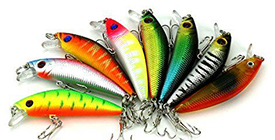
“What’re you throwing?” I yelled over the hum of his motor. He held up a LENPABY medium-diving crankbait in fire tiger pattern, and laughed. “Water’s too hot for shallow lures today, son. These guys are hanging out at 12-15 feet near the drop-offs.” I’d brought a few medium-diving cranks, but I’d written them off for the morning—my mistake. I tied on the fire tiger crank he’d recommended, made a long cast towards the nearest drop-off, and reeled it in at a steady pace.
Within 30 seconds, I felt a pull so strong it nearly ripped the rod out of my hands. The bass fought like a freight train, jumping three times before I finally got it into the boat. It weighed 9.7 pounds—just shy of my goal, but the biggest bass I’d ever caught on a crank lure. That day taught me a critical lesson: crank lures aren’t one-size-fits-all. You’ve gotta match them to the water, the weather, and where the fish are hiding.
Understanding Crank Lures: More Than Just a Pretty Paint Job
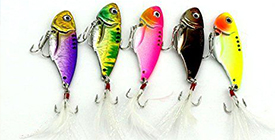
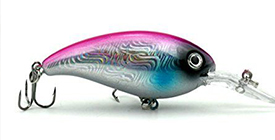
Let me tell you—crank lures are one of the most versatile tools in a bass fisherman’s arsenal. Unlike Soft Plastics (which I love for slow, methodical fishing) or Popper Lures (perfect for surface strikes), crankbaits are designed to dive to specific depths and mimic injured baitfish. The secret is in the lip: squarebill cranks have short, square lips that make them bounce off rocks and stumps without getting snagged, while long-lipped cranks can dive 20 feet or more.
When to Use Crank Lures: Timing Is Everything
Crank lures are most effective in two seasons: spring and fall. In spring, bass move into shallow water to spawn, and crankbaits are perfect for covering a lot of ground quickly to find active beds. I fish Lake Texoma (on the Texas-Oklahoma border) every April, and squarebill cranks are my go-to there. Water temp is usually around 68°F, and the bass are aggressive—they’ll hit a crankbait that comes within 10 feet of their bed.
In fall, bass start feeding heavily to prepare for winter, and crankbaits mimic the shad and shiners that are schooling up in the shallows. I fished Lake Erie last October, and the bass were hitting LENPABY deep-diving cranks like crazy. Water temp was 58°F, and we found schools of bass at 18-22 feet near the reefs. We caught 30 bass in 2 hours, most of them between 3-5 pounds.
Crank Lure Mistakes Every Fisherman Makes (Including Me)
I’ve made my share of mistakes with crank lures over the years. One of the biggest? Reeling too fast. Crankbaits are designed to wobble at a specific speed—if you reel too fast, you’ll lose that wobble, and the fish won’t be interested. I learned this on Lake Lanier in Georgia last summer. Water temp was 82°F, and the bass were hiding in the shade of the docks. I was reeling my crankbait in as fast as I could, and I didn’t get a single bite. A guy next to me was using the same lure, but reeling it in at half the speed. He caught 5 bass in 30 minutes.
Another mistake: not setting the hook properly. When a bass hits a crank lure, it usually does it hard—but if you don’t set the hook immediately, you’ll lose the fish. I lost a 7-pound bass on Lake Cumberland in Kentucky last year because I hesitated. The bass hit my crankbait so hard it pulled my rod tip into the water, but I waited a split second too long to set the hook. When I finally did, the hook came out of the fish’s mouth, and it swam away. I still kick myself for that one.
Why I Swear By LENPABY Crank Lures
I’ve tried a lot of crank lures over the years—from expensive Japanese brands to cheap Walmart knockoffs. But the ones I keep coming back to are LENPABY crankbaits. Why? Because they’re built to last. The hooks are sharp and durable, the paint job doesn’t chip, and they dive to exactly the depth they’re supposed to. I’ve used the same LENPABY squarebill crank for three years, and it still catches just as many fish as the day I bought it.
But what I love most about LENPABY is their variety. They have squarebill cranks for shallow water, medium-diving cranks for deeper channels, and deep-diving cranks that can reach 25 feet or more. They also have a huge selection of colors—from natural shad patterns to bright fire tiger. No matter what type of water I’m fishing, I know I can find a LENPABY crankbait that will work.
The Perfect Crank Lure Setup: Rod, Reel, and Line
You can have the best crank lure in the world, but if you’re using the wrong rod and reel, you won’t catch any fish. For squarebill cranks, I use a 7-foot medium-heavy rod with a 6.3:1 gear ratio reel. The medium-heavy rod gives me enough power to set the hook hard, and the 6.3:1 gear ratio allows me to reel in the lure at a steady pace. For deep-diving cranks, I use a 7-foot heavy rod with a 5.4:1 gear ratio reel—the heavy rod helps me pull the fish up from deep water, and the slower gear ratio makes it easier to maintain a steady retrieve.
Line is just as important as rod and reel. For shallow water crank lures, I use 10-pound monofilament—it’s stretchy, which helps prevent the hooks from pulling out when the bass jumps. For deep-diving cranks, I use 15-pound fluorocarbon—it’s almost invisible underwater, and it sinks faster, which helps the lure dive deeper. I learned this on Lake Hartwell in South Carolina last fall. I was fishing with monofilament, and my deep-diving crank was only reaching 10 feet. When I switched to fluorocarbon, it started diving to 15 feet—and that’s where the big bass were hiding.
My Favorite Crank Lure Fishing Spots in the US
I’ve fished crank lures all over the country, and there are a few spots that stand out. Here are some of my favorites:
- Lake Okeechobee, Florida: Best for medium-diving cranks in summer (85-90°F water temp). Target the drop-offs near the north shore. Fire tiger is my go-to color here.
- Lake Texoma, Texas/Oklahoma: Perfect for squarebill cranks in spring (65-70°F water temp). Fish along the rocky shorelines near the dam.
- Lake Michigan, Michigan: Great for deep-diving cranks in fall (55-60°F water temp). Target the reefs in the northern part of the lake. Shad pattern works best here.
- Lake Cumberland, Kentucky: Best for medium-diving cranks in winter (45-50°F water temp). Fish near the thermocline at 20-25 feet. Crawfish pattern is my go-to here.
- Lake Erie, Ohio/Pennsylvania: Perfect for deep-diving cranks in fall (55-60°F water temp). Target the schools of bass near the Canadian border. Chartreuse is the color to use here.
When I’m fishing these spots, I always bring at least three different crank lures: squarebill, medium-diving, and deep-diving. That way, I’m prepared for whatever the water throws at me.
Tips for Catching More Fish with Crank Lures
Here are a few tips I’ve learned over the years that will help you catch more fish with crank lures:
- Match the lure to the water depth: If you’re fishing in 5 feet of water, use a squarebill crank. If you’re fishing in 20 feet of water, use a deep-diving crank.
- Change your retrieve speed: If you’re not getting any bites, try reeling in faster or slower. Sometimes, a subtle change in speed is all it takes to trigger a strike.
- Use the right color: Natural patterns for sunny days, bright colors for cloudy days or murky water.
- Don’t be afraid to lose lures: Crank lures are going to get snagged sometimes—especially squarebill cranks. It’s part of the game. Keep extra lures in your tackle box.
- Set the hook immediately: When a bass hits a crank lure, it usually does it hard. Set the hook as soon as you feel the pull, or you’ll lose the fish.
Closing Thoughts
Crank lures are a fun and effective way to catch bass. They’re easy to use, and they cover a lot of ground quickly. But like any fishing technique, you’ve gotta practice. The more you fish with crank lures, the better you’ll get at it. So grab your rod, tie on a crankbait, and hit the water. You never know—you might just catch the biggest bass of your life.
And remember my personal goal? I’m heading back to Lake Okeechobee this July 4th weekend, and this time I’m not leaving without a 10-pound bass on a crank lure. Wish me luck!
Actionable Tip
Next time you’re fishing with a crank lure, try this: make a long cast towards a drop-off, reel in the lure for 10 seconds, then pause for 2 seconds before reeling again. This mimics an injured baitfish that’s struggling to swim, which is a huge trigger for bass. I’ve used this technique on Lake Lanier and Lake Cumberland, and it’s helped me catch more bass than any other retrieve style. Give it a try—you won’t be disappointed!


