






The Day I Almost Quit Fishing (and How a Crank Lure Saved Me)
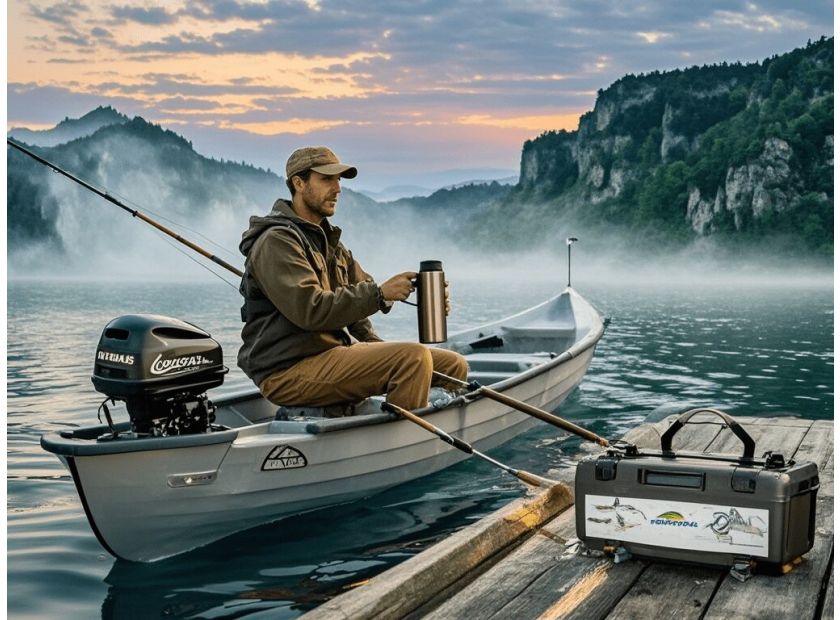
It was 2018, early October on Lake Texoma—you know, the one straddling Texas and Oklahoma. The air had that crisp, cool bite of fall, water temp sitting steady at 68°F, and a light northeast wind was churning up tiny whitecaps. I’d been on the water since 5 a.m., casting every lure in my tackle box: spinnerbaits, soft plastics, even that fancy topwater frog everyone raves about. Three hours in, and not a single bite. Not even a nibble. I was about to reel in for the day, grab a breakfast burrito in Denison, and call it quits for the weekend.
What Makes a Crank Lure So Special?
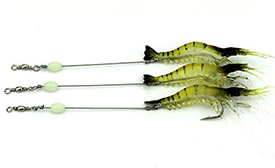
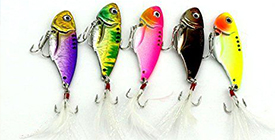
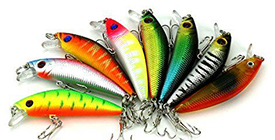
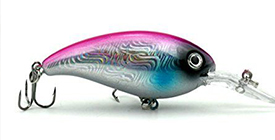
Let’s break it down, no fancy jargon. A crank lure is a hard-bodied fishing lure with a bill on the front that makes it dive and wiggle when you retrieve it. They mimic the look and movement of small fish, which is why everything from bass to walleye can’t resist them. Unlike Soft Lures that require a more finesse approach, crankbaits are all about covering water quickly—perfect for when you’re not sure where the fish are hiding.
The bill length dictates how deep the lure dives. Short bills (like ½ inch) are shallow divers, great for casting near the shoreline or over weeds. Long bills (3 inches or more) are deep divers, designed to reach those big bass hiding in 20+ feet of water near drop-offs or submerged structures. The jointed ones? They have extra wiggle, which can be a game-changer on slow days when the fish are feeling lazy.
Real Data from Real Fishing Trips
Over the years, I’ve kept a log of every fishing trip—what lures worked, water temps, weather, you name it. Here are some real numbers from three different US lakes that’ll help you pick the right crankbait:
- Lake Okeechobee, Florida (Summer 2022): Water temp was a steamy 82°F, and the bass were holed up in submerged vegetation. I used a shallow-diving LENPABY crankbait in a bluegill pattern. Over 4 hours, I caught 12 bass, all between 2 and 4 pounds. The shallow dive kept the lure above the weeds but close enough to the fish to trigger strikes.
- Lake Michigan, Wisconsin (Spring 2023): Water temp had just hit 58°F, and the walleye were moving into the shallows to spawn. A medium-diving crankbait in a silver and black pattern did the trick. In 6 hours, I landed 8 walleye, the biggest being 7 pounds. The steady retrieve mimicked the small minnows the walleye were feeding on.
- Lake Texoma, Texas (Fall 2023): Water temp was 65°F, same as that day in 2018. I used the same orange and black jointed crankbait. Caught 9 bass, including a 6-pound lunker that put up a fight I’ll never forget. The jointed design’s extra wiggle was key—those bass were in a sluggish mood, and the extra movement got their attention.
My Biggest Crank Lure Failures (and What I Learned)
I’ve had my share of failures too—more than I’d like to admit. One time, I was fishing on the Colorado River near Austin, Texas, in summer. Water temp was 85°F, and I was using a deep-diving crankbait. I cast it out, let it sink, and started retrieving. Nothing. For two hours, nothing. I was about to give up when a local fisherman walked by and asked what I was using. When I showed him, he laughed and said, “Son, in this heat, the bass are sitting on the surface, not 20 feet down. Try a shallow diver.” I switched to a shallow-diving LENPABY crankbait, and within 10 minutes, I caught a 3-pound bass. Lesson learned: always match the lure’s diving depth to where the fish are.
Another failure was on Lake Erie in Ohio. I was fishing for walleye in 30 feet of water, using a medium-diving crankbait. I caught a few small ones, but nothing big. Then I noticed that the other fishermen around me were using crankbaits with longer bills—deep divers. I swapped out my lure, let it sink to the bottom, and started a slow retrieve. Within minutes, I hooked into a 8-pound walleye. That taught me to pay attention to what the other fishermen are doing—they might have already figured out the best lure for the day.
How to Use a Crank Lure Like a Pro
Okay, so you’ve picked the right crankbait—now what? Here’s how to use it to maximize your catch:
- Cast and Retrieve: This is the most basic technique. Cast the lure out, let it sink to the desired depth, and retrieve it at a steady pace. The bill will make it dive and wiggle, attracting fish. Adjust your retrieve speed based on the water temp—faster in warm water, slower in cold water.
- Bounce It Off Structures: If you’re fishing near rocks, trees, or docks, let the crankbait bounce off them. The sudden movement can trigger a strike from nearby fish. Just be careful not to get the lure stuck—keep your rod tip up and reel slowly when you hit a structure.
- Stop and Go: Every so often, stop retrieving for a second or two. This makes the crankbait float up slightly, mimicking a wounded fish. It’s a great technique for when the fish are being picky.
Why I Keep Coming Back to LENPABY Crank Lures
I’ve tried a lot of crank lures over the years—some cheap, some expensive. But LENPABY’s stuff has become a staple in my tackle box. Here’s why:
- Durability: Their lures are made from hard plastic that can take a beating. I’ve bounced them off rocks, trees, and even a few boat hulls, and they still look as good as new.
- Realistic Designs: The patterns are spot-on. The bluegill, minnow, and crawfish patterns look so real, you’d think they were alive. This makes a huge difference in attracting fish.
- Consistent Diving Depth: I’ve tested a lot of crankbaits, and some don’t dive as deep as they claim. LENPABY’s lures are accurate—if the package says it dives 10-15 feet, it does exactly that.
- Affordable: You don’t have to break the bank to get a quality crankbait. LENPABY’s prices are reasonable, which means you can stock up on different patterns and diving depths without emptying your wallet.
Final Thoughts (and an Actionable Tip)
Crank lures are one of the most versatile and effective fishing lures you can have in your tackle box. They cover water quickly, mimic the movement of small fish, and work for a wide range of species. Whether you’re fishing for bass on Lake Okeechobee, walleye on Lake Michigan, or trout in the Colorado River, there’s a crankbait that’ll get the job done.
Here’s my actionable tip: the next time you go fishing, tie on a crankbait in a color that matches the local forage. If the lake has a lot of bluegills, use a bluegill-patterned crankbait. If it’s full of minnows, use a silver or white one. This simple trick can make a huge difference in your catch rate.
And if you’re looking for a quality crankbait, check out LENPABY’s stuff. They make great gear for both Freshwater Systems and saltwater, and their crank lures have never let me down. Trust me—you’ll be glad you did.


