




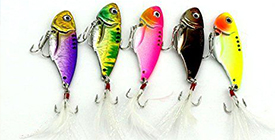
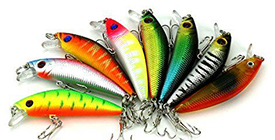
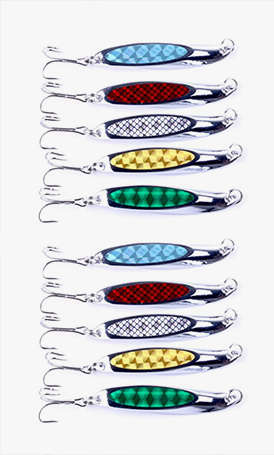

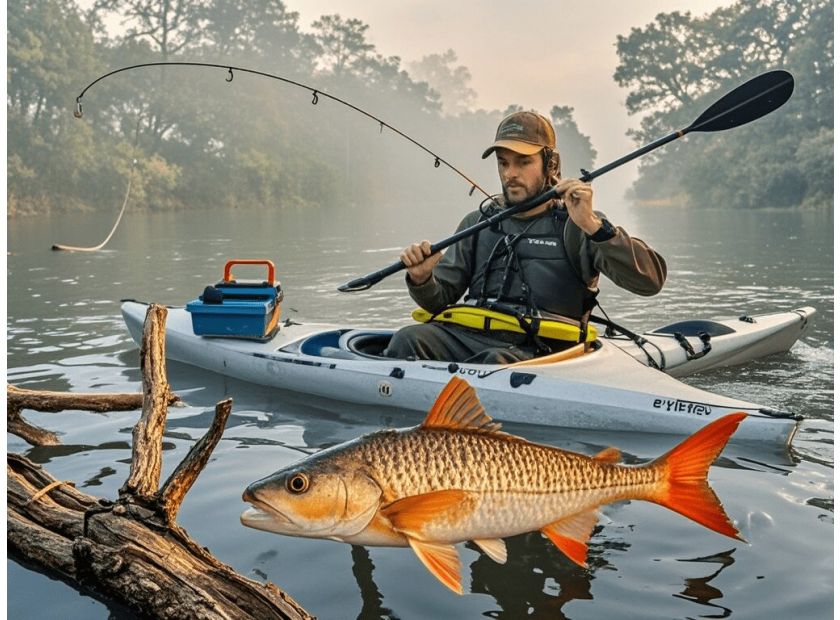
Okay, let’s set the scene. It was early October on Lake Okeechobee in Florida—you know, the "Big O"—and the air was thick with that sweet swamp scent mixed with a hint of fallen oak leaves. The sun was just peeking over the cypress trees, casting long shadows across the murky green water, and the temperature hovered around 70°F. I’d been up since 4 a.m., loading my boat with tackle, and my hands were still a little shaky from the pre-dawn coffee and excitement.
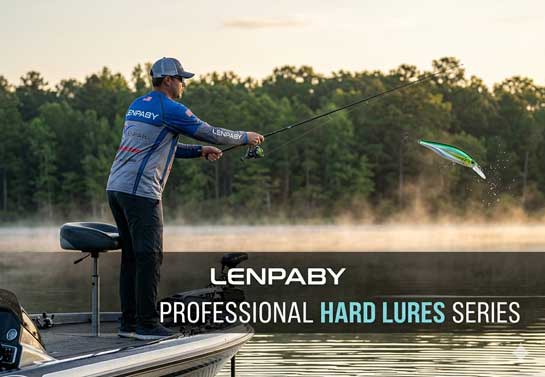
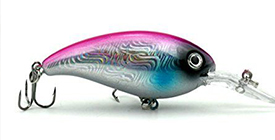
I’d heard from a buddy that the bass were schooling up near the Miller’s Landing area, so I made a beeline there. The water temp was 68°F, and I could see dark patches of hydrilla just beneath the surface. I tied on a LENPABY hard bait—a shad-colored crankbait with a tight wobble—and cast it out. The first few casts didn’t get a bite, and I started to second-guess my choice. Maybe I should’ve used one of those Soft Lures everyone’s been raving about?
But I stuck with it. On my sixth cast, as I was reeling in the crankbait through a gap in the hydrilla, there was a sharp tug that nearly pulled the rod out of my hands. I set the hook hard, and the fight was on. The bass dove deep, shaking its head, and I could feel the crankbait’s body vibrating through the line. After a few tense minutes, I hauled a 5-pound largemouth into the boat. The morning sun glinted off its green scales, and I felt a surge of pride. That hard bait had done its job.
That day, I caught three more bass over 4 pounds using the same LENPABY hard bait. By the time I headed back to the dock around noon, my cooler was full, and I was already planning my next trip. Hard baits aren’t just tools—they’re my secret weapon, and that day on Lake Okeechobee proved it.
Why Hard Baits Are My Go-To for Every Fishing Trip
Let’s talk about why I love hard baits so much. First off, they’re incredibly versatile. Whether I’m fishing for bass, walleye, trout, or panfish, there’s a hard bait that’s perfect for the job. I’ve used them in everything from clear mountain streams in Colorado to murky rivers in Texas, and they’ve never let me down.
One of the things I appreciate most about hard baits is their durability. Unlike soft plastics, which can tear or get damaged after a few bites, hard baits are built to last. I still have a crankbait that I’ve been using for five years—it’s got a few scratches, but it still catches fish like a champ. That’s the kind of reliability you can’t beat.
Hard baits also offer a lot of control. You can vary your retrieve speed, depth, and action to match the conditions. For example, on a cold, cloudy day, I’ll slow down my retrieve and use a bait with a wide wobble to mimic a dying minnow. On a hot, sunny day, I’ll speed things up and use a bait with a tight wobble to trigger a reaction strike. The options are endless.
And let’s not forget about the fun factor. There’s something about the way a hard bait hits the water with a splash and sinks that gets my heart racing. You never know when a fish is going to strike, and when it does, the feel of the bait vibrating through the line is unforgettable. It’s like a little jolt of adrenaline every time.
Crankbaits: The Workhorse of Hard Baits
If there’s one hard bait that I never leave home without, it’s a crankbait. Crankbaits are designed to dive to a specific depth when retrieved, and they have a wobbling action that mimics a baitfish. They’re perfect for covering a lot of water quickly, which is why I use them when I’m trying to locate fish.
When it comes to choosing a crankbait, depth is key. I keep a range of crankbaits in my tackle box that dive from 2 feet to 20 feet. For shallow water fishing—like around docks, lily pads, or submerged vegetation—I use a shallow-diving crankbait. For deeper water—like offshore humps or drop-offs—I use a deep-diving crankbait.
The color of the crankbait is also important. I usually stick to natural colors like shad, crawfish, or perch when the water is clear. If the water is murky or stained, I’ll use a brighter color like chartreuse or firetiger to make the bait more visible. And I always make sure to check the LENPABY website for the latest colors and styles—they have some really unique patterns that work great.
I’ve had some amazing success with crankbaits over the years. On a trip to Lake Texoma in Texas, the water temp was 72°F, and I was fishing for striped bass. I tied on a blueback herring-colored crankbait that dove to 15 feet, and I cast it out near a submerged structure. On my third cast, I got a bite that nearly pulled me overboard. It was a 20-pound striper, and it fought like a freight train. After a 20-minute battle, I finally got it into the boat. That crankbait was the reason I caught that fish.
Topwater Hard Baits: The Thrill of the Surface Strike
There’s nothing quite like a topwater strike. Seeing a fish explode out of the water to take your bait is one of the most exciting experiences in fishing. Topwater hard baits are designed to float on the surface of the water and mimic a struggling insect or baitfish, which triggers the fish’s predatory instincts.
My favorite time to use topwater hard baits is early in the morning or late in the evening, when the water is calm and the fish are feeding near the surface. I’ve had great success with them on Lake Michigan, where the salmon and trout are known to hit topwater baits during the summer months. The water temp was 74°F, and I was using a popper that made a loud "plop" when I twitched it. Every time I made a retrieve, a fish would strike, and the surface of the water would erupt in a shower of spray. It was absolutely thrilling.
One thing to keep in mind when using topwater hard baits is that you need to be patient. Sometimes the fish will follow the bait for a few feet before striking, so it’s important to let the bait sit for a second after you twitch it. If you reel in too quickly, you’ll miss the strike.
Another tip is to vary your retrieve. Sometimes a slow, steady retrieve works best, while other times a fast, erratic retrieve is more effective. I usually start with a slow retrieve and adjust based on the fish’s behavior. And if you’re fishing in an area with a lot of vegetation, make sure to use a topwater bait with a weed guard to prevent it from getting tangled.
Jerkbaits: The Perfect Bait for Clear Water
Jerkbaits are another type of hard bait that I use regularly. They’re designed to be jerked and paused, which mimics a wounded baitfish. This erratic action is perfect for triggering reaction strikes, especially in clear water where the fish can see the bait clearly.
When using jerkbaits, it’s important to use a light line—usually 8- to 12-pound test—and a medium-action rod. This will help you feel the bait’s action and set the hook properly. And if you’re fishing in deep water, you can use a sinking jerkbait to reach the fish.
I also like to use jerkbaits in the winter when the fish are more lethargic. The slow, erratic action of the jerkbait is perfect for getting them to bite when they’re not actively feeding. I’ve caught some of my biggest bass in the winter using this technique.
Spinnerbaits: The Bait That Gets Noticed
Spinnerbaits are a type of hard bait that features one or more metal blades that spin when the bait is retrieved. The spinning blades create a flash and vibration that attracts fish from a distance, making them perfect for fishing in murky or stained water.
I’ve used spinnerbaits with great success on the Trinity River in Texas. The water is usually murky due to runoff, and the bass are often hidden in submerged vegetation. I tied on a spinnerbait with a chartreuse and white skirt and a willowleaf blade, and I cast it out into the vegetation. The spinning blade created a lot of flash and vibration, and within a few minutes, I got a bite. It was a 4-pound largemouth bass that had been hiding in the hydrilla.
One of the things I like about spinnerbaits is that they’re easy to use. You can just cast them out and reel them in at a steady speed, and the blades will do all the work. But you can also vary your retrieve by adding pauses or jerks to make the bait more enticing.
Spinnerbaits are also very versatile. You can use them in a variety of conditions, from shallow water to deep water, and they work well for a wide range of fish species. I’ve used them to catch bass, walleye, pike, and even catfish.
If you’re new to spinnerbaits, I recommend starting with a 1/4-ounce bait with a single willowleaf blade. This size and blade type is perfect for most fishing conditions, and it’s easy to control. Once you get comfortable, you can experiment with different sizes and blade types to see what works best for you.
Choosing the Right Hard Bait for the Job
With so many different types of hard baits available, it can be overwhelming to choose the right one for the job. But once you understand the basics, it’s actually pretty simple. Here’s what I look for when selecting a hard bait:
- Water clarity: Clear water requires more realistic baits with natural colors. Murky water requires brighter colors and more vibration.
- Water depth: Shallow water requires shallow-diving baits or topwater baits. Deep water requires deep-diving baits or sinking baits.
- Weather conditions: Cold, cloudy days require slower, more erratic action. Hot, sunny days require faster, more aggressive action.
- Fish species: Different fish species have different feeding habits. Make sure to choose a bait that mimics their natural prey.
- Personal preference: At the end of the day, the best hard bait is the one that you’re comfortable using and that has worked well for you in the past.
I also like to keep a variety of hard baits in my tackle box so that I’m prepared for any situation. I have crankbaits, topwater baits, jerkbaits, spinnerbaits, and even some Squid Jigs for saltwater fishing. That way, no matter where I’m fishing or what the conditions are like, I have the right bait on hand.
Tips for Fishing Hard Baits Like a Pro
Now that you know the basics of hard baits, let’s talk about some tips for fishing them like a pro. These tips have helped me catch more fish over the years, and I’m sure they’ll help you too.
1. Match the hatch: One of the most important things you can do when using hard baits is to match the hatch. This means using a bait that looks and behaves like the natural prey that the fish are feeding on. For example, if the bass are feeding on shad, use a shad-colored crankbait or jerkbait. If they’re feeding on crawfish, use a crawfish-colored spinnerbait or crankbait.
2. Vary your retrieve: Don’t be afraid to experiment with different retrieve speeds and actions. Sometimes a slow, steady retrieve works best, while other times a fast, erratic retrieve is more effective. I usually start with a slow retrieve and adjust based on the fish’s behavior. If I’m not getting any bites, I’ll speed things up or add some pauses or jerks.
3. Use the right tackle: The tackle you use can have a big impact on your success when fishing hard baits. For crankbaits and spinnerbaits, I recommend using a medium-heavy action rod and a 10- to 12-pound test line. For topwater baits and jerkbaits, I recommend using a medium action rod and an 8- to 10-pound test line. And make sure to use a high-quality reel with a smooth drag system.
4. Fish structure: Fish love structure—things like docks, fallen trees, submerged vegetation, and rocky outcroppings. Hard baits are perfect for fishing around structure because they can be cast into tight spots and retrieved through gaps. When fishing around structure, make sure to use a bait with a weed guard to prevent it from getting tangled.
5. Be patient: Fishing with hard baits requires patience. Sometimes you’ll have to make dozens of casts before you get a bite. But if you stick with it, you’ll eventually catch a fish. And when you do, it’ll be worth all the time and effort.
6. Keep your bait sharp: A dull hook can mean the difference between a bite and a missed opportunity. Make sure to check your hooks regularly and replace them if they’re dull or damaged. I usually carry a hook sharpener with me on every fishing trip so that I can sharpen my hooks on the go.
7. Practice, practice, practice: Like any skill, fishing with hard baits takes practice. The more you fish, the better you’ll become at reading the water, selecting the right bait, and using the right techniques. So get out there and practice as much as you can.
8. Learn from your mistakes: Everyone makes mistakes when fishing. Maybe you chose the wrong bait, or you didn’t retrieve it correctly. The important thing is to learn from your mistakes and use that knowledge to improve your fishing in the future. Keep a fishing journal where you record the conditions, the bait you used, and the number of fish you caught. This will help you identify patterns and make better decisions on future trips.
My Favorite Hard Bait Success Stories
Over the years, I’ve had some amazing success stories with hard baits. Here are a few of my favorites:
Lake Okeechobee, Florida: As I mentioned earlier, this is where I caught my first 5-pound largemouth bass using a LENPABY hard bait. The water temp was 68°F, and I was fishing near the Miller’s Landing area. I tied on a shad-colored crankbait with a tight wobble and cast it out. On my sixth cast, I got a bite, and the rest is history.
Lake Michigan, Illinois: I was fishing for salmon and trout using a topwater popper. The water temp was 74°F, and the fish were hitting the bait hard. Every time I made a retrieve, a fish would strike, and the surface of the water would erupt in a shower of spray. I caught three salmon and two trout that day, and it was one of the most thrilling fishing experiences of my life.
Trinity River, Texas: I was fishing for bass using a spinnerbait with a chartreuse and white skirt. The water was murky, and the bass were hidden in the hydrilla. The spinning blade created a lot of flash and vibration, and within a few minutes, I got a bite. It was a 4-pound largemouth bass that put up a great fight.
Why I Trust LENPABY Hard Baits
When it comes to hard baits, I’ve tried a lot of different brands over the years. But none of them compare to LENPABY. Their hard baits are made from high-quality materials, and they’re designed to perform in even the harshest


