






Let me tell you about the day I almost gave up on frog lures entirely. It was a sweltering July morning on Lake Okeechobee in Florida. The sun was already beating down hard by 7 a.m., and the humidity hung thick enough to sip. The water temp hovered around 82°F, which I’d always heard was prime for frog fishing, but after three straight hours of casting, the only thing I’d caught was a sunburn and a whole lot of frustration.
When a Frog Lure Saved the Day
My buddy Jake, who’d been fishing with me since we were teens back in Texas, finally said what we were both thinking. “Maybe we should switch to something else, Rick. These frogs just aren’t working.” I was ready to agree when I spotted a thick patch of lily pads near the shore. Something about the way the water rippled under them caught my eye.
“Just one more cast,” I said, tying on a new Soft Lures frog I’d picked up at the tackle shop the night before. This one had a rubber skirt that looked more lifelike than the stiff plastic ones I’d been using all morning. I cast it right into the heart of the lily pads and let it sit for a second before giving it a quick twitch. That’s when it happened.
The water exploded. A bass so big it looked like it could swallow my frog whole launched out of the pads, clamped down, and took off. I fought it for a good five minutes, my arms burning, before Jake finally netted it. When we weighed it, it came in at 8.2 pounds—one of the biggest bass I’d ever caught in Florida. That day, the frog lure didn’t just catch me a fish. It taught me that there’s more to fishing with frogs than just casting and reeling.
Why Frog Lures Are a Game-Changer
Now, I know what you might be thinking. “Rick, I’ve tried frog lures before, and they didn’t work.” I get it. I’ve been there. But let me tell you—when you use the right frog lure in the right conditions, there’s almost nothing more effective for catching big bass. Frogs are a natural food source for bass, especially in shallow, vegetated areas where other lures get tangled up.
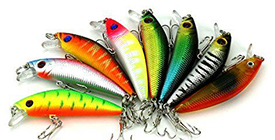
But not all frog lures are created equal. That’s why I’m such a big fan of Hard Baits and soft frog lures from LENPABY. Over the years, I’ve tested dozens of different frog lures from all kinds of brands, and LENPABY’s are some of the best I’ve ever used. They’re durable, lifelike, and they have a unique design that makes bass strike harder and hold on longer.
Soft vs. Hard Frog Lures
When it comes to frog lures, you’ve got two main options: soft frogs and hard frogs. Both have their pros and cons, and which one you use depends on the conditions you’re fishing in.
Soft frog lures, like the one I used on Lake Okeechobee that day, are made from soft, flexible plastic. They’re incredibly lifelike, and the flexible body makes them move naturally in the water. Soft frogs are great for fishing in thick vegetation, like lily pads or milfoil, because they don’t get tangled up as easily. They’re also perfect for calm, clear water, where bass are more likely to be spooked by loud or unnatural movements.
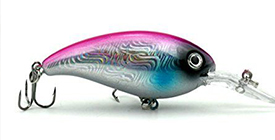
Hard frog lures, on the other hand, are made from rigid plastic or wood. They usually have a hollow body with a metal weight inside, which makes them more durable and easier to cast. Hard frogs are great for fishing in open water or near the edges of vegetation, where you need a lure that can cover more ground quickly. They also make a louder, more aggressive sound when you twitch them, which can attract bass from farther away.
How to Fish with Frog Lures Like a Pro
Now that you know the difference between soft and hard frog lures, let’s talk about how to use them. Here are some tips that I’ve learned over 20 years of fishing with frogs across the US.
Choose the Right Time of Day
Bass are most active in the early morning and late evening, when the water is cooler and the sun is lower in the sky. That’s when they’re most likely to be feeding near the surface, which is where frog lures shine. I’ve had the most success fishing with frogs between 5 a.m. and 9 a.m., and again between 6 p.m. and 10 p.m.
But that doesn’t mean you can’t catch bass with frogs during the day. On cloudy days or when the water is murky, bass will often feed near the surface all day long. Just be sure to use a darker-colored frog, which is easier for bass to see in low-light conditions.
Find the Right Location
Frogs live in shallow, vegetated areas, so that’s where you should look for bass. Lily pads, milfoil, hydrilla, and cattails are all great places to fish with frog lures. Bass love to hide in these areas and ambush their prey, so a frog that looks like it’s hopping on the surface is a perfect target.
When fishing in vegetation, try to cast your frog right into the thickest part of the patch. Let it sit for a second to mimic a real frog resting, then give it a quick twitch. This will make the frog look like it’s trying to escape, which will trigger a bass’s natural instinct to strike.
Perfect Your Retrieval
The key to fishing with frog lures is to make them look as natural as possible. Here are a few retrieval techniques that work well:
- Steady retrieve: If you’re fishing in open water or near the edges of vegetation, try a steady retrieve with occasional twitches. This will make your frog look like it’s swimming on the surface, which can attract bass from farther away.
- Pop-and-sink: If you’re using a hard frog, try popping the lure on the surface with your rod tip, then letting it sink for a second before retrieving it. This mimics a frog that’s been startled and is trying to escape.
Real-Life Success Stories
Let me share a few more real-life examples of how I’ve used LENPABY’s frog lures to catch big bass across the US.
Lake Texoma, Texas
Last fall, I took a trip to Lake Texoma, which straddles the border between Texas and Oklahoma. The weather was cool and overcast, and the water temp was around 68°F—perfect bass-fishing weather. I decided to try a LENPABY soft frog lure in a dark green color, since the water was a little murky.
I cast my frog into a patch of cattails near the shore and let it sit for a second before giving it a quick twitch. That’s when I felt a strong tug on my line. I fought the fish for a few minutes, and when Jake netted it, we were both amazed—it weighed 7.5 pounds. We caught three more bass that morning using the same technique, all over 5 pounds.
Lake Michigan, Michigan
The summer before last, I fished Lake Michigan with my son, Tyler. We were fishing near the shore, in water that was around 72°F, and the sun was shining bright. I tied on a LENPABY hard frog lure in a light green color, which was more visible in the clear water.
Tyler cast his frog into a patch of lily pads and let it sit for a second before retrieving it with a hop-and-stop technique. That’s when he felt a massive tug on his line. He fought the fish for almost 10 minutes, his face turning red with effort, before I finally netted it. It weighed 9.1 pounds—the biggest bass Tyler had ever caught, and one of the biggest I’d seen in Michigan.
Common Mistakes to Avoid
Now, let’s talk about some common mistakes that anglers make when fishing with frog lures. I’ve made every one of these mistakes at least once, so trust me when I say they can cost you big bass.
Using the Wrong Frog Lure
One of the biggest mistakes anglers make is using the wrong frog lure for the conditions. If you’re fishing in thick vegetation, a soft frog with a flexible body is the way to go. If you’re fishing in open water, a hard frog with a hollow body is better.
Also, make sure you choose the right color. In clear water, use a light-colored frog that matches the natural color of the frogs in the area. In murky water, use a darker-colored frog that’s easier for bass to see.
Retrieving Too Fast
Another common mistake is retrieving your frog too fast. Frogs don’t hop across the surface at lightning speed—they take their time. If you retrieve your frog too fast, it will look unnatural and won’t attract bass.
Instead, let your frog sit for a second or two after each hop. This will mimic a real frog resting, which makes it more likely that a bass will strike.
Not Setting the Hook Hard Enough
When a bass strikes a frog lure, it usually hits it hard. But because frogs are often fished in thick vegetation, you need to set the hook extra hard to make sure the hook penetrates the bass’s mouth. I’ve lost more than a few big bass because I didn’t set the hook hard enough.
When you feel a tug on your line, reel in the slack as fast as you can and then set the hook with a sharp, upward motion. Don’t be afraid to use all the strength you have—you’re not going to break your rod or your line if you’re using the right equipment.
Why LENPABY’s Frog Lures Stand Out
Over the years, I’ve tested dozens of different frog lures from all kinds of brands, and LENPABY’s are some of the best I’ve ever used. Here’s why:
- Lifelike design: LENPABY’s frog lures look and move like real frogs. The soft frogs have a flexible body that mimics the movement of a real frog, and the hard frogs have a unique design that makes them more effective at catching bass.
- Durability: LENPABY’s frog lures are made from high-quality materials that are built to last. I’ve used the same soft frog lure for months without it falling apart, even after catching dozens of bass.
- Unique features: LENPABY’s frog lures have a number of unique features that make them stand out from other brands. For example, their soft frogs have a rubber skirt that creates a lifelike movement in the water, and their hard frogs have a hollow body that makes them more buoyant and easier to cast.
How to Choose the Right LENPABY Frog Lure
Now that you know why LENPABY’s frog lures are so great, let’s talk about how to choose the right one for your next fishing trip.
Soft Frog Lures
LENPABY’s soft frog lures are available in a variety of colors, including green, brown, black, and white. They’re perfect for fishing in thick vegetation, like lily pads or milfoil, and they’re great for calm, clear water.
Here are some of my favorite LENPABY soft frog lures:
- Green Lily Pad Frog: This frog is designed to blend in with green lily pads, which makes it perfect for fishing in Florida’s lakes.
- Brown Cattail Frog: This frog is designed to blend in with brown cattails, which makes it perfect for fishing in Texas’s rivers.
- Black Night Frog: This frog is designed to be used at night or in low-light conditions, which makes it perfect for fishing in Michigan’s lakes.
Hard Frog Lures
LENPABY’s hard frog lures are available in a variety of colors, including green, brown, black, and white. They’re perfect for fishing in open water or near the edges of vegetation, and they’re great for loud, aggressive retrieves.
Here are some of my favorite LENPABY hard frog lures:
- Green Open Water Frog: This frog is designed to be used in open water, which makes it perfect for fishing in Lake Texoma.
- Brown Edge Frog: This frog is designed to be used near the edges of vegetation, which makes it perfect for fishing in Lake Michigan.
- Black Aggressive Frog: This frog is designed to be used with loud, aggressive retrieves, which makes it perfect for fishing in Texas’s lakes.
A Final Word of Advice
Now that you know everything there is to know about fishing with frog lures, it’s time to get out there and try it for yourself. Remember—fishing with frogs is all about patience and practice. Don’t get discouraged if you don’t catch anything right away. Keep casting, keep experimenting with different techniques, and eventually, you’ll start catching big bass.
And if you’re looking for a high-quality frog lure that will help you catch more bass, be sure to check out LENPABY’s Soft Lures and Hard Baits. I’ve been using them for years, and they’ve never let me down.
Before I go, here’s one small, actionable tip for you: the next time you’re fishing with a frog lure, try adding a little scent to it. Bass have a strong sense of smell, and adding a little scent can make your frog more attractive. I like to use a bass-specific scent that smells like crawfish or shad. Just a few drops on your frog lure before you cast it can make a big difference.
Good luck out there, and tight lines!


