




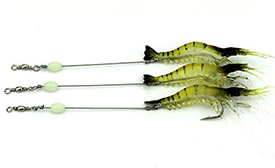
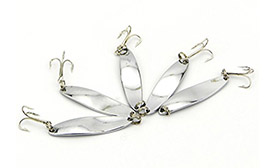

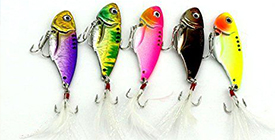
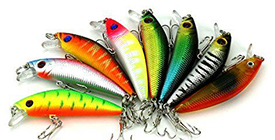
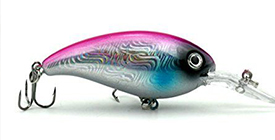
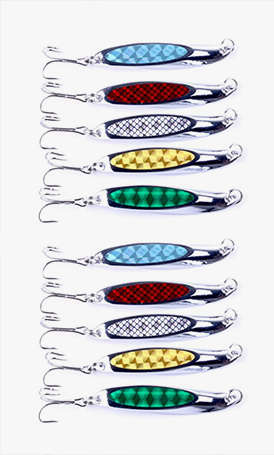

Last September, I was out on Lake Okeechobee in Florida—you know, that massive, sun-drenched lake that’s basically a bass angler’s dream? The air was thick with humidity, the kind that clings to your skin before the sun even hits 8 a.m., and the water was glass-calm. I’d been after bluegill and crappie with live bait all morning, but the bite was so slow it was almost painful. Honestly, I was about to pack it up and head to the marina for some coffee when I noticed a pod of mullet jumping near the shore. That’s when I remembered my old tackle box had a pack of squid jigs I’d picked up years ago but never really used. I tied one on—a small, pink-and-silver Penceil Vib Lure that looked just like a tiny squid—and cast it near where the mullet were splashing. Within 30 seconds, I felt a sharp tug, and when I reeled it in, there was a 12-inch crappie hanging off the hook. Let me tell you, that changed my entire day.
The First Time Squid Jigs Saved My Fishing Trip
After that initial bite, I spent the rest of the morning casting that pink squid jig around submerged tree stumps in about 10 feet of water. The water temp was 68°F, which I later learned is perfect for crappie feeding. Every time I let the jig sink to the bottom and gave it a slow, twitching retrieve, I’d get a hit. By noon, I had a cooler full of crappie and even a few bluegill that had mistaken the jig for a small minnow. That day taught me something important: squid jigs aren’t just for saltwater fishing—they’re a game-changer in freshwater too.
For years, I’d written off squid jigs as a niche tackle item. I thought they were only good for catching actual squid out in the ocean, like the ones I’d seen fishermen using off the coast of Galveston, Texas. But that trip to Lake Okeechobee showed me how versatile they really are. The lifelike tentacles on the jig create a natural, wiggling movement in the water that drives fish crazy. And the bright colors—pink, chartreuse, silver—are impossible for fish to ignore, especially on cloudy days or in murky water.
What Makes Squid Jigs So Effective
Another key factor is the way squid jigs are weighted. Most have a heavy head that allows them to sink quickly to the bottom, where many fish species feed. When you retrieve them with a slow, twitching motion, the jig bounces along the bottom, kicking up small clouds of sediment that mimic the way a real squid would move. This triggers a predatory response in fish, making them strike at the jig without even thinking twice. And if you’re fishing in deeper water, the heavy head ensures the jig stays at the right depth, so you don’t have to waste time adjusting your line.
My First Failure with Squid Jigs
Of course, I didn’t become a squid jig expert overnight. A few weeks after my Lake Okeechobee trip, I decided to test my newfound knowledge on Lake Texoma, which straddles the border between Texas and Oklahoma. I’d heard that Lake Texoma had a healthy population of striper, and I was determined to catch one with my squid jig. The weather was overcast, and the water temp was 72°F—perfect striper conditions, or so I thought.
I tied on a large, blue-and-silver Popper Lure that I’d seen other fishermen using, and I cast it out towards a drop-off. I retrieved it with a fast, jerky motion, expecting a striper to strike at any moment. But after an hour of casting and reeling, I didn’t get a single hit. I was starting to get frustrated when I noticed a group of fishermen nearby using live shad. They were catching striper after striper, while I was sitting there with an empty cooler. Let me tell you, that was humbling.
I decided to swallow my pride and ask one of the fishermen what I was doing wrong. He looked at my squid jig and laughed. “Striper around here like their bait to be slow and steady,” he said. “That fast retrieve you’re using is scaring them off.” He showed me how to let the jig sink to the bottom and then retrieve it with a slow, steady pull, giving it a twitch every few seconds. I tried his method, and within 10 minutes, I felt a huge tug on my line. When I reeled it in, there was a 15-inch striper hanging off the hook. I thanked him profusely, and the rest of the day was a success.
How to Choose the Right Squid Jig
Now that I’ve learned the hard way, I always make sure to choose the right squid jig for the fish species and water conditions I’m targeting. Here are a few tips I’ve picked up over the years:
- Size matters: Use small jigs (1-2 inches) for panfish like crappie and bluegill, and larger jigs (3-4 inches) for bigger fish like striper and redfish.
- Color is key: Bright colors like pink, chartreuse, and silver work best in murky water or on cloudy days, while natural colors like brown and green are better for clear water.
- Weight for depth: Use lighter jigs (1/8 ounce) for shallow water and heavier jigs (1/4 ounce or more) for deeper water. This ensures the jig sinks to the right depth and stays there.
- Material matters: Look for jigs with rubber or silicone tentacles, as they create the most natural movement in the water. Avoid jigs with plastic tentacles, as they can be stiff and unnatural-looking.
Where to Use Squid Jigs in the US
Over the past few years, I’ve used squid jigs in some of the most popular fishing spots across the US. Here are a few of my favorites:
Lake Okeechobee, Florida: This is where my love for squid jigs started. The shallow, murky water is perfect for pink and chartreuse jigs, and the crappie and bluegill bite is incredible year-round. I like to fish near submerged tree stumps in about 10 feet of water, using a slow, twitching retrieve.
Lake Michigan, Michigan/Indiana/Illinois/Wisconsin: Lake Michigan is home to a wide range of fish species, including perch, walleye, and salmon. I’ve had great luck using small, silver squid jigs to catch perch in the shallower parts of the lake, especially near the shoreline. For walleye, I use larger jigs with a slow, steady retrieve.
Galveston Bay, Texas: Galveston Bay is a saltwater fisherman’s paradise, with plenty of redfish, flounder, and speckled trout. I like to use pink and silver squid jigs to catch redfish near the marsh grass, using a slow, bouncing retrieve. The flounder love the jigs too—just make sure to fish near the bottom, where they like to hide.
My Favorite Squid Jig Techniques
Now that I know how to choose the right squid jig, let’s talk about some techniques I’ve found to be effective. The most important thing to remember is that every fish species is different, so you’ll need to adjust your technique based on what you’re targeting. Here are a few of my go-to methods:
Slow, Twitching Retrieve for Panfish
This is the technique that saved my trip to Lake Okeechobee. For panfish like crappie and bluegill, I let the jig sink to the bottom and then give it a slow, twitching retrieve. I’ll reel in a few inches of line, then stop and twitch the rod tip a few times. This creates a natural, wiggling movement in the water that drives panfish crazy. I like to fish near submerged tree stumps or brush piles, as these are popular hiding spots for panfish.
Bouncing Retrieve for Striper
This is the technique the fisherman taught me on Lake Texoma. For striper, I let the jig sink to the bottom and then retrieve it with a slow, steady pull, giving it a twitch every few seconds. The key is to make the jig bounce along the bottom, kicking up small clouds of sediment. This mimics the way a real squid would move, and it triggers a predatory response in striper. I like to fish near drop-offs or underwater ledges, as these are popular feeding spots for striper.
Fast, Jerky Retrieve for Bass
While bass are more commonly associated with frogs, worms, and crankbaits, they’ll also strike at squid jigs if you use the right technique. For bass, I use a fast, jerky retrieve that makes the jig dart across the surface of the water. This creates a lot of movement and noise, which attracts bass from a distance. I like to fish near lily pads or docks, as these are popular hiding spots for bass. And if you’re fishing in murky water, use a bright chartreuse or pink jig to make it more visible.
Final Thoughts
Squid jigs have become a staple in my tackle box over the past few years. They’re versatile, effective, and affordable—everything a fisherman could ask for. Whether I’m fishing for crappie in Lake Okeechobee, striper in Lake Texoma, or bass in my local pond, I always make sure to have a few squid jigs on hand. And if you’re new to squid jigs, don’t be afraid to experiment with different sizes, colors, and techniques. You never know what you might catch.
Actionable Tip: Next time you’re out fishing and the bite is slow, try tying on a pink or chartreuse squid jig and using a slow, twitching retrieve. You might be surprised at how many fish you catch. And if you’re looking for high-quality squid jigs, check out the selection at LENPABY—they have some of the best jigs I’ve ever used.


