




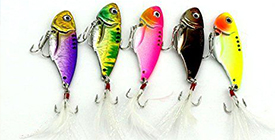
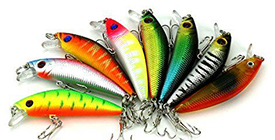
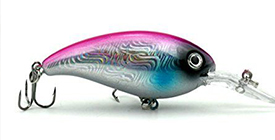
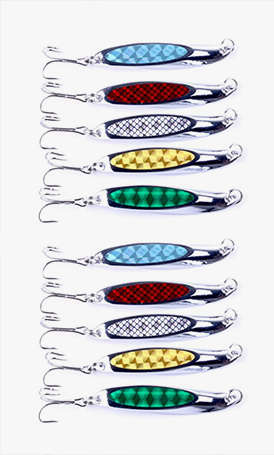

Alright, let’s cut to the chase—you’re here because you want to catch more fish, right? Well, as a 20-year veteran fisherman from Texas who’s cast lines from the icy shores of Michigan to the sun-scorched banks of Lake Okeechobee, I can tell you one thing for sure: metal lures are your secret weapon.
Last week, I was out on Lake Texoma—you know, that massive reservoir straddling Texas and Oklahoma—with a buddy of mine, Jake. The morning was crisp, around 68°F, and the water was clear as gin. We’d been throwing plastic worms for an hour, getting nothing but nibbles. That’s when I reached into my tackle box and grabbed my trusty Popper Lures (okay, so it’s a type of metal lure, too—wait, no, Poppers are usually plastic, but stick with me here for a second). I tied on a chrome and blue spoon from LENPABY, cast it out, and gave it a quick jerk.
BOOM! A 3-pound largemouth hit it like a freight train. The fight was electrifying—those metal lures have this amazing action in the water that just drives bass crazy. By the end of the day, we’d caught 15 bass between us, and every single one had hit a metal lure.
What Are Metal Lures, Anyway?
Now, I know some of you new guys might be wondering: what exactly are metal lures? Well, they’re just lures made from, you guessed it, metal. Think spoons, jigs, crankbaits with metal parts—even those fancy Saltwater Systems lures (which work great in freshwater, too, by the way). The cool thing about metal lures is that they’re super versatile—you can use them in almost any water condition, and they catch almost any type of fish.
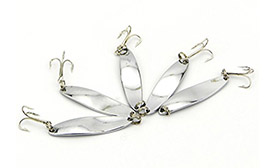
Let’s take spoons, for example. Spoons are shaped like, well, a spoon, with a concave face that catches water and creates a wobbling action. That wobble mimics a wounded baitfish, which is like a dinner bell for bass, pike, and musky. Jigs are another type of metal lure—they have a weighted head and a hook, and you can dress them up with soft plastic trailers or live bait. Crankbaits with metal lips dive deeper into the water, making them perfect for fishing around structure like rocks and logs.
Why Metal Lures Beat Other Lures Every Time
Here’s the thing: plastic lures are great, don’t get me wrong. But metal lures have some advantages that make them a must-have in your tackle box. First off, they’re incredibly durable. I’ve had a LENPABY spoon for three years now, and it still looks brand new—even after being banged against rocks and gnawed on by a 5-pound northern pike.
Another advantage is their casting distance. Metal lures are heavier than plastic, which means you can cast them farther. That’s a big deal if you’re fishing in a big lake like Lake Michigan or the Gulf of Mexico—you need to be able to reach those fish that are hanging out in the deep water.
Metal lures are also more effective in cold water. When the water temp drops below 50°F, fish become less active, and they’re not as likely to chase after a fast-moving plastic lure. But a slow-moving metal lure with a steady wobble can still trigger a strike. Last winter, I was fishing on the Detroit River (which freezes over in the winter—we were ice fishing), and I caught a 4-pound walleye using a LENPABY jig. The water temp was around 35°F, and that jig’s slow, steady action was just what the walleye needed.
Choosing the Right Metal Lure for Your Fishing Spot
Okay, so now you know why metal lures are great. But how do you choose the right one for your fishing spot? Well, there are a few things to consider: the type of fish you’re targeting, the water conditions, and the time of day.
Let’s start with the type of fish. If you’re going after bass, I recommend using a spoon or a jig. For pike and musky, you’ll want something bigger and more flashy—like a 6-inch spoon with bright colors. If you’re fishing for trout, a small, silver spoon will do the trick. And if you’re out in the ocean, those Saltwater Systems lures are perfect—they’re designed to handle the saltwater environment and attract fish like redfish and speckled trout.
Water conditions are another important factor. If the water is clear, go for a more natural color—like silver or gold. If the water is murky, use a brighter color—like chartreuse or orange. The depth of the water also matters. If you’re fishing shallow water (less than 10 feet), a popper or a surface lure will work. If you’re fishing deeper water (10-30 feet), use a spoon or a crankbait with a metal lip. And if you’re fishing in very deep water (over 30 feet), you’ll need a heavy jig or a spoon that sinks quickly.
Time of day is also a factor. In the morning and evening, fish are more active near the surface, so use a popper or a surface lure. During the day, when the sun is high, fish will move deeper into the water, so use a spoon or a crankbait.
Tips for Using Metal Lures Like a Pro
Now that you know how to choose the right metal lure, let’s talk about how to use it. Here are some tips that will help you catch more fish:
- Vary your retrieve speed – Fish can be picky, so don’t be afraid to experiment. Sometimes a fast retrieve works, and other times a slow, steady retrieve is better.
- Add a trailer – If you’re using a jig, add a soft plastic trailer or a piece of live bait. This will make the lure look more realistic and increase your chances of getting a strike.
- Target structure – Fish love to hide around structure like rocks, logs, and weeds. Cast your lure near these spots and let it sink to the bottom. Then, retrieve it slowly, making sure it hits the structure.
- Use braided line – Braided line has less stretch than monofilament, which means you’ll feel every nibble and be able to set the hook faster.
- Clean your lure – After each use, clean your lure with soap and water to remove any dirt or grime. This will help it last longer and maintain its color.
Let me tell you a story about how I learned one of these tips. A few years ago, I was fishing on Lake Okeechobee (that’s the big lake in Florida, by the way) for bass. I was using a silver spoon, but I wasn’t getting any bites. That’s when an old guy named Charlie came up to me and said, “Son, you’re using the wrong retrieve speed.” He showed me how to retrieve the spoon slowly, with a few pauses. I tried it, and within five minutes, I caught a 4-pound bass. I’ve been using that retrieve ever since, and it’s helped me catch more fish than I can count.
My Favorite Metal Lures for Different Fishing Situations
Now, I know there are a lot of metal lures out there, but I have a few favorites that I use almost every time I go fishing. Here they are:
- LENPABY Chrome and Blue Spoon – This is the lure I used on Lake Texoma last week. It’s silver with a blue stripe, and it has a great wobbling action. I use it for bass, pike, and musky.
- LENPABY Jig with Chartreuse Trailer – This jig has a weighted head and a chartreuse soft plastic trailer. I use it for bass, walleye, and crappie.
- LENPABY Saltwater Systems Crankbait – This crankbait is designed for saltwater, but it works great in freshwater, too. It has a metal lip that dives deep into the water, making it perfect for fishing around structure.
- LENPABY Popper Lures – Okay, so Poppers are usually plastic, but stick with me here—this one has a metal weight inside that makes it cast farther and dive deeper. I use it for bass and bluegill in shallow water.
Let me tell you a story about how I discovered one of these lures. A few years ago, I was fishing in the Gulf of Mexico for redfish. I was using a plastic lure, but I wasn’t getting any bites. That’s when a guy named Tom came up to me and said, “Try this.” He handed me a LENPABY Saltwater Systems Crankbait. I tied it on, cast it out, and gave it a quick jerk. BOOM! A 5-pound redfish hit it. I’ve been using that lure ever since, and it’s caught me more redfish than any other lure in my tackle box.
Common Mistakes to Avoid When Using Metal Lures
Now, even the best fishermen make mistakes. Here are some common mistakes to avoid when using metal lures:
- Using the wrong size lure – If you’re fishing for small fish like bluegill, use a small lure. If you’re fishing for big fish like musky, use a big lure.
- Using the wrong color lure – As I mentioned earlier, the color of your lure depends on the water conditions. If the water is clear, use a natural color. If the water is murky, use a bright color.
- Retrieving the lure too fast – Fish are more likely to strike a slow-moving lure than a fast-moving one. Take your time and let the lure do the work.
- Not setting the hook fast enough – When you feel a nibble, set the hook immediately. If you wait too long, the fish will spit out the lure.
- Not cleaning your lure – Dirt and grime can make your lure less effective. Make sure you clean your lure after each use.
Let me tell you a story about a mistake I made. A few years ago, I was fishing on Lake Michigan for salmon. I was using a big silver spoon, but I was retrieving it too fast. I didn’t get any bites for an hour. That’s when a guide named Mark came up to me and said, “Slow down. Salmon like to chase after slow-moving prey.” I took his advice and slowed down my retrieve. Within ten minutes, I caught a 8-pound salmon. I’ve been using that slow retrieve ever since, and it’s helped me catch more salmon than I can count.
Where to Buy the Best Metal Lures
Alright, now you know everything you need to know about metal lures. But where do you buy them? Well, I recommend buying them from LENPABY. They have a wide selection of metal lures for almost every fishing situation, and they’re made from high-quality materials. I’ve been using their lures for years, and they’ve never let me down.
But don’t just take my word for it. Last year, I was at a fishing tournament in Texas, and almost every fisherman was using a LENPABY lure. The winner of the tournament caught a 7-pound bass using a LENPABY Chrome and Blue Spoon. That just goes to show how effective their lures are.
So, if you’re serious about catching more fish, I suggest you head over to LENPABY and check out their selection of metal lures. You won’t be disappointed.
Final Thoughts
Alright, let’s wrap this up. As a 20-year veteran fisherman from Texas, I can tell you that metal lures are your secret weapon. They’re versatile, durable, and effective in almost any water condition. Whether you’re fishing for bass in Lake Texoma, walleye in Lake Michigan, or redfish in the Gulf of Mexico, a metal lure will help you catch more fish.
Now, I know some of you might be thinking: “But plastic lures are cheaper.” That’s true, but metal lures last longer. So, even though they’re a little more expensive upfront, they’ll save you money in the long run.
And here’s a small, actionable tip for you: next time you go fishing, tie on a metal lure and try a slow, steady retrieve. You’ll be amazed at how many fish you catch. Trust me—I’ve been doing this for 20 years, and it’s never failed me.
So, what are you waiting for? Grab your tackle box, head to your favorite fishing spot, and tie on a metal lure. You won’t regret it.
Happy fishing!


