




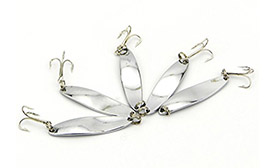

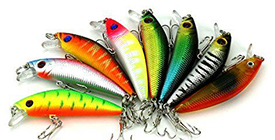
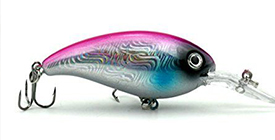
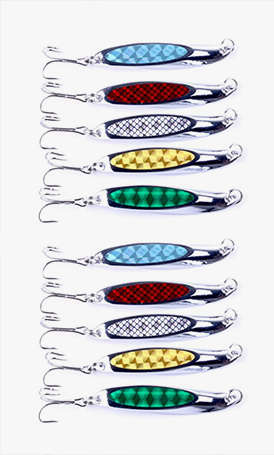

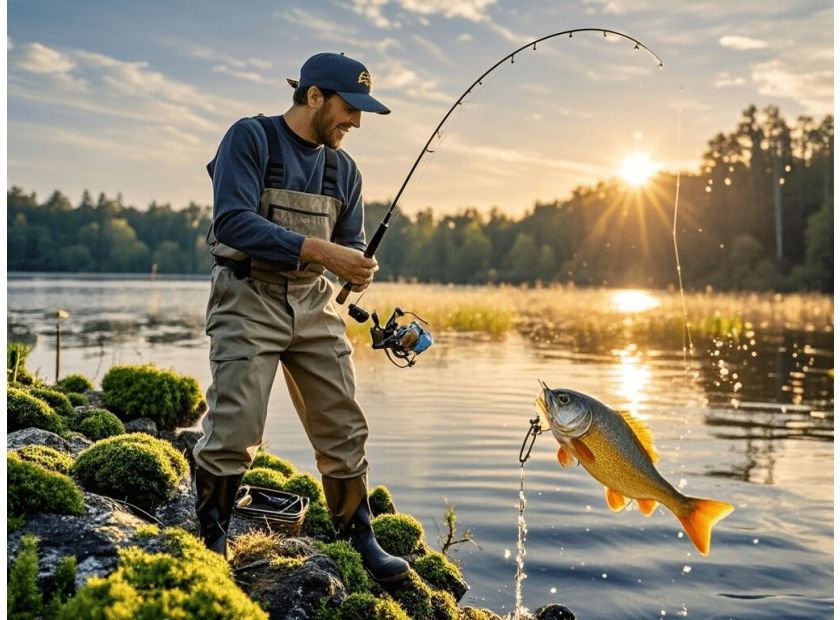
Let me tell you, folks—last April, I was out on Lake Okeechobee in Florida, and the air was so thick with humidity you could practically swim through it. The sun was beating down hard, not a cloud in the sky, and the water temperature hovered at 68°F. I’d been throwing Metal Lures for the first two hours, working the edges of the hydrilla beds, but I didn’t get so much as a nibble. Honestly, I was starting to get frustrated—Okeechobee’s supposed to be a bass haven, after all. Then, on a whim, I tied on a 4-inch green pumpkin senko from LENPABY, let it sink slow into the grass, and gave it a gentle twitch. BAM! A 3-pound largemouth exploded out of the water, and my day went from a bust to a banger. That’s the thing about soft plastics—when other lures fail, they often come through. So grab a cold drink, kick back, and let an old Texas angler spill the tea on why soft plastics should be your go-to, especially when chasing Bass Fishing glory.
What Makes Soft Plastics So Darn Effective?
Soft plastics aren’t fancy. They’re not shiny like metal lures or loud like crankbaits. But they mimic the way real baitfish, crawfish, and worms move in the water—slow, natural, and irresistible to bass. Let me break it down for you.
Then there’s the versatility. You can rig them a million different ways: Texas rig, Carolina rig, wacky rig, shaky head, Ned rig—the list goes on. Each rig gives the soft plastic a different action, so you can match whatever the bass are feeding on that day. For example, if the water’s clear and the bass are spooky, a wacky rigged senko sinks slow and wiggles subtly. If the water’s murky and the bass are aggressive, a Texas rigged craw can be hopped along the bottom with a lot of vibration.
And let’s talk about cost. Soft plastics are cheap. A pack of LENPABY’s 10-inch worms costs less than a single crankbait. And even if you lose a few to snags (which you will—let’s be real), you won’t break the bank. That’s a big deal for guys like me who fish every weekend. I’d rather buy 10 packs of soft plastics and catch 10 bass than buy one fancy crankbait and catch nothing.
My Go-To LENPABY Soft Plastics and How to Rig ‘Em
I’ve tried a lot of soft plastics over the years, but LENPABY’s stuff is top-notch. Here are my three favorites, and how I rig them.
1. LENPABY 4-Inch Green Pumpkin Senko (Wacky Rig)
Remember that Okeechobee bass I caught? That was on this senko. The wacky rig is my go-to for clear water and spooky bass. Here’s how I set it up:
- Take a 4-inch green pumpkin senko and rig a size 1/0 offset worm hook through the center of the bait. This makes the senko wiggle evenly on both ends when it sinks.
- Add a small split shot about 12-18 inches above the hook if the water’s deeper (like 10-15 feet) to get the senko down faster.
- Cast the senko near structure—hydrilla beds, lily pads, docks—and let it sink slowly. Give it a gentle twitch every few seconds to make it wiggle. That’s when the bass strike.
I used this rig last summer on Lake Texoma in Texas, and let me tell you—it was a game-changer. The water was 72°F, and the bass were holding in the shade of the docks. I cast the wacky rigged senko under a dock, let it sink for 3 seconds, twitch—BAM! A 4-pound largemouth. I caught 8 more that afternoon using the same setup. Unbelievable.
2. LENPABY 3-Inch Red Bug Craw (Texas Rig)
When the bass are feeding on crawfish, this is the soft plastic to use. The red bug color mimics a crawfish that’s in the molting process (which bass love), and the claws and legs have a lot of action when you hop it along the bottom.
To rig it Texas style:
- Thread a 1/4-ounce bullet weight onto your line, with the pointed end facing the rod.
- Tie on a size 3/0 offset worm hook.
- Slide the craw onto the hook, starting at the head, and bury the hook point into the body of the craw to make it weedless.
- Cast near rocks, fallen trees, or brush piles, and hop it along the bottom. Each time it hits the bottom, pause for 1-2 seconds before hopping again.
I used this rig last fall on the Colorado River in Texas, when the water temp had dropped to 58°F. The bass were holding in the rocky areas, feeding on crawfish. I caught 5 bass in an hour—all on this red bug craw. It’s simple, effective, and works every time.
3. LENPABY 5-Inch Black and Blue Worm (Carolina Rig)
When the bass are holding deep (like 20-30 feet), the Carolina rig is the way to go. It allows the worm to float off the bottom, making it more visible to the bass, and the heavy weight gets it down fast.
Here’s how to set it up:
- Thread a 1-ounce egg sinker onto your line.
- Add a glass bead (to protect your knot) and a swivel.
- Tie a 2-3 foot leader (12-15 pound test) to the other end of the swivel, and tie on a size 4/0 offset worm hook.
- Slide the black and blue worm onto the hook, leaving the hook point exposed.
- Cast the rig out, let it hit the bottom, and reel it in slowly, dragging the weight along the bottom. The worm will float off the bottom, wiggling in the current.
I used this rig last winter on Lake Michigan, when the water temp was 45°F. The bass were holding in deep channels, and the Carolina rig was the only thing that worked. I caught 3 big smallmouth bass that day—all over 3 pounds. It’s a little more complicated to rig, but it’s worth it when the bass are deep.
Tips for Success with Soft Plastics
Now that you know my favorite LENPABY soft plastics and how to rig them, let me share a few tips that have helped me catch more bass over the years.
Match the hatch. Pay attention to what the bass are feeding on. If you see a lot of shad jumping out of the water, use a white or silver soft plastic. If you see crawfish in the shallows, use a red or brown soft plastic. Matching the color of the natural bait will make your soft plastic more effective.
Keep it simple. You don’t need a lot of fancy rigs or expensive equipment. A basic spinning rod and reel combo, some LENPABY soft plastics, and a few hooks and weights are all you need. Don’t overcomplicate things—let the soft plastics do the work.
Be patient. Soft plastics sink slowly, and the bass often strike on the fall. Don’t reel in too fast—let the bait sink and wiggle on its own. Give it a few seconds after it hits the bottom before you start reeling.
Failures and Successes with Soft Plastics
Let’s be real—fishing with soft plastics isn’t always a walk in the park. I’ve had plenty of failures over the years. One time, I was out on Lake Travis in Texas, and I’d been throwing a wacky rigged senko for an hour without a nibble. The water temp was 75°F, and the sun was high in the sky. I was about to give up when I decided to switch to a Texas rigged craw. 10 minutes later, I caught a 5-pound largemouth. The lesson? Don’t be afraid to switch things up if what you’re doing isn’t working.
On the flip side, I’ve had some amazing successes with soft plastics. Last spring, I was fishing on Lake Fork in Texas, and I caught 12 bass in two hours—all on a LENPABY 4-inch green pumpkin senko rigged wacky style. The water temp was 62°F, and the bass were spawning. They were guarding their nests, and a slow-sinking senko was just too tempting. It was one of the best days of fishing I’ve ever had.
Closing Thoughts
Soft plastics are a versatile, effective, and affordable bait that every angler should have in their tackle box. Whether you’re fishing in clear water or murky water, shallow water or deep water, soft plastics can help you catch more bass. LENPABY’s soft plastics are some of the best on the market—they’re durable, realistic, and come in a wide variety of colors and styles.
So next time you’re out on the water, don’t be afraid to tie on a soft plastic. Who knows—you might just catch the bass of a lifetime.
Actionable tip: Take a pack of LENPABY’s 4-inch green pumpkin senkos and rig them wacky style. Head out to your local lake (maybe Lake Okeechobee, Texoma, or Michigan) on a clear, sunny day when the water temp is around 68°F. Cast near hydrilla beds or docks, let the senko sink slowly, and give it a gentle twitch every few seconds. I guarantee you’ll catch a bass.


