





Let me set the scene: early October on Lake Okeechobee in Florida. The air smells like sweet citrus and damp earth, and a light southerly wind is pushing ripples across the water’s surface. The water temp’s sitting at 68°F—perfect for bass feeding near the surface. I’m in my beat-up aluminum boat, sipping a warm cup of coffee, and I notice a bass explode out of the water, chasing a school of shad that’s darting across the top.
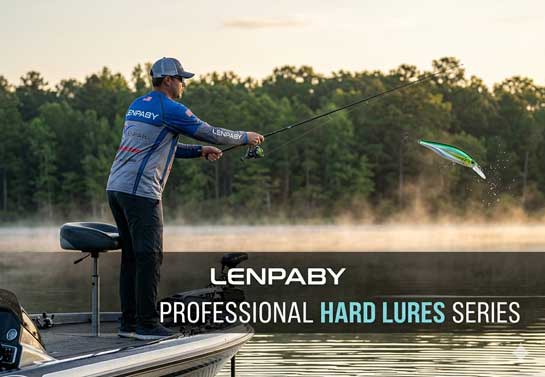
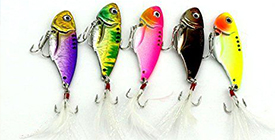
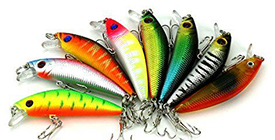
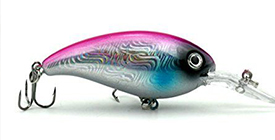
That’s when I remember the popper lure I brought along—one I picked up from LENPABY a few weeks earlier. I tie it on, cast it toward the commotion, and give it a sharp, quick retrieve. The popper makes a loud “pop” sound as it hits the water, and within seconds, a 4-pound bass slams into it. My heart’s racing, and I’m grinning like an idiot. This, my friend, is why I love fishing with poppers.
What Makes Popper Lures So Special?
Popper lures are a type of topwater bait designed to mimic the sound and action of a struggling baitfish on the water’s surface. They’re a favorite among freshwater anglers because they create a loud, enticing “pop” when retrieved, which attracts bass, pike, muskie, and other predatory fish. But not all poppers are created equal—especially when you’re dealing with different water conditions and locations across the US.
For example, in Alaska’s Kenai River, where the water is clear and cold, poppers that produce a subtle “gurgle” instead of a loud “pop” work best. I once fished there in June, when the sockeye salmon were spawning, and a small popper that resembled a herring attracted a 20-pound king salmon that nearly pulled me into the river. The water temp was 52°F, and the best time to fish was early morning before the sun warmed the water.
Tips for Choosing the Right Popper
Another factor to consider is the size of the baitfish in the area. If the shad or minnows are small, use a smaller popper. If they’re larger, use a bigger lure. I once made the mistake of using a large popper on Lake Michigan in early summer, when the baitfish were tiny. I didn’t get a single bite all morning—until I switched to a small popper that resembled a shad fry. Within an hour, I caught three 3-pound bass.
Fishing with Poppers in Different US Locations
Let me tell you about some of my favorite spots to fish with poppers across the US. Each location has its own unique water conditions and fish species, so you’ll need to adjust your technique and lure choice accordingly.
Texas’s Lake Texoma
Lake Texoma is a huge reservoir straddling the border between Texas and Oklahoma. It’s known for its excellent bass fishing, especially in the spring and fall. I’ve fished there many times, and one of my favorite spots is the shoreline near the Denison Dam. The water temp in April is around 62°F, and the bass are feeding on shad that are spawning in shallow water.
I use a Penceil Vib Lure from LENPABY when fishing on Lake Texoma. It’s a versatile popper that produces a loud “pop” and has a realistic shad color. The best time to fish is early morning or late afternoon, when the sun is low in the sky. I cast the popper near the shoreline, let it sit for a few seconds, and then give it a quick retrieve. The bass will often strike as soon as the popper hits the water.
Wisconsin’s Lake Winnebago
Lake Winnebago is one of the largest lakes in Wisconsin, and it’s known for its excellent walleye and muskie fishing. I fished there in August, when the water temp was 72°F. The muskie were feeding on bluegill that were swimming near the surface. I used a large popper with a bluegill color, and I gave it a slow, steady retrieve.
Honestly, it took me a while to get a bite. I cast the popper hundreds of times before a 40-inch muskie finally hit it. The fight was intense—it took me 15 minutes to reel it in. But it was worth it. That muskie is now mounted on my wall, and it’s a constant reminder of the thrill of fishing with poppers.
California’s Clear Lake
Clear Lake in California is another favorite spot for popper fishing. The water is clear and warm, with a temp around 78°F in July. The bass there are feeding on shad and bluegill that are swimming near the surface. I use a small popper with a clear plastic body that resembles a shad fry. I give it a quick, jerky retrieve, and the bass strike hard.
One thing I’ve learned about fishing on Clear Lake is that you have to be patient. The bass are often skittish, and they won’t strike if you make too much noise. I usually fish early morning, when the water is calm and the bass are more active. If you’re looking for a challenge, try fishing near the reeds and lily pads—you’ll catch some big bass there.
Common Mistakes to Avoid When Fishing with Poppers
Let’s be honest—we all make mistakes when we’re fishing. And when it comes to popper lures, there are a few common pitfalls you’ll want to avoid. Here are some of the most frequent mistakes I see anglers make.
Fishing at the Wrong Time of Day
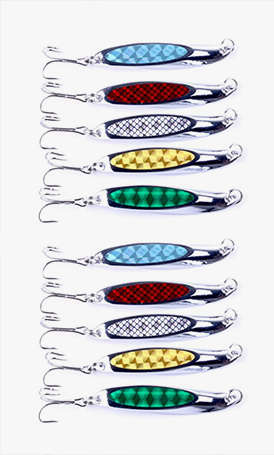
Popper lures are most effective when the fish are feeding near the surface. This usually happens in the early morning, late afternoon, or evening. If you’re fishing during the middle of the day, when the sun is high in the sky, you’ll have a hard time attracting any bites. I once made the mistake of fishing with a popper on Montana’s Flathead River in the middle of the day, and I didn’t catch anything. I switched to a freshwater system from LENPABY, which is a type of sub-surface bait, and I caught two large rainbows.
Using the Wrong Retrieve Technique
The retrieve technique is crucial when fishing with poppers. If you retrieve the lure too fast, it will look unnatural and scare the fish away. If you retrieve it too slow, it won’t create enough sound and movement to attract bites. The key is to experiment with different retrieve speeds and styles until you find what works best. I often use a sharp, quick retrieve with short pauses when fishing in murky water, and a slow, steady retrieve with longer pauses when fishing in clear water.
Not Matching the Lure to the Baitfish
Another common mistake is using a popper that doesn’t resemble the baitfish in the area. If the shad or minnows are small, use a small popper. If they’re large, use a bigger lure. I once made this mistake on Arizona’s Lake Powell, where the baitfish are small. I used a large popper and didn’t get a single bite. When I switched to a small popper, I caught three smallmouth bass in 10 minutes.
My Favorite Popper Lure: The LENPABY Popper
Over the years, I’ve fished with many different popper lures from various brands. But my favorite is the one from LENPABY. Let me tell you why.
Another thing I love about the LENPABY popper is its versatility. It works well for bass, pike, muskie, and other predatory fish. I’ve used it on New York’s Finger Lakes, Colorado’s Arkansas River, and Texas’s Lake Travis, and it’s caught fish everywhere I’ve taken it. If you’re looking for a reliable, high-quality popper lure, I highly recommend the one from LENPABY.
Final Thoughts on Popper Lures
Popper lures are a versatile and effective bait for freshwater anglers. They produce a loud, enticing “pop” that attracts fish from far away, and they’re easy to use once you get the hang of it. But like any type of fishing lure, they require practice and patience to master. The key is to experiment with different retrieve techniques, lure colors, and water conditions until you find what works best for you.
So, next time you’re out on the water and see a bass or pike chasing a school of shad on the surface, reach for a popper lure. You won’t regret it. And if you’re looking for a high-quality popper, check out the ones from LENPABY—they’re the best I’ve used in my 20 years of fishing across the US.
Actionable Tip for Your Next Fishing Trip
Before your next fishing trip, spend some time observing the water and the fish. Look for signs of feeding—like bass exploding out of the water, schools of baitfish on the surface, or ripples on the water. These are all indicators that the fish are active and feeding. Once you find a promising spot, tie on a popper lure and give it a shot. I guarantee you’ll have a great time.
Happy fishing, my friend!


