






When the Wind Picked Up at Lake Okeechobee
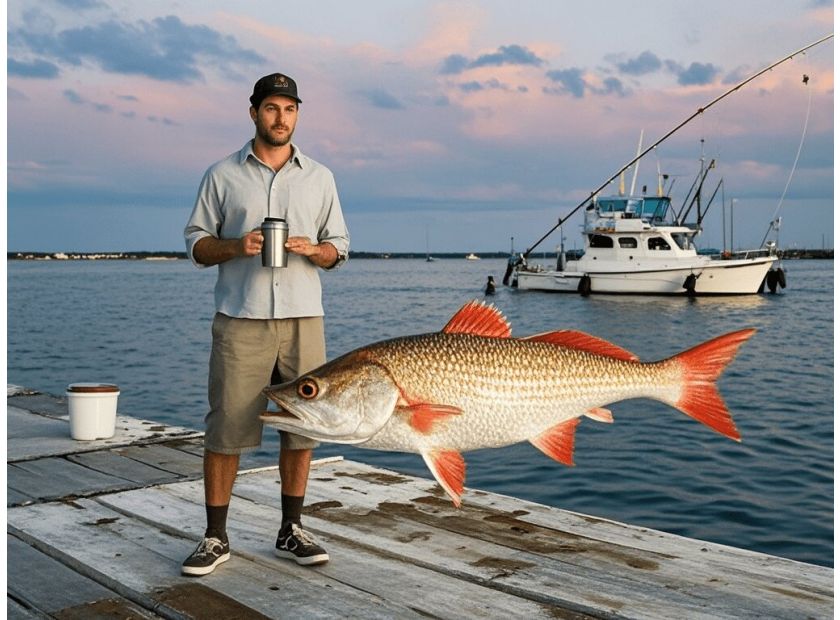
Let me set the scene for you. It was last May at Florida’s Lake Okeechobee, the sun was just peeking over the sawgrass, casting long shadows on the calm water. The air smelled like damp earth and fresh coffee from my thermos. The temperature was already pushing 75°F by 6:00 AM, and the water temp checked in at 68°F — that sweet spot where bass start getting active after a cool night.
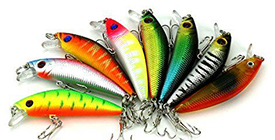
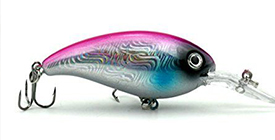
I’d been planning this trip for weeks, loading up my tackle box with every Hard Baits I owned. My go-to that morning was a 2-inch shad-colored crank lure with a tight wobble. I cast it out to a patch of lily pads about 30 yards from the shore and started reeling it in slow. Just as the lure hit the edge of the pads, I felt that familiar tap-tap-tap on my line. But when I set the hook, it felt like I’d hooked a log. Turns out, I had — not the bass I was hoping for. Disappointed, I reeled in the bare hook and decided to switch things up.
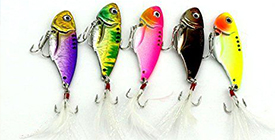
That’s when I noticed a group of herons circling about 50 yards to my left. I knew that meant baitfish were active there. I picked up a different crank lure — a 3-inch firetiger color with a wider wobble — and cast it toward the commotion. The lure hit the water with a splash, and within 10 seconds, I felt a sharp, powerful pull. This was no log. After a 5-minute fight, I landed a 4-pound largemouth bass, its green sides glinting in the sun. That moment taught me something I’ll never forget: the right crank lure can turn a frustrating morning into a memory that lasts a lifetime.
What Makes Crank Lures So Effective
Honestly, if you’re not using crank lures in your fishing setup, you’re missing out. These lures work by mimicking the movement of injured baitfish, which is like ringing the dinner bell for predatory fish. The way they dive, wobble, and flash their colors triggers an instinctive feeding response in bass, walleye, and pike.
The key to their effectiveness lies in their versatility. You can use them in shallow water around structures like docks and fallen trees, or you can cast them out deep and let them dive to the bottom where bigger fish hide. The depth at which a crank lure swims is determined by its bill length — shorter bills for shallow water, longer bills for deep. For example, a crank lure with a 1-inch bill will dive about 3-5 feet, while one with a 2-inch bill can reach depths of 10-12 feet.
Another reason I love crank lures is that they’re easy to use. You don’t need a lot of experience to get good results. Just cast it out, reel it in at a steady pace, and let the lure do the work. Sure, you might want to vary your retrieve speed from time to time, but even a beginner can catch fish with a crank lure right out of the box.
My Favorite Crank Lures for Different Conditions
Over the years, I’ve tried hundreds of crank lures, and I’ve narrowed down my favorites based on the conditions I’m fishing in. Here are a few that have never let me down:
- Shallow Water Crank Lures (0-5 feet): When I’m fishing in shallow water around docks, lily pads, or rocky shores, I reach for a small crank lure with a short bill. The 2-inch shad-colored one I mentioned earlier is perfect here. The tight wobble mimics a small baitfish, and the realistic color matches the local forage. I’ve caught bass, bluegill, and even crappie with this lure at Texas’ Lake Texoma.
- Medium Water Crank Lures (5-10 feet): For medium depths, I prefer a 3-inch crank lure with a medium-length bill. The firetiger color is my go-to here because it’s highly visible in murky water and attracts fish from a distance. I’ve used this lure to catch walleye at Minnesota’s Lake of the Woods when the water temp was 72°F.
- Deep Water Crank Lures (10+ feet): When I’m fishing deep, I use a larger crank lure with a long bill. The 4-inch black and blue color works well because it contrasts against the dark water, making it easier for fish to spot. I’ve caught big pike at Lake Michigan using this lure when the water temp was 58°F.
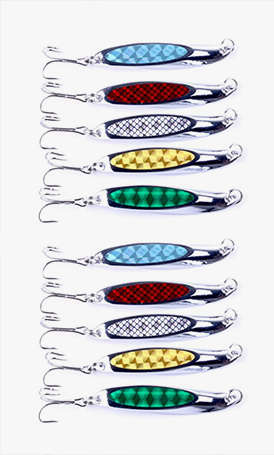
And let’s not forget about Squid Jigs — they’re not crank lures, but they’re another Hard Baits that works well in saltwater. I’ve used them to catch squid off the coast of California, and they’re a lot of fun to fish with.
Reading the Water and Using Crank Lures
One of the most important skills a fisherman can have is reading the water. You need to know where the fish are likely to be hiding before you even cast your line. Here’s how I use crank lures in different types of water:
Structure Areas: Docks, fallen trees, rocky shores, and bridge pilings are all great places to use crank lures. The idea is to cast the lure around the structure and reel it in, making sure it hits the edges. This creates a commotion that attracts fish. When fishing around docks at Kentucky Lake, I like to use a shallow water crank lure and reel it in slowly, making sure it scrapes against the dock posts.
Baitfish Schools: If you see a group of baitfish jumping out of the water or being chased by larger fish, that’s a sure sign of predatory activity. Cast your crank lure into the middle of the school and reel it in fast. The firetiger color works well here because it mimics the flash of the baitfish. I’ve caught bass and walleye using this technique at Lake Erie.
Temperature Changes: Fish are more active when the water temp is between 60-75°F. If the water is colder than that, you’ll want to use a crank lure with a slow wobble and reel it in at a steady pace. If the water is warmer, you can use a lure with a faster wobble and reel it in quicker. I’ve caught bass at Lake Okeechobee when the water temp was 68°F using a shad-colored crank lure with a tight wobble.
Lessons Learned From My Mistakes
Let me be honest with you: I’ve made my fair share of mistakes with crank lures. When I first started fishing, I thought that bigger lures meant bigger fish. So I bought a 5-inch crank lure with a long bill and went out to Lake Texoma. I cast it out as far as I could, but I could barely reel it in. The water was only 5 feet deep, and the lure was hitting the bottom on every cast. I ended up losing the lure on a log and going home empty-handed.
Another mistake I made was not matching the lure color to the local forage. I once went fishing at Lake of the Woods with a bright pink crank lure. I cast it out hundreds of times, but I didn’t get a single bite. Turns out, the local baitfish were silvery-white, so my pink lure stood out like a sore thumb. I switched to a shad-colored lure, and within 5 minutes, I had a walleye on my line.
I also learned that sometimes less is more. I used to overcomplicate my retrieve, changing speed and direction every few seconds. But I soon realized that a steady, consistent retrieve works best for most conditions. Sure, you might want to vary your speed from time to time, but don’t overdo it.
Choosing the Right Line and Rod
Choosing the right line and rod for crank lures is just as important as choosing the right lure. Here’s what I recommend:
- Line: For shallow water crank lures, I use a 10-12 pound monofilament line. The stretch in monofilament helps prevent the hook from pulling out when a fish strikes. For deep water crank lures, I use a 14-16 pound fluorocarbon line. Fluorocarbon is almost invisible underwater, so it won’t spook the fish, and it has less stretch than monofilament, which makes it easier to set the hook at depth.
- Rod: I use a medium-heavy action rod with a fast tip for shallow water crank lures. The fast tip helps me feel the bite, and the medium-heavy action gives me the power to set the hook and fight the fish. For deep water crank lures, I use a medium action rod with a slow tip. The slow tip helps absorb the shock of the lure hitting the bottom, which reduces the chance of losing the lure on a log or rock.
Tips for Using Crank Lures to Catch More Fish
Here are a few tips I’ve learned over the years that will help you catch more fish with crank lures:
- Keep Your Lure Moving: Even if you don’t feel a bite, keep your lure moving. Fish can be finicky, and they might strike at the last second. If you stop reeling, the lure will sink to the bottom, and you’ll lose your chance.
- Set the Hook Hard: When you feel a bite, set the hook hard. This will help the hook penetrate the fish’s mouth and prevent it from getting away. Just make sure you don’t jerk too hard, or you might break the line.
- Pay Attention to the Weather: Fish are more active on cloudy days and when the wind is blowing. If you’re fishing on a sunny day, try to find shaded areas where the water is cooler. I’ve caught bass at Lake Okeechobee on sunny days by casting my crank lure into the shade of a tree.
- Use a Leader: If you’re fishing in clear water, use a fluorocarbon leader. This will make your line almost invisible underwater, which will increase your chances of getting a bite.
A Final Word on Crank Lures
Crank lures have been a staple in my tackle box for 20 years, and I don’t see that changing anytime soon. They’re versatile, easy to use, and effective in almost any condition. Whether you’re fishing in shallow water around lily pads or deep water off the coast, a crank lure will help you catch more fish.
So, the next time you’re out on the water, give a crank lure a try. You might be surprised by the results. And remember, the best way to learn is by doing. Don’t be afraid to experiment with different colors, sizes, and retrieve speeds. You never know what might work until you try it.
Actionable Tip: The next time you go fishing, before you even cast your line, take a few minutes to check the water temp and observe the local baitfish. Then, choose a crank lure that matches the size and color of the baitfish and casts it toward areas where fish are likely to hide. You’ll be amazed at how many more fish you’ll catch.


