





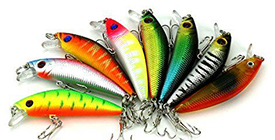
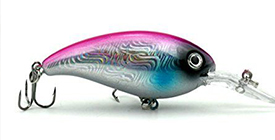
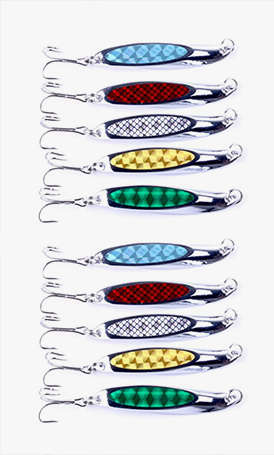

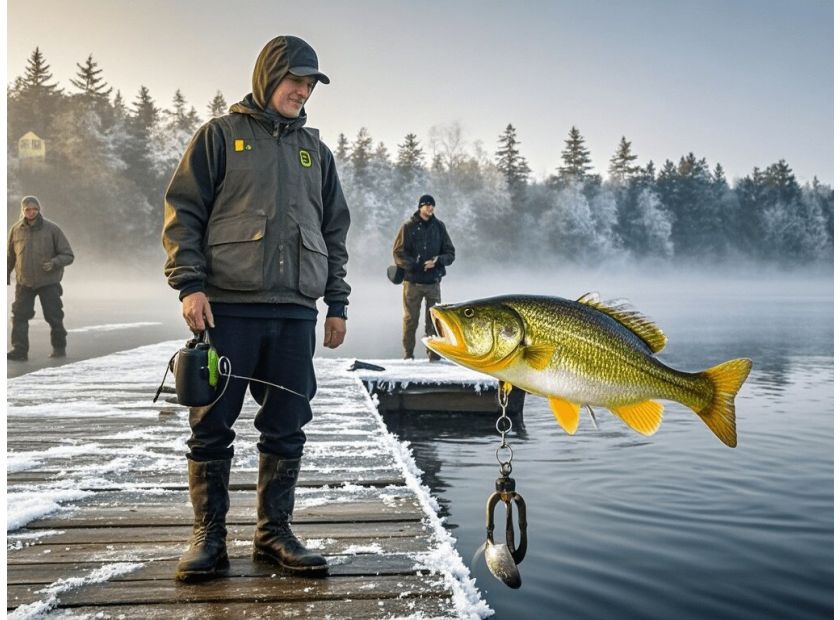
Alright, let’s set the scene. It was a crisp October morning on Lake Texoma, straddling Texas and Oklahoma. The sky was a deep shade of navy, with the first hint of sunrise painting the horizon in soft orange. A light breeze rippled the water, and the air smelled of damp earth and pine from the nearby forests. I’d been fishing Texoma for nearly a decade, but that morning, I was after something specific—striped bass, or “stripers” as we locals call them. I’d brought my trusty rods, a cooler of bait, and a new set of Squid Jigs I’d picked up the week before. Little did I know, those jigs would change the way I fished forever.
Why Squid Jigs Work So Well on Stripers
I’d heard whispers about Squid Jigs from other fishermen at the local tackle shop, but I was skeptical at first. Stripers are known for their love of live bait like shad or herring, so why would a synthetic squid work? But the guy at the shop, a seasoned angler himself, swore by them. “Try ’em,” he said. “You’ll be surprised.”
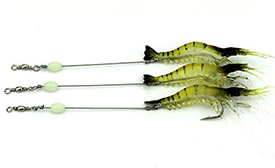
That morning, I tied on a glow-in-the-dark squid jig and cast it out into the 68°F water. The sun was just peeking over the trees, casting long shadows across the lake. I let the jig sink for a few seconds, then started a slow retrieve with occasional twitches. The water was calm, but I could feel a subtle tension in the line. Suddenly, the rod bent sharply, and I was in a fight. It took me nearly 10 minutes to reel in a 22-pound striper—one of the biggest I’d caught that year. I couldn’t believe it. That jig had outperformed every live bait I’d used that season.
How to Choose the Right Squid Jig
Since that day, I’ve tested nearly every type of squid jig on the market. Here’s what I’ve learned:
- Color Matters: Glow-in-the-dark jigs work best in low-light conditions, like dawn or dusk. For bright, sunny days, I prefer translucent or iridescent jigs that mimic the natural shimmer of squid in the water.
- Size Counts: Stripers on Texoma range from 10 to 30 pounds, so I use jigs that are between 3 and 5 inches long. Smaller jigs work for younger stripers, while larger ones attract bigger, more aggressive fish.
- Action is Key: A good squid jig should have a natural, fluttering action when retrieved. I look for jigs with soft, flexible tentacles that move with the water. This mimics the way a real squid swims, making it irresistible to hungry stripers.
I’m not the only one who’s had success with these jigs. Last summer, I fished Lake Okeechobee in Florida with a friend, and we used Squid Jigs to catch dozens of largemouth bass. The water temp was around 75°F, and we cast the jigs near submerged vegetation. The bass hit them so hard, it felt like they were attacking the line. We even caught a few catfish that were curious about the jigs.
My Biggest Squid Jig Fail (and What I Learned)
Of course, not every trip with squid jigs is a success. A few months ago, I tried fishing Lake Michigan for king salmon. I’d heard that salmon in the Great Lakes love squid, so I brought my favorite jigs. The weather was cloudy and cool, with a steady wind blowing from the north. I cast the jig out into the deep water, but after hours of fishing, I didn’t get a single bite.
I was frustrated, but I didn’t give up. I started asking other fishermen what they were using. Turns out, the salmon that day were feeding on small, silver shad, not squid. The jigs were too big and too dark for the conditions. I learned that even the best lures don’t work every time—you have to adapt to the fish’s behavior.
After that trip, I started carrying a variety of squid jigs in different colors and sizes. I also pay more attention to the local baitfish and water conditions. If the fish are feeding on small shad, I’ll use a smaller, more translucent jig. If they’re after larger prey, I’ll switch to a bigger, darker jig. It’s all about being flexible and knowing your target species.
The Versatility of Squid Jigs Across the US
One of the things I love most about Squid Jigs is their versatility. They’re not just for stripers and largemouth bass—they work on a wide range of predator fish across the US. For example, I’ve used them to catch:
- Walleye on Lake Erie: In the spring, walleye move into shallow waters to spawn. I use small, glow-in-the-dark jigs that mimic the tiny squid and shrimp they feed on during this time.
- Trout on the White River in Arkansas: The White River is known for its crystal-clear waters and trophy trout. I use translucent squid jigs with subtle twitches to attract brown and rainbow trout.
- Redfish in the Texas Gulf Coast: Redfish are a popular target for saltwater anglers. I use larger, more colorful jigs that stand out in the murky waters of the coast.
If you’re looking to stock up on high-quality squid jigs and other fishing gear, I highly recommend checking out Predator Fish Specials. They have a wide selection of jigs in different colors, sizes, and styles, all at reasonable prices. The staff is also very knowledgeable and can help you choose the right gear for your specific needs.
How to Fish a Squid Jig Like a Pro
Using a squid jig is simple, but there are a few techniques that can help you catch more fish. Here’s how I do it:
- Cast and Retrieve: Cast the jig out into the water and let it sink to the desired depth. Then, start a slow retrieve with occasional twitches. This mimics the way a real squid swims.
- Jigging: If you’re fishing in deeper water, try jigging the rod up and down as you retrieve. This creates a more erratic motion that attracts aggressive fish.
- Trolling: For larger bodies of water like lakes or oceans, trolling with a squid jig can be very effective. Tie the jig to a trolling line and let it out behind the boat at a slow speed.
I also like to mix up my retrieve speed depending on the conditions. On hot, sunny days, fish tend to be less active, so a slower retrieve works best. On cool, cloudy days, when fish are more aggressive, I’ll speed up the retrieve with more frequent twitches.
Final Thoughts on Squid Jigs
Over the past few years, Squid Jigs have become a staple in my tackle box. They’re versatile, effective, and fun to use. Whether I’m fishing for stripers on Lake Texoma, largemouth bass on Lake Okeechobee, or walleye on Lake Erie, I know I can count on my squid jigs to deliver.
Honest, let me tell you—if you haven’t tried a squid jig yet, you’re missing out. They might just become your new go-to lure. And if you’re looking for a great selection of jigs and other fishing gear, be sure to check out Predator Fish Specials.
Here’s your actionable tip: Next time you head out fishing, try using a glow-in-the-dark squid jig during dawn or dusk. The low-light conditions will make the jig stand out, and you’ll be surprised at how many fish you catch. Trust me—you won’t regret it.


