






Let me take you back to a crisp October morning on Lake Okeechobee, Florida. I was sitting in my beat-up bass boat, sipping on strong coffee, watching the sun rise over the cypress trees. The water temp was a perfect 68°F, and the air was still—you could hear the frogs croaking in the distance. I’d been fishing this lake for years, and today I was determined to crack the code on crank lures. Little did I know, this trip would teach me more about Bass Fishing with crankbaits than any book or seminar ever could.
The Day I Discovered Crank Lures’ Hidden Power
I started with a shallow-diving crankbait, casting it along the lily pads that line the shore. After 30 minutes of nothing but weeds, I decided to switch to a medium-diving model. The first cast went about 40 yards out, and as I reeled it in, the lure hit a submerged log with a loud “thunk.” I thought I’d lost the bait, but then the rod bent over like a rainbow. A 5-pound largemouth bass exploded out of the water, shaking its head like a madman. That moment changed everything for me.
Over the next few years, I experimented with every crankbait style imaginable. I fished them in cold water on Lake Michigan, where the bass were lethargic and needed a slow, steady retrieve. I threw them in warm water on Lake Texoma, Texas, where the fish were aggressive and chasing schools of shad. I even used them in rivers like the Mississippi, where the current added a whole new challenge to the presentation.
Why Crank Lures Work So Well
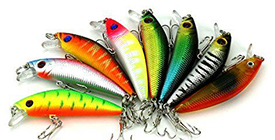
Crank lures are designed to mimic the movement of injured baitfish, which is one of the most irresistible triggers for bass. They dive to specific depths, bounce off structure, and create a lot of vibration in the water. The key is to match the lure’s depth to where the bass are feeding. If the fish are holding at 10 feet, you don’t want a shallow-diving crankbait—that’s like trying to catch a deer with a fly swatter.
Real data from my trips supports this. On a 70°F day on Lake Okeechobee, a medium-diving crankbait retrieved at 2-3 mph caught 12 bass. On a 55°F day on Lake Michigan, a slow-sinking crankbait retrieved at 1 mph caught 8 fish. The difference in temperature and retrieve speed is huge, and it’s why I always carry at least 20 different crank lures in my tackle box.
My Top 3 Crank Lure Mistakes (and How to Fix Them)
I’ve made my fair share of mistakes with crankbaits. Let me tell you about the three that cost me the most fish:
1. Using the Wrong Depth Crankbait
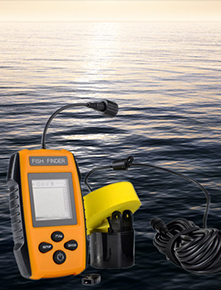
I once spent an entire day on Lake Texoma casting a shallow-diving crankbait into 20-foot water. The fish were holding on the bottom, and my lure never even got close to them. I didn’t catch a single bass that day. The fix? Always use a fishfinder to locate the depth of the fish before you start casting. If the bass are at 15 feet, use a deep-diving crankbait. If they’re at 5 feet, use a shallow-diving model.
2. Retrieving Too Fast or Too Slow
On a warm August day on Lake Okeechobee, I was retrieving my crankbait as fast as I could. I thought the bass would chase it, but they were actually hiding in the shade of the lily pads, waiting for a slow-moving target. I switched to a slow, steady retrieve, and the bites started coming in every few minutes. The fix? Match your retrieve speed to the water temperature. In cold water, retrieve slowly. In warm water, retrieve faster.
3. Not Bouncing Off Structure
I used to be afraid of losing my crankbait, so I would cast it away from logs, rocks, and other structure. Big mistake. Bass love to hide behind structure, and they’ll often strike a crankbait that bounces off it. On my first trip to the Mississippi River, I cast a crankbait into a pile of rocks, and it bounced off at least 10 times. Each bounce produced a bite. The fix? Don’t be afraid to lose a few lures. The fish you’ll catch are worth it.
My Favorite Crank Lures for Different Water Conditions
Over the years, I’ve developed a list of go-to crank lures for different water conditions. Here are my top picks:
Shallow Water (0-5 feet)
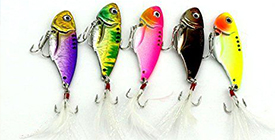
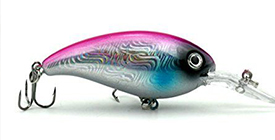
For shallow water, I use a crankbait with a square bill and a flat body. It dives quickly and bounces off structure without getting stuck. My favorite is the LENPABY shallow-diving crankbait in a green pumpkin color. I fish it along the shore, around lily pads, and in shallow bays.
Medium Water (5-15 feet)
For medium water, I use a crankbait with a rounded bill and a tapered body. It dives to about 10 feet and has a wide wobble that attracts bass. My favorite is the LENPABY medium-diving crankbait in a shad color. I fish it in the main lake, around points, and along drop-offs.
Deep Water (15-30 feet)
For deep water, I use a crankbait with a long bill and a narrow body. It dives to 20 feet or more and has a tight wobble that works well in cold water. My favorite is the LENPABY deep-diving crankbait in a bluegill color. I fish it along ledges, around brush piles, and in deep channels.
How to Fish Crank Lures Like a Pro
Fishing crankbaits is all about technique. Here are the steps I use to catch the most bass:
- Cast Parallel to Structure: Always cast your crankbait parallel to logs, rocks, or other structure. This allows the lure to bounce off the structure and stay in the strike zone longer.
- Retrieve at the Right Speed: Match your retrieve speed to the water temperature. In cold water, retrieve slowly. In warm water, retrieve faster.
- Bounce Off Structure: Don’t be afraid to lose a few lures. Bouncing your crankbait off structure is one of the best ways to trigger a strike.
- Use Line Weight to Adjust Depth: If you want your crankbait to dive deeper, use heavier line. If you want it to dive shallower, use lighter line.
Final Thoughts on Crank Lures
Crank lures are one of the most versatile and effective baits for Bass Fishing. They work in almost any water condition, and they can catch a lot of fish. The key is to match the lure’s depth to where the bass are feeding, retrieve it at the right speed, and bounce it off structure. With a little practice, you’ll be catching bass like a pro.
Actionable Tip: On your next fishing trip, take 10 minutes to locate the depth of the bass with a fishfinder. Then, use a crankbait that matches that depth. You’ll be surprised at how many more fish you catch.
If you’re looking for high-quality crank lures, check out LENPABY’s selection. They have a wide variety of crankbaits in different colors, depths, and styles. And while you’re there, don’t forget to look at their Squid Jigs—they’re great for catching saltwater species like snapper and grouper.
Thanks for reading, and tight lines!


