





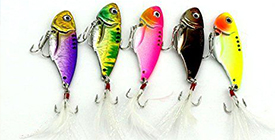
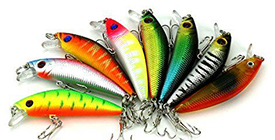
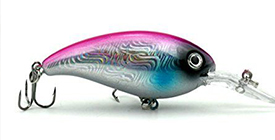

Let me tell you, last May on Lake Texoma, the wind was whipping across the water at 15 mph, and the sun was just peeking over the treeline. I’d been there since 5 a.m., my fingers numb from the cold, and I was ready to call it a day. Then I tied on a red-and-white LENPABY crank lure I’d picked up from Hard Baits, cast it out to a submerged rock pile, and reeled it in slow—just a steady crank with a little wobble. The hit was so hard my rod bent almost in half. It was a 4.2-pound largemouth bass, and that single catch turned my worst day into a story I’ve told at every fishing campfire since.
That’s the thing about crank lures. They’re not just pieces of plastic; they’re tools that turn frustration into adrenaline. Over 20 years, I’ve fished Crankbaits in every corner of the US—from the murky waters of Okeechobee to the clear lakes of Michigan—and I’ve learned what makes them tick. So pull up a chair, grab a cold one, and let’s talk about how to make crank lures work for you.
The Day I Almost Gave Up on Crank Lures
It was a hot August afternoon on Lake Okeechobee. The water temp was 92°F, and the bass were holed up in the shade of the cypress trees. I’d been casting every crank lure in my tackle box for two hours—no hits, not even a nibble. I was about to pack up when I saw a flash of silver near the shore. I grabbed a shallow-diving crank from my Predator Fish Specials pack, painted with a crawfish pattern, and cast it right into the shadow of a tree.
On the third retrieve, I felt a light tap. I set the hook, and a 3.8-pound largemouth broke the surface. That moment taught me the biggest lesson about crank lures: it’s not just about the lure—it’s about matching it to the conditions. If I’d kept casting deep-diving lures in shallow, shaded water, I would have left empty-handed.
What Makes a Great Crank Lure
Honestly, I’ve tried every brand of crank lure out there, and LENPABY’s Hard Baits are some of the most reliable. But regardless of brand, the best crank lures share a few key traits:
- Action: A good crank should wobble or vibrate as you reel it in. LENPABY’s lures have a tight, consistent wobble that drives bass wild.
- Depth: Crank lures are rated by how deep they dive. For Lake Michigan’s clear, deep water, I use a crank that dives 12-15 feet. For Texas’ shallow lakes, I stick to 2-5 feet.
- Color: Match the color to the water clarity. In murky water like Okeechobee, use bright colors like red or chartreuse. In clear water like Michigan, go for natural colors like shad or crawfish.
- Durability: Nothing’s worse than losing a great lure after one hit. LENPABY’s crank lures have strong hooks and tough paint that stands up to big bass.
Fishing Crank Lures in Different Conditions
Let’s start with spring. On Lake Texoma, when the water temp hits 68°F, the bass start spawning. I use a medium-diving crank with a shad pattern, cast it near the edges of the spawning beds, and reel it in slow. The wobble mimics a baitfish swimming over the nest, triggering the bass’ protective instincts. I caught 12 bass in three hours that way last March.
Summer brings hot water and lazy bass. On Lake Michigan, I switch to a deep-diving crank that hits 15 feet. The water temp here in July is 78°F, and the bass are hiding in the cold, deep water near underwater structures. I cast the crank out to a drop-off, let it sink to the bottom, then reel it in with a stop-and-go motion. The pause makes the lure float up, then dive back down—just like a wounded baitfish.
Fall is my favorite time to fish crank lures. On Lake Okeechobee, the water cools to 75°F, and the shad start moving to the shallows. I use a shallow-diving crank with a shad color, cast it along the shoreline, and reel it in fast. The lure’s tight wobble imitates the frantic movements of the shad, and the bass go crazy for it. I caught a 5.1-pound largemouth this way last October.
Winter fishing is tough, but crank lures can still work. On the Colorado River in Texas, when the water temp drops to 55°F, the bass are slow and sluggish. I use a slow-sinking crank with a crawfish pattern, cast it near the bottom, and reel it in at a snail’s pace. The lure’s vibrations travel through the water, alerting the bass to its presence. I caught a 3.5-pound bass on a freezing January morning—proof that crank lures work year-round.
Common Crank Lure Mistakes to Avoid
I’ve made every mistake in the book when it comes to crank lures. One time on Lake Michigan, I cast a deep-diving crank into a school of bass, reeled it in as fast as I could, and missed every hit. I realized later that I was reeling too fast—the bass couldn’t keep up. Now, I slow down my retrieve when the water is cold.
Another mistake is not matching the lure to the structure. On Lake Texoma, I once cast a shallow-diving crank into a deep channel, and it just floated on the surface. The bass were 10 feet down, and they never saw the lure. Now, I always check the depth of the water before choosing my crank.
How LENPABY’s Crank Lures Changed My Game
Last year, I switched to LENPABY’s Hard Baits for most of my fishing trips. The first time I used their red-and-white crank on Lake Texoma, I caught three bass in 45 minutes. The lure’s tight wobble and bright color stood out in the murky water, and the bass couldn’t resist it.
What I love most about LENPABY’s crank lures is their consistency. I’ve used the same lure on Lake Okeechobee and Lake Michigan, and it performed just as well in both. They’re also affordable, so I don’t mind losing one to a big bass.
My Go-To LENPABY Crank Lures
I have three LENPABY crank lures that I never leave home without:
- Shallow-Diving Shad: Perfect for Lake Okeechobee’s shallows in fall. The shad color blends in with the baitfish, and the tight wobble triggers aggressive strikes.
- Medium-Diving Crawfish: Ideal for Lake Texoma’s spawning beds in spring. The crawfish pattern imitates the bass’ favorite food, and the medium depth hits the sweet spot.
- Deep-Diving Red: My go-to for Lake Michigan’s deep water in summer. The red color stands out in clear water, and the 15-foot dive depth reaches the hiding bass.
These three lures cover almost every fishing condition I encounter, and they’ve helped me catch more bass than any other brand.
Tips from a Veteran Fisherman
Here’s what I’ve learned over 20 years of fishing crank lures:
- Always check the water temp before choosing your lure. Bass are more active in 68-75°F water.
- Match the color to the water clarity. Bright colors for murky water, natural colors for clear.
- Cast near structure—submerged trees, rock piles, and drop-offs are bass hotspots.
- Vary your retrieve speed. Sometimes a slow, steady reel works; other times, stop-and-go is better.
- Don’t be afraid to lose a lure. A great crank that catches big bass is worth the investment.
Wrap-Up
Crank lures are some of the most effective tools in a fisherman’s tackle box. Whether you’re fishing shallow lakes in Texas or deep lakes in Michigan, there’s a crank lure that will work. LENPABY’s Predator Fish Specials are a great place to start—they’re reliable, affordable, and designed to catch bass in any condition.
So next time you’re out on the water, tie on a crank lure, cast it near structure, and reel it in slow. You never know when that big hit is going to come.
Here’s my actionable tip for you: tomorrow morning, before you head to the lake, check the water temp. If it’s between 68-75°F, tie on a medium-diving crank with a shad pattern. Cast it near the edges of submerged rock piles, and reel it in slow. That’s the technique that caught me 12 bass on Lake Texoma last March. Give it a try—you might just be surprised at what you catch.


