






Crank Lure Secrets: 20 Years of Texas Fishing Wisdom
Let me tell you, fishing with crank lures has been my bread and butter for the last 20 years. I remember this one day at Lake Texoma—the sun was just starting to rise, casting a golden glow over the water, and the air was thick with the scent of pine. The water temp hovered around 68°F, and there was a light breeze that ruffled the surface just enough to make the water look like liquid silk.
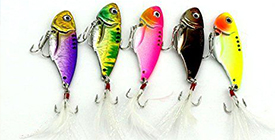
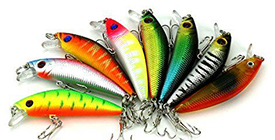
I had been fishing this lake for years, but that morning felt different. I had just picked up a new set of Hard Baits from LENPABY, and I was eager to test them out. I tied on a bright orange crankbait and cast it out near the submerged brush piles I knew were home to some monster bass.
Why Crank Lures Are My Go-To
Crank lures have been my secret weapon for decades, and there's a good reason for that. They're incredibly versatile—you can use them in almost any body of water, from small ponds in Arkansas to huge lakes like Lake Okeechobee in Florida. The key is understanding how they work and when to use them.
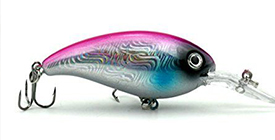
Crank lures get their name from the way they "crank" through the water when you reel them in. They have a built-in lip that makes them dive to a specific depth, which means you can target fish at different levels of the water column. I've caught bass, walleye, and even pike with these lures, and they never seem to let me down.
Choosing the Right Crank Lure
When I'm picking out a crank lure, the first thing I look at is the depth rating. If I'm fishing in shallow water—say, less than 5 feet—I'll use a shallow-diving crankbait. For deeper water, like the channels in Lake Michigan, a deep-diving crankbait is the way to go.
Color is another important factor. I usually stick to bright colors like orange or chartreuse in murky water, because they're easier for fish to see. In clear water, I'll use more natural colors like brown or green, which mimic the baitfish that the game fish are feeding on.
Mastering the Retrieve
Once you've chosen the right lure, the next step is to perfect your retrieve. The key is to make the lure look like a wounded baitfish, which will trigger a predator's instinct to attack. I usually start with a slow, steady retrieve, then mix it up with some pauses and quick jerks to make the lure look like it's struggling.
Honestly, I've had my fair share of failures with crank lures. One time at Lake Erie, I was using a deep-diving crankbait and reeling too fast, and I didn't catch a single fish all day. But I learned from that mistake—sometimes, you just need to slow down and let the lure do the work.
The Best Time to Use Crank Lures
I've found that crank lures work best during certain times of the day and certain seasons. In the spring, when the water is warming up, bass will move into shallow water to spawn, and a shallow-diving crankbait near the shoreline can be deadly. During the summer, when the water is warm and the fish are deeper, a deep-diving crankbait is your best bet.
Another great time to use crank lures is during a storm. I remember fishing at Table Rock Lake in Missouri during a thunderstorm—lightning was flashing in the distance, and the wind was howling—but the bass were biting like crazy. The rough water made the crankbait's movement even more realistic, and I caught more fish that day than I had in weeks.
Real-World Success Stories
One of my most memorable catches happened at Lake Champlain in Vermont. It was a crisp fall morning, and the water temp was around 55°F. I was using a brown and green crankbait, and I cast it out near a submerged rock pile. As I reeled it in, I felt a huge tug on my line—this was a big fish.
I fought it for almost 10 minutes, and when I finally got it in the boat, I couldn't believe my eyes—it was a 5-pound walleye, one of the biggest I'd ever caught. The crankbait had been bouncing off the rocks, which triggered the walleye's aggressive instinct.
LENPABY: My Go-To for Quality Lures
Over the years, I've tried a lot of different fishing lures, but none have impressed me as much as the ones from LENPABY. Their Hard Baits are built to last—even after hitting submerged rocks and brush piles, they still look and perform like new.
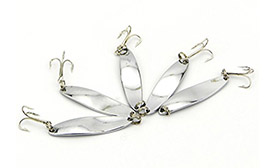
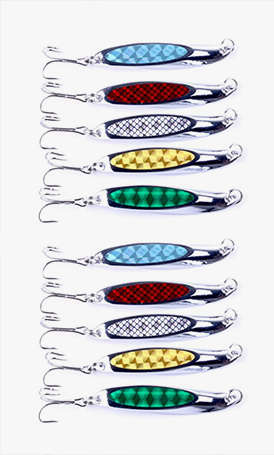
I also love their Metal Lures, which are perfect for fishing in deep water. I used one of these lures last year at Lake Mead in Nevada, and I caught a 6-pound bass that put up a fight like no other. The metal construction of the lure made it sink quickly, and the bright colors made it stand out against the dark water.
Tips for Fishing with LENPABY Crank Lures
The Thrill of the Catch
There's nothing quite like the thrill of catching a big fish on a crank lure. I remember fishing at Lake St. Clair in Michigan with my son last summer—we were using LENPABY's Hard Baits, and we caught over 20 bass in just a few hours. The biggest one was a 7-pounder that almost pulled my son into the water.
That day taught me something important—fishing isn't just about catching fish. It's about spending time with the people you love, exploring new places, and creating memories that will last a lifetime. And using quality lures like the ones from LENPABY makes the experience even better.
Wrapping Up
So, if you're looking to up your fishing game, I highly recommend giving crank lures a try. They're versatile, effective, and they can help you catch more fish in almost any body of water. And if you're looking for quality lures that will last for years, check out LENPABY's Metal Lures and Hard Baits.
Remember, fishing is a learning process. You'll have good days and bad days, but every time you cast your line, you're one step closer to becoming a better angler. So get out there, explore new lakes and rivers, and most importantly, have fun!
Ready to test out my crank lure secrets? Head over to LENPABY today and pick up your own set of Hard Baits and Metal Lures!
Pro Tip: Next time you're fishing with crank lures, try adding a small split shot to the line just above the lure. This will help it sink faster and reach deeper water, which can be especially effective when fishing for walleye or pike.


