






My First Frog Lure Fail (and the Eureka Moment That Changed Everything)
It was early June on Lake Okeechobee—you know, that massive, shallow lake in Florida where the sun beats down so hard you can feel it through your sunscreen. The air was thick with humidity, and the water temp hovered right at 78°F. I’d heard all the hype about frog lures for bass, so I figured I’d give ‘em a shot.
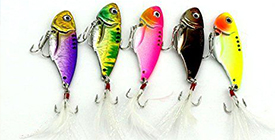
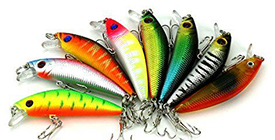
I tied on a cheap plastic frog I’d picked up at a local tackle shop, cast it toward a patch of lily pads, and gave it a few jerky pops. Nothing. I tried again, this time a little slower. Still nothing. After an hour of casting and reeling with no bites, I was ready to throw that frog in the lake and go back to my trusty Penceil Vib Lures.
Just as I was about to give up, I saw a massive bass explode out of the water and grab a frog that a nearby angler was using. That bass had to be at least 5 pounds—maybe even 6. I was shocked. What was he doing that I wasn’t? I paddled over to him, struck up a conversation, and he told me the secret: not all frogs are created equal, and how you fish them matters more than you’d think.
Why Frog Lures Are a Game-Changer for Bass Fishing
Bass love frogs. They look like easy prey, and they’re often found in the thick cover that bass call home—lily pads, duckweed, hyacinths, you name it. When you’re using a frog lure, you don’t have to worry about getting snagged as much as you do with other lures, because the frog floats on the surface and glides over the top of the cover.
But here’s the thing: not all frog lures work for every situation. I’ve tested dozens of frog lures over the years, and I’ve found that the best ones have a few key features. They should have soft, flexible legs that move when you retrieve them, a hollow body that lets them float, and a strong hook that won’t bend when you set it.
I recently got my hands on a set of Frog Lures from LENPABY, and I have to say, they’re some of the best frog lures I’ve ever used. The legs are incredibly soft and lifelike, the body floats perfectly, and the hook is sharp and strong. I’ve caught more bass with these lures in the past month than I did with all my other frog lures combined.
Where to Fish for Bass with Frog Lures
Now, let’s talk about where to fish for bass with frog lures. The best places are always the thick, weedy areas that bass love. On Lake Okeechobee, that’s the lily pad fields that stretch for miles. On Lake Texoma, which straddles the Texas-Oklahoma border, it’s the patches of hydrilla and milfoil that grow in the coves and bays.
You should also look for areas with structure—like fallen trees, stumps, or dock pilings—near the weedy cover. Bass will often hide behind these structures and wait for prey to swim by, and a frog lure that’s retrieved over the top of the weeds and past the structure is a perfect target.
I remember one time I was fishing on Lake Michigan—yes, the big one—near a patch of floating weeds that had drifted into a small bay. The water temp was 72°F, and the sun was just starting to set. I cast my LENPABY frog toward the weeds, gave it a few pops, and waited. A few seconds later, a bass that looked like it weighed over 7 pounds exploded out of the water and grabbed the frog. I set the hook, and the fight was on. It took me almost 10 minutes to reel that bass in, but it was worth every second.
How to Fish for Bass with Frog Lures
Now, let’s talk about how to fish for bass with frog lures. The most common retrieve is the “walk-the-dog” retrieve, where you move the rod tip side to side to make the frog glide over the surface. But sometimes, bass prefer a slower, more subtle retrieve. You can try a “dead stick” retrieve, where you let the frog sit on the surface for a few seconds before giving it a gentle pop. Or you can try a “burp” retrieve, where you pop the frog hard to make it spit water, which attracts bass.
Another thing to keep in mind is the weather. On hot, sunny days, bass will often stay in the thickest cover, so you’ll need to cast your frog lure right into the weeds and retrieve it slowly. On cloudy days or early in the morning or late in the evening, bass will often move into shallower water, so you can fish your frog lure in the edges of the weedy cover.
I also use frog lures in rivers and streams. On the Guadalupe River in Texas, I’ve had great success fishing my LENPABY frog near the edges of the water, where the current slows down and there’s plenty of cover—like rocks, logs, and overhanging vegetation. The bass there are always on the lookout for easy prey, and a frog lure that’s retrieved slowly along the edge is a perfect target.
The Importance of Having the Right Gear for Frog Lure Fishing
When you’re fishing with frog lures, having the right gear is crucial. You need a heavy or extra-heavy rod that can handle the thick cover and the big bass that often strike frog lures. You also need a high-speed reel with a strong drag system, because bass will often make long, powerful runs when they’re hooked.
I use a 7’6” extra-heavy rod from G. Loomis and a Shimano Curado reel with a 6:3:1 gear ratio. I also use braided fishing line—usually 50- or 65-pound test—because it’s strong, abrasion-resistant, and has no stretch, which makes it easier to set the hook when a bass strikes.
I’ve tried using monofilament line with frog lures, but it’s just not strong enough. The bass will often break the line when they hit the cover, or the line will stretch too much and you won’t be able to set the hook properly. Braided line is the way to go when you’re fishing with frog lures.
Final Thoughts on Frog Lures for Bass Fishing
After 20 years of fishing across the US, I can honestly say that frog lures are one of my favorite lures for bass. They’re effective in almost any situation, and they’re a lot of fun to fish. If you haven’t tried fishing with frog lures yet, I highly recommend giving them a shot.
But remember: not all frog lures are created equal. You need to find the ones that work best for your fishing style and the conditions you’re fishing in. And if you’re looking for a great set of frog lures, I can’t recommend the Frog Lures from LENPABY enough.
Now, here’s a small, actionable tip for you: next time you’re fishing with a frog lure, try letting it sit on the surface for a few extra seconds after you pop it. You’d be surprised how many bass will strike when the frog is just sitting still. Give it a try—you might just catch your biggest bass yet.


