





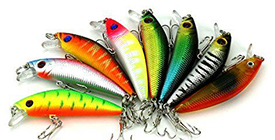
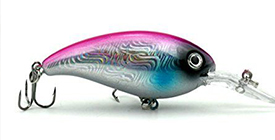
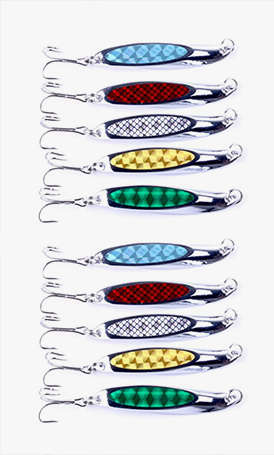

Let me set the scene for you. It was a crisp October morning on Lake Michigan, the kind where the air nips at your cheeks and the water’s so calm it mirrors the pink-and-orange sunrise. I’d been fishing these waters for over 15 years, but that day I was targeting something I’d only dabbled in before: squid. My buddy Jake had talked my ear off about how effective squid jigs were here, so I decided to give them a shot.
Water temp was a steady 62°F, and the wind was barely a whisper. I’d rigged up a simple setup with a LENPABY squid jig that Jake had sworn by—bright green, with a flared skirt and a single sharp hook. I cast out about 150 feet from shore, let the jig sink to around 30 feet, and started a slow, rhythmic retrieve. For the first 20 minutes, nothing. Not a nibble, not a tug. I was starting to think Jake had pulled my leg.
Then, out of nowhere, the line went tight. I set the hook hard, and the rod bent like a bow. The fight was wild—squid don’t fight like bass or walleye. They dart and twist, pulling your line in short bursts. After a few tense minutes, I hauled a 12-inch squid onto the rocks. The feeling of that first catch was electric, and I was hooked. Over the next few hours, I landed 10 more squid, all on that same green jig. That day changed the way I fish for squid forever.
Why Squid Jigs Are a Game-Changer
Now, if you’re like I was before that Lake Michigan trip, you might be wondering what all the fuss is about squid jigs. Let me tell you—they’re not just for targeting squid. These versatile lures work wonders on a wide range of predatory fish, too. I’ve caught bass, walleye, and even northern pike on squid jigs in lakes across the country.
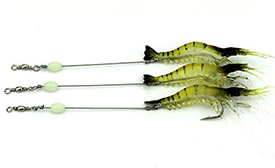
One of my favorite spots to use squid jigs for predators is Lake Texoma, which straddles the Texas-Oklahoma border. The water here is usually around 68°F in late spring, and the bass are on the move. I’ll tie on a soft plastic squid jig from LENPABY’s Soft Plastics collection—usually a translucent white with blue accents—and cast it near submerged brush piles. The jig’s slow sink and fluttering action drive bass crazy. I’ve had days where I catch 20+ bass on squid jigs alone.
The key to squid jigs’ success is their unique design. Unlike traditional lures, squid jigs mimic the natural movement of squid in the water. They have a weighted head that causes them to sink at a controlled rate, and a skirt or body that flutters as you retrieve them. This combination of slow sink and erratic movement is irresistible to both squid and predatory fish.
Choosing the Right Squid Jig
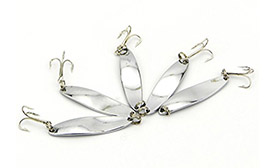
Size is another important factor. For targeting small to medium squid, jigs in the 2.5 to 3.5-inch range work best. If you’re after larger squid or using the jig as a predator lure, go for jigs 4 inches or longer. I also pay attention to the hook setup. Jigs with a single sharp hook are great for squid, while those with treble hooks are better for predatory fish.
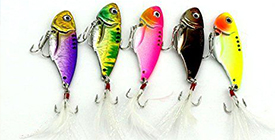
Don’t be afraid to experiment with different styles, either. LENPABY offers a wide range of squid jigs in their Predator Fish Specials section, from traditional flared skirt jigs to more modern soft plastic designs. I’ve had success with both, and it often depends on the day and the fish’s mood.
Mastering the Retrieve
Once you’ve picked the right jig, it’s all about the retrieve. For squid, a slow, steady retrieve with occasional pauses works well. I’ll reel in a few feet, stop for 10-15 seconds, and repeat. This mimics the way squid swim—slowly drifting, then darting forward. When I feel a tug, I set the hook hard but smoothly to avoid tearing the squid’s soft body.
When using squid jigs for predators, I mix things up. Sometimes I’ll do a fast, erratic retrieve to trigger a reaction strike, especially with bass or pike. Other times, I’ll use a slow, bouncing retrieve near the bottom to target walleye or catfish. Honestly, the best way to learn is to experiment. Try different retrieve speeds and patterns until you find what works on that particular day.
One of my biggest failures with squid jigs happened on the Mississippi River in Iowa. The water was murky, and I was using a bright pink jig. I was doing a fast retrieve, but not getting any bites. After an hour of frustration, I switched to a slow, bouncing retrieve with a darker green jig. Within minutes, I caught a 20-inch walleye. That taught me that sometimes, the simplest adjustment can make all the difference.
Tips for Success with Squid Jigs
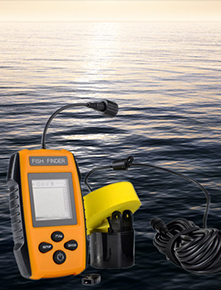
Another tip is to match your jig to the depth you’re fishing. If you’re targeting squid in shallow water (less than 20 feet), use a lighter jig that sinks slowly. For deeper water, go for a heavier jig that will reach the bottom faster. I also like to use a depth finder to help me locate squid or predator fish, especially on larger lakes like Lake Michigan.
Don’t be afraid to fish squid jigs in different types of water. I’ve had success in lakes, rivers, and even saltwater bays. In rivers, I’ll cast near eddies or submerged logs where fish like to hide. In saltwater, I’ll target areas near jetties or reefs where squid and predators congregate.
Over the past 20 years, I’ve fished with countless lures, but squid jigs have quickly become one of my favorites. They’re versatile, effective, and fun to use. Whether you’re targeting squid on Lake Michigan, bass on Lake Texoma, or walleye on the Mississippi River, squid jigs are a tool every angler should have in their tackle box.
If you’re new to squid jigs, I recommend starting with a few different colors and sizes from LENPABY’s Predator Fish Specials and Soft Plastics collections. Experiment with different retrieve patterns and depths, and don’t get discouraged if you don’t catch anything right away. Fishing is all about trial and error, and the more you practice, the better you’ll get.
So next time you head out to the lake or river, why not give squid jigs a try? Who knows—you might just have a fishing trip that changes the way you look at this amazing sport.
Actionable Tip: Before your next fishing trip, soak your squid jigs in a fish attractant for 15-20 minutes. This will help mask any human scents on the lure and make it more appealing to fish. I use a garlic or shad-scented attractant, and it’s never let me down.


