






Why Popper Lures Are My Go-To for Bass Fishing – A 20-Year Texas Fisherman’s Story
Let me set the scene for you: it was a crisp October morning on Lake Okeechobee in Florida. The sun was just peeking over the palm trees, casting a golden hue on the calm water. I’d been fishing since before dawn, and the air was still cool. My hands were a bit cold from holding onto the rod, but the excitement of the day kept me warm.
I’d brought along a Hard Baits tackle box filled with all sorts of lures, but there was one in particular that had been on my mind: a bright yellow popper lure. The water temperature was 68°F, and I’d heard that bass were feeding near the surface on early mornings like this. I tied the popper onto my line, cast it out, and waited.
Within seconds, I felt a sharp tug on the line. The bass had taken the popper, and the fight was on! The fish was strong, pulling me back and forth across the lake. After a few minutes, I managed to reel it in – a beautiful 5-pound largemouth bass. That moment sealed my love for popper lures, and I’ve been using them ever since.
Why Popper Lures Work So Well
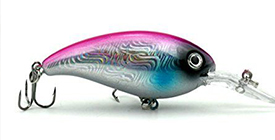
Let me tell you, popper lures are some of the most effective lures for bass fishing. The key to their success is the sound and movement they make when retrieved. The cup-shaped mouth of the popper creates a loud “pop” and splash as you reel it in, mimicking the sound of a small baitfish or insect struggling on the surface. This attracts the attention of bass, who are naturally drawn to movement and sound.
Another reason popper lures work so well is their versatility. You can use them in a variety of fishing environments, from lakes and rivers to ponds and streams. They’re also effective in different water temperatures, making them a reliable choice year-round.
When I first started using popper lures, I was amazed at how many different types of bass they could catch. Largemouth, smallmouth, and spotted bass all seem to love poppers. I’ve even caught some panfish, like bluegill and crappie, using poppers in smaller sizes.
Choosing the Right Popper Lure
Not all popper lures are created equal, though. The size and color of the popper you choose depend on the type of bass you’re targeting and the fishing conditions. For example, if you’re fishing in a clear lake on a bright, sunny day, a smaller, more natural-colored popper might work best. On the other hand, if you’re fishing in a murky river on an overcast day, a larger, brighter popper might be more effective.
I remember one time I was fishing on Lake Michigan in June. The water was 65°F, and the sun was shining bright. I’d brought along a few different poppers, including a small, silver popper with a white belly. I cast it out, and within minutes, I caught a 3-pound smallmouth bass. The silver color blended in with the sun reflection on the water, making it look like a real baitfish.
Another time, I was fishing on Lake Texoma in Texas. The water was a bit murky, and the sky was overcast. I used a larger, red popper with black stripes. The bright color stood out in the murky water, and I ended up catching a 4-pound largemouth bass. The sound of the popper in the water was loud and attention-grabbing, which helped attract the bass.
Techniques for Using Popper Lures
Using a popper lure requires a specific technique to get the best results. The most common technique is to cast the popper out and let it sit on the surface for a few seconds. Then, use a short, sharp retrieval to make the popper “pop” and splash. Wait a second or two, and repeat. This imitates the movement of a struggling baitfish or insect, which bass find irresistible.
One tip I’ve learned over the years is to vary your retrieval speed. Sometimes, a slow retrieval works best, while other times, a faster retrieval is more effective. It’s all about what the bass are responding to that day. I’ve also found that using a pause-and-go retrieval can be very effective. After you make the popper “pop,” pause for a few seconds before retrieving again. This gives the bass time to locate the popper and take it.
Another technique I use is to cast the popper near structure, like trees or rocks. Bass often hide in these areas, waiting for their next meal. By casting the popper near structure, you increase your chances of catching a bass.
My Go-To Popper Lures
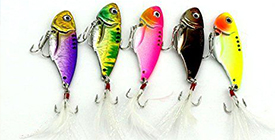
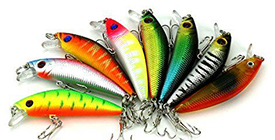
Over the years, I’ve tried many different popper lures, and there are a few that have become my go-to’s. One of my favorites is the LENPABY Popper Lure in yellow. This popper is durable and has a loud, attention-grabbing pop. I’ve caught more bass with this lure than any other popper I’ve tried.
I also love the LENPABY Popper Lure in red. This popper is perfect for fishing in murky water, as the bright color stands out. It’s also very durable, which is important when fishing near rocks or trees.
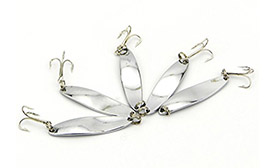
Another popper that I use often is the LENPABY Popper Lure in silver. This popper is great for fishing in clear water on sunny days. The silver color blends in with the sun reflection, making it look like a real baitfish.
Using Popper Lures with Other Lures
One of the great things about popper lures is that they can be used in conjunction with other lures. For example, you can use a popper lure as a topwater bait, and then switch to a Soft Lures when the bass stop biting. This combination of lures can be very effective, as it allows you to target bass at different depths.
I remember one time I was fishing on the Mississippi River in Louisiana. I’d been using a popper lure for about an hour, but the bass had stopped biting. I decided to switch to a soft plastic worm, and within minutes, I caught a 3-pound largemouth bass. The combination of the popper lure and soft plastic worm was very effective that day.
Final Thoughts on Popper Lures
Let me tell you, popper lures are a must-have for any bass fisherman. They’re versatile, effective, and fun to use. Whether you’re fishing on a lake, river, pond, or stream, a popper lure can help you catch more bass.
Over the years, I’ve had my share of failures when using popper lures. I’ve had days where I didn’t catch a single bass, and I’ve had days where I caught more bass than I could count. But every time I use a popper lure, I’m reminded of that first bass I caught on Lake Okeechobee. It’s a feeling I’ll never forget.
Actionable Tip
Here’s a small, actionable tip for you: next time you’re fishing with a popper lure, try varying your retrieval speed. Sometimes, a slow retrieval works best, while other times, a faster retrieval is more effective. It’s all about what the bass are responding to that day. And don’t be afraid to experiment with different colors and sizes of poppers. You never know what will work until you try it.


