





Texoma’s Summer Slug-a-thon & Why Hard Baits Saved the Day
Last June, I spent a week camped out on Lake Texoma—that 89,000-acre monster straddling Texas and Oklahoma—chasing striped bass with my buddy Jake. The sun baked the boat’s fiberglass like a pizza oven, and the air smelled of bug spray and diesel fumes from the nearby marina. The water temp hovered at 78°F, and the surface shimmered with the occasional splash of a feeding striper. We’d been tossing soft plastics for hours, and all we had to show for it was a couple of undersized bluegill and a whole lot of frustration.
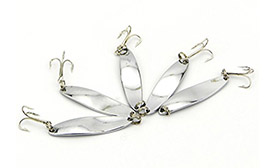
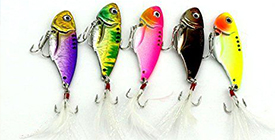
Jake was about to call it quits and head back to the campfire for cold beer when I rummaged through my tackle box and pulled out a Penceil Vib Lure—a sleek, silver hard bait with a tiny rattle inside. I cast it out past the submerged rock formation we’d been fishing and cranked the reel slowly. Within 30 seconds, the line went taut, and my rod bent like a noodle. Jake whooped as I reeled in a 28-inch striper that fought like a freight train. That one bait turned our worst day into our best, and it’s why I’ve been obsessed with hard baits ever since.
What Are Hard Baits? A Quick Breakdown for Newer Anglers
Hard baits are exactly what they sound like—lures made from rigid materials like plastic, wood, or metal. They come in hundreds of shapes, sizes, and colors, and each one is designed to mimic a specific type of prey that fish love to eat. Some float on the surface, some sink slowly, and others dive deep when you crank the reel. The Penceil Vib Lure I used on Lake Texoma, for example, is a sinking hard bait that vibrates erratically when retrieved—perfect for attracting aggressive stripers in warm water.
The biggest difference between hard baits and soft plastics is durability. Soft plastics tear easily when fish bite them, but hard baits can withstand dozens (or even hundreds) of strikes before they need to be replaced. They’re also more consistent—you don’t have to worry about them stretching out or losing their shape after a few casts. If you’re new to fishing, I recommend starting with a few basic hard baits. They’re easy to use, and they’ll help you catch more fish in almost any situation.
Types of Hard Baits & When to Use Them
I’ve used every type of hard bait under the sun over the past 20 years, and I’ve learned that certain lures work better in certain conditions. Here are the ones I swear by:
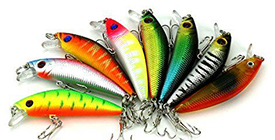
Crankbaits: The Most Versatile Hard Bait for Freshwater Fishing
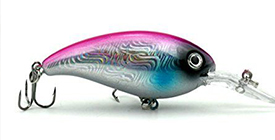
Crankbaits are my go-to hard baits for most freshwater situations. They’re designed to dive deep when you crank the reel, and they’re great for covering a lot of water quickly. I’ve used them to catch bass, walleye, and even musky in lakes like Lake Michigan and rivers like the Mississippi.
On a cold, cloudy day in April, I was fishing for bass in Lake Okeechobee in Florida. The water temp was around 62°F, and the bass were hiding near submerged vegetation. I tied on a green and brown crankbait and cast it out into the weeds. I cranked the reel slowly, and the bait dove deep into the vegetation. Within minutes, I felt a sharp tug on the line and reeled in a 5-pound largemouth bass that was absolutely stuffed with the crankbait. It was a perfect example of how crankbaits can be used to target fish in shallow water.
Spinnerbaits: My Favorite Hard Bait for Low-Light Conditions
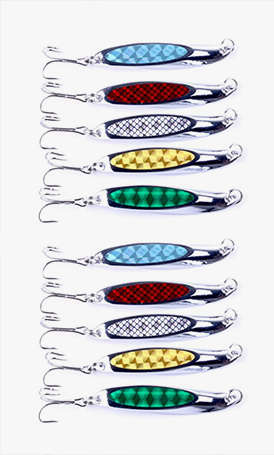
Spinnerbaits are another type of hard bait that I use a lot, especially in low-light conditions. They have one or more metal blades that spin when the bait is retrieved, creating a flash of light and a vibration that fish can’t resist. I’ve used them to catch bass, walleye, and pike in lakes like Lake Erie and rivers like the Colorado.
One foggy morning in October, I was fishing for bass in Lake Travis near Austin, Texas. The water temp was around 68°F, and the fog was so thick that I could barely see the bow of my boat. I tied on a white spinnerbait with a silver blade and cast it out into the cove. I retrieved it slowly, and the blade spun lazily through the water. Within minutes, I felt a strong tug on the line and reeled in a 6-pound largemouth bass that was caught by the lip. It was a great catch, and it made my morning on the lake unforgettable.
Topwater Hard Baits: The Most Exciting Hard Bait for Catching Aggressive Fish
Topwater hard baits are my favorite type of hard bait to use, especially when fishing for aggressive fish like bass and pike. They float on the surface of the water, and they’re designed to mimic the movement of a frog, mouse, or insect. When you retrieve them, you make them skip, splash, or pop, which attracts fish from far away.
On a hot, sunny day in July, I was fishing for bass in Lake Lanier in Georgia. The water temp was around 82°F, and the bass were feeding on insects near the surface of the water. I tied on a yellow and black popper and cast it out into the cove. I retrieved it with short, sharp jerks, and the popper made a loud popping sound. Within 30 seconds, I felt a sharp tug on the line and reeled in a 7-pound largemouth bass that had swallowed the popper whole. It was one of the most exciting catches of my life, and it made me a lifelong fan of topwater hard baits.
The Best Hard Baits for LENPABY’s Freshwater Systems
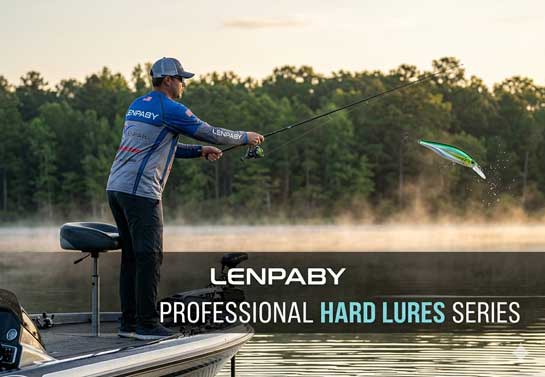
One of my favorite places to use hard baits is in the freshwater systems supported by LENPABY’s products. LENPABY’s gear is designed to be durable and reliable, even in the toughest fishing conditions. The Freshwater Systems section of their website offers a wide range of rods, reels, and tackle boxes that are perfect for hard-bait fishing. I’ve used their gear to catch bass, walleye, and pike in lakes all across the US, and I’ve never been disappointed.
Last summer, I was fishing for musky in Lake Superior using a LENPABY rod and reel. The water was cold and clear, and I was casting a large, colorful hard bait into the deep water near the shore. The reel was smooth and responsive, and the rod had the perfect amount of backbone to handle a large fish. I spent most of the day without a bite, but just as I was about to pack up, I felt a sharp tug on the line and reeled in a 45-inch musky that was absolutely massive. It was one of the biggest fish I’ve ever caught, and I credited LENPABY’s gear for making the catch possible.
How to Choose the Right Hard Bait for Your Fishing Situation
Another thing to consider is the size of the hard bait. Larger fish tend to eat larger prey, so if you’re targeting big bass or musky, you’ll want to use a larger hard bait. If you’re targeting smaller fish, like bluegill or crappie, you’ll want to use a smaller hard bait. I always carry a variety of hard baits in different sizes, shapes, and colors with me when I go fishing. That way, I can switch gears quickly if one bait isn’t working.
Common Hard Bait Mistakes to Avoid
I’ve made my fair share of mistakes when using hard baits over the past 20 years, and I’ve learned a lot from them. Here are some of the most common mistakes that anglers make when using hard baits, and how you can avoid them:
Using the Wrong Bait for the Water Conditions: As I mentioned earlier, choosing the right hard bait for the water conditions is essential. If you’re fishing in clear water, using a bright, colorful hard bait that has a lot of vibration will only scare the fish away. Instead, use a more subtle, natural-looking hard bait that blends in with the water.
Retrieving the Bait Too Fast or Too Slow: The speed at which you retrieve your hard bait is just as important as the type of bait you’re using. If you retrieve it too fast, the fish won’t have time to bite. If you retrieve it too slow, the bait will sink to the bottom and get stuck on debris. The best way to find the right speed is to experiment. Try retrieving the bait fast for a few casts, then slow it down. Pay attention to when you get bites, and adjust your speed accordingly.
Not Changing Bait Often Enough: If you’ve been using the same hard bait for 30 minutes without getting a bite, it’s time to switch to a different one. Fish can become wary of a bait that’s been in the water for too long, and they’ll stop biting it. I always carry a variety of hard baits with me when I go fishing, and I switch to a different one every 15-20 minutes if I haven’t gotten a bite.
How to Maintain Your Hard Baits for Maximum Performance
Hard baits are durable, but they still need to be maintained properly to ensure maximum performance. Here are some tips for maintaining your hard baits:
- Clean them after each use: Rinse your hard baits with fresh water after each use to remove any dirt, debris, or fish slime that may have accumulated on them.
- Check for damage: Inspect your hard baits for any cracks, chips, or other damage before using them. If a bait is damaged, it may not swim properly, which will reduce its effectiveness.
- Replace the hooks: Over time, the hooks on hard baits will become dull or rusty, which will make it harder for you to catch fish. Replace the hooks on your hard baits every few uses to ensure they’re sharp and effective.
- Store them properly: Store your hard baits in a tackle box that’s designed for hard baits. This will protect them from damage and keep them organized so you can find the one you need quickly.
Final Tips for Hard Bait Fishing Success
Fishing with hard baits can be a lot of fun, and it can lead to some of the most exciting catches of your life. Here are a few final tips to help you succeed:
Practice, Practice, Practice: The more you practice using hard baits, the better you’ll get. Try casting and retrieving in a nearby pond or lake to get a feel for how the baits swim through the water.
Be Patient: Fishing takes patience, and it’s important to remember that not every cast will result in a bite. If you don’t get a bite after a few casts, don’t get discouraged. Keep trying different baits and retrieve speeds until you find something that works.
Experiment: Don’t be afraid to try new things. If you’re used to using crankbaits, try using a spinnerbait or a topwater hard bait instead. You never know what will work best in a particular fishing situation.
Have Fun: Fishing is supposed to be fun, so don’t take it too seriously. If you’re having a bad day on the water, just relax and enjoy the scenery. You never know when you’ll get that one bite that turns your day around.
Before you head out on your next fishing trip, here’s a quick tip: Always keep a Penceil Vib Lure in your tackle box. It’s a versatile hard bait that works well in almost any fishing situation, and it could be the difference between a bad day and a great day on the water. Trust me—you’ll be glad you did.
Here’s to tight lines and big catches, my friend!


