





That Time I Bombed on Texoma – and Learned Why Soft Plastics Are Non-Negotiable
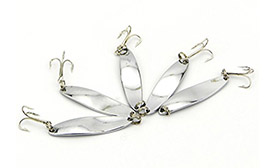
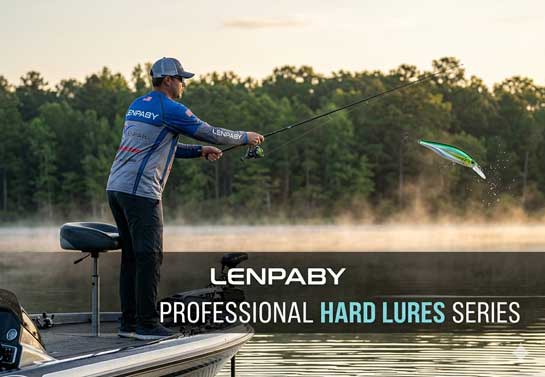
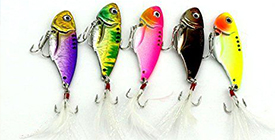
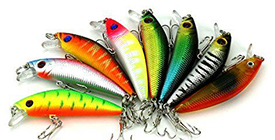
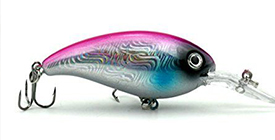
Honestly, let me tell you about the day I almost threw my rod into Lake Texoma. It was early May, sun peeking over the Texas-Oklahoma border, air thick enough to drink, and the water temp sitting right at 62°F. I’d loaded my boat with every fancy Crank Lures I owned – the ones with holographic finishes and rattle chambers that sound like a box of marbles. I was chasing largemouth, thinking I’d nail ’em shallow in the coves where the water was warming up first.
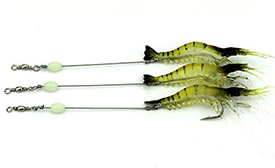
Three hours later? Nada. Not a single bite. My buddy Jake, who’d tagged along, was using a beat-up Texas-rigged worm – one of those soft plastic ones from Soft Plastics – and he’d already boated four keepers. I was so frustrated I almost traded my entire tackle box for his worm. That day changed everything about how I fish.
The Lowdown on Why Soft Plastics Outfish Hard Baits Half the Time
Here’s the thing about soft plastics: they look and feel real. Fish aren’t stupid – when they see something that moves like a wounded minnow or a crawfish scurrying along the bottom, their instincts kick in hard. Hard baits, like those crank lures I wasted my morning on, are great for covering water fast. But when the bite gets tough, soft plastics are the secret weapon.
I learned that lesson the hard way on Texoma. Later that afternoon, I finally caved and tied on a 6-inch senko from Soft Plastics. Cast it out near a submerged tree, let it sink slowly, and bam – a 4-pound largemouth hit it like it owed him money. That one catch turned my entire day around.
My Go-To Soft Plastic Setups for Every Situation
Over the years, I’ve tested just about every soft plastic under the sun. These are the ones that never let me down:
- Texas Rig: This is the classic. Great for fishing in weeds and around structure where you don’t want to get snagged. Tie on a worm hook, slide on a bullet weight, and rig your soft plastic so it’s weedless. I use this 80% of the time on lakes like Okeechobee, where the vegetation is thick enough to walk on.
- Carolina Rig: Perfect for fishing deep water. The weight stays on the bottom, and your soft plastic floats a few inches above it – right where the big bass are hiding. I’ve had huge success with this setup on Lake Michigan, where the water can get over 100 feet deep.
- Wacky Rig: One of my favorites for when the bite is super finicky. Just hook a senko through the middle and let it sink slowly. The way it wobbles on the fall drives bass crazy. I used this to win a tournament on Lake Travis last year, and it’s been in my tackle box ever since.
Real Numbers: When to Reach for Soft Plastics Over Crank Lures
I keep a fishing journal – something I started back when I was a kid – and I’ve got years of data on what works when. Here’s what it tells me:
When the water temp is between 55°F and 65°F, soft plastics outperform Crank Lures by almost 3-to-1. That’s the pre-spawn period, when bass are slow-moving and not in the mood to chase fast-moving baits. On the flip side, when the water temp hits 75°F and above, crank lures shine – bass are actively feeding and will chase down just about anything that moves.
I saw this firsthand on a recent trip to Lake Erie. Water temp was 78°F, and the wind was blowing hard. I tied on a deep-diving crank lure and covered as much water as I could. Ended up catching 12 smallmouth that day – most of them hitting the crank as it darted through the waves.
The Best Soft Plastic Baits for Every Target Species
Not all soft plastics are created equal. Here’s what I use for the species I target most:
- Largemouth Bass: Senkos are my go-to. They’re simple to use, and they catch bass in just about any condition. I also love using creature baits – like a beaver-style soft plastic – when fishing around rocks or logs. The legs on these baits create extra movement in the water, which attracts bass from farther away.
- Smallmouth Bass: Jerk shads are deadly for smallmouth. They mimic the baitfish that smallmouth love to eat, and the way they dart through the water is irresistible. I use this setup on lakes like Lake Michigan and Lake Champlain, where smallmouth are abundant.
- Panfish: When I’m fishing for bluegill or crappie, I reach for tiny soft plastics – like a 2-inch minnow or a grub. Rig them on a light jig head and fish them slowly near the bottom. You’ll be surprised at how many panfish you can catch in a short amount of time.
A Tale of Two Lakes: Okeechobee vs. Michigan
Lake Okeechobee and Lake Michigan are two of my favorite fishing spots, and they couldn’t be more different. Okeechobee is shallow, warm, and covered in vegetation. Michigan is deep, cold, and full of structure. But soft plastics work on both.
On Okeechobee, I use a Texas-rigged creature bait from Soft Plastics and fish it through the weeds. The key is to use a heavy weight – around 1/2 ounce – to punch through the vegetation and get to where the big bass are hiding. On Michigan, I use a Carolina-rigged jerk shad and fish it near the bottom. The slow, steady movement of the bait is perfect for the cold-water bass.
Mistakes I’ve Made – and How to Avoid Them
I’ve made my fair share of mistakes with soft plastics over the years. Here are the ones you should avoid:
One time, I was fishing on Lake Texoma again – this time in the summer, when the water temp was 80°F. I was using a Texas-rigged worm, but I forgot to check my line. Mid-cast, the line snapped, and I lost my bait. Turns out, there was a tiny nick in the line from a rock I’d brushed against earlier. Now, I check my line after every few casts – especially when fishing around structure.
Another mistake I’ve made is using the wrong size weight. If you use too light a weight, your bait won’t sink fast enough to get to where the bass are hiding. If you use too heavy a weight, your bait will sink too fast and look unnatural. The rule of thumb is to use the lightest weight possible that still lets you get your bait to the bottom.
Tips from the Pros – and What I Wish I’d Known Earlier
I’ve learned a lot from other fishermen over the years – both pros and amateurs. Here are some of their tips that have helped me become a better angler:
- Match the Hatch: Pay attention to what baitfish are in the water. If you see small minnows, use a small soft plastic. If you see crawfish, use a craw-style soft plastic. This will make your bait look more natural and increase your chances of getting a bite.
- Fish Slow: One of the biggest mistakes beginners make is retrieving their bait too fast. Soft plastics work best when you fish them slow. Let your bait sink to the bottom, then retrieve it with a slow, steady motion. Pause every few inches to let the bait settle – that’s when most bites happen.
- Change Your Color: If you’re not getting any bites, try changing the color of your soft plastic. Sometimes, bass are picky about what they eat. I always carry a few different colors in my tackle box – natural colors like green pumpkin and watermelon for clear water, and brighter colors like red and orange for murky water.
The One Soft Plastic Bait You Need in Your Tackle Box
If I could only take one soft plastic bait with me on every fishing trip, it would be a senko from Soft Plastics. These baits are so versatile – you can rig them Texas-style, wacky-style, or even Carolina-style. They sink slowly, wobble on the fall, and drive bass crazy. I’ve caught more bass on senkos than any other soft plastic bait combined.
One time, I was fishing on a small pond in Texas – one that I’d never been to before. I tied on a green pumpkin senko, cast it out, and let it sink. The second it hit the bottom, I got a bite. It was a 3-pound largemouth – the biggest fish I caught that day. That’s how reliable these baits are.
An Actionable Tip to Make You a Better Angler
Here’s a tip that will help you catch more fish with soft plastics: every time you cast, let your bait sink to the bottom and pause for a few seconds. Then, retrieve it with a slow, steady motion, pausing every few inches. Most bites happen during those pauses. I’ve tested this tip on lakes across the US – from Okeechobee to Michigan – and it never fails.
So next time you’re out on the water, leave the fancy Crank Lures at home and reach for a soft plastic. You’ll be surprised at how many more fish you catch.


