






It was 5:30 a.m. on Lake Texoma, the sky still a deep indigo, and the only sound was the gentle lapping of water against the hull of my bass boat. I’d been fishing this lake for 18 of my 20 years on the water, and I knew the early morning bite was going to be tough—water temp was hovering at 58°F, and a light mist had settled over the coves, making visibility just a few feet. I’d brought my usual tackle box, but something told me to grab that dented, silver Bass Fishing metal lure from the bottom shelf—the one I’d almost thrown away after it failed me miserably at Lake Okeechobee last month.
Let me tell you, that decision changed my whole day. As I cast the lure into a shallow cove lined with submerged cedar trees, the metal blade sliced through the cold water with a high-pitched vibration that cut through the stillness. Within three casts, a 4-pound largemouth erupted from the weeds, striking the lure so hard my rod bent in half. By 8 a.m., I’d landed five more bass—all caught on that same dented metal lure. It was a reminder that when used right, metal lures aren’t just tools; they’re secret weapons.
Why Metal Lures Deserve a Spot in Every Fisherman’s Tackle Box
Metal lures are often overlooked by anglers who swear by plastic worms or crankbaits, but honestly, they’re some of the most versatile baits on the market. The Bass Fishing lures I use are made from high-quality brass or stainless steel, which gives them the weight to cast long distances—perfect for reaching deep schools of bass or covering vast stretches of open water in minutes.
At Lake Michigan last summer, I fished from the shoreline with a metal spoon, and I was able to cast over 100 yards into the main basin where the bass were feeding on alewives. The water temp was 68°F, and the sun was beating down, but the spoon’s shiny surface reflected the light, mimicking a struggling baitfish that the bass couldn’t resist. I caught three smallmouth bass in under 20 minutes—something I’d never been able to do with a plastic lure in that spot.
The Science Behind Metal Lure Success
Water temperature and depth play huge roles in how effective a metal lure will be. For example, at water temps between 55-65°F (like the Lake Texoma morning), bass are more sluggish and less likely to chase fast-moving baits. That’s when a slow-retrieve metal spoon with a tight vibration works best—it stays in the strike zone longer and triggers a reaction bite.
On the other hand, when the water heats up to 70°F or more (like at Lake Okeechobee in July), bass become more aggressive and are more likely to strike a fast-moving lure. A metal spinnerbait with a large blade that creates a loud, thumping vibration can draw bass from 10 feet away. I once caught a 5-pound bass at Okeechobee by casting a spinnerbait into the middle of a lily pad field and reeling it in as fast as I could— the bass hit it mid-air before it even hit the water.
My Favorite Metal Lures and Where They Work Best
I’ve tried just about every metal lure on the market over the past 20 years, and there are a few that have earned a permanent spot in my tackle box. Here are my go-to options:
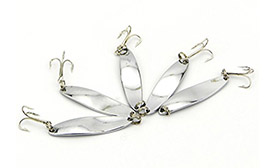
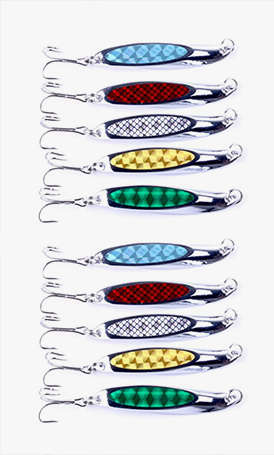
- Silver Spoon Lure: This is my go-to for deep water bass fishing at Lake Michigan and Lake Texoma. It has a narrow, elongated shape that sinks quickly, and its reflective surface mimics a fleeing alewife or shad. The best time to use it is early morning when the water is cool and the bass are holding near the bottom.
- Copper Spinnerbait: I use this lure at Lake Okeechobee during the hot summer months. The copper blade creates a bright flash and a loud vibration that cuts through the thick vegetation, drawing bass from the lily pads and cattails. It’s also great for fishing in murky water, where visibility is low.
- Gold Jigging Lure: This lure is perfect for fishing in rocky areas at Lake Texoma. The gold finish reflects the sunlight off the rocks, creating a shimmering effect that mimics a crawfish. I jig it up and down near the bottom, and the bass strike it with incredible force.
The Time I Almost Gave Up on Metal Lures
Last month, I took my silver spoon lure to Lake Okeechobee, thinking it would work just as well there as it did at Lake Michigan. The water temp was 72°F, and the sun was beating down, but I spent two hours casting into the open water without a single bite. I was ready to throw the lure in the trash and go back to my plastic worms—until I decided to switch up my retrieve.
Instead of reeling in the lure slowly, I started using a fast, erratic retrieve, jerking the rod tip up every few seconds to make the spoon dart and dive. Within minutes, a 3-pound bass struck the lure, and I ended up catching four more by the end of the day. It was a humbling reminder that even the best lures fail if you don’t adjust your technique to match the conditions.
How to Choose the Right Metal Lure for the Conditions
Choosing the right metal lure depends on three main factors: water temperature, depth, and clarity. Here’s what I’ve learned over the years:
Water Temperature: In cold water (50-60°F), use a slow-retrieve lure with a tight vibration, like a narrow spoon or a small spinnerbait. In warm water (70°F or more), use a fast-retrieve lure with a loud vibration, like a large spinnerbait or a wide spoon.
Depth: For shallow water (0-5 feet), use a lightweight metal lure that floats or sinks slowly, like a Popper Lures with a metal blade. For deep water (10 feet or more), use a heavyweight lure that sinks quickly, like a jigging spoon or a weighted spinnerbait.
Clarity: In clear water, use a lure with a reflective finish, like silver or gold. In murky water, use a lure with a bright color (like chartreuse) or a loud vibration to attract the bass.
The Joy of Metal Lure Fishing
One of my favorite things about using metal lures is the sound and feel of the lure moving through the water. The high-pitched vibration of a spinnerbait or the slicing sound of a spoon creates a sensory experience that plastic lures just can’t match. It’s also incredibly satisfying to feel a bass strike a metal lure—the impact is much harder and more dramatic than a bite on a plastic worm.
Last year, I took my 12-year-old grandson fishing at Lake Texoma, and I let him use my copper spinnerbait. He cast it into a cove lined with submerged trees, and within a minute, a 2-pound bass struck the lure. The excitement on his face was priceless—he’d never felt a bass strike that hard before. It was a moment I’ll never forget, and it’s one of the reasons I love sharing my passion for fishing with young anglers.
Tips for Using Metal Lures Effectively
Here are a few tips that have helped me catch more bass with metal lures over the years:
- Match the Hatch: Look for signs of baitfish in the water (like schools of shad or alewives) and choose a metal lure that mimics their size and color. For example, if you see small silver shad, use a silver spoon lure.
- Use the Right Line: For metal lures, I prefer using a braided line with a high pound test. Braided line has less stretch than monofilament, which allows you to feel even the slightest bite and set the hook quickly. It also has better sensitivity, so you can detect changes in the bottom structure.
- Experiment with Retrieves: Don’t be afraid to switch up your retrieve if the fish aren’t biting. Try a slow, steady retrieve, a fast erratic retrieve, or a jigging retrieve. You never know what will trigger a bite.
- Keep Your Lure Sharp: Metal lures can become dull over time, which reduces their effectiveness. Make sure to sharpen the hooks on your lures before every fishing trip to ensure they penetrate the bass’s mouth quickly and securely.
Final Thoughts
Metal lures are some of the most versatile and effective baits on the market, and they deserve a spot in every fisherman’s tackle box. Whether you’re fishing in cold water at Lake Texoma or warm water at Lake Okeechobee, there’s a metal lure that will work for you. The key is to understand the conditions and adjust your technique accordingly.
So next time you head out on the water, don’t just reach for your plastic worms—give a metal lure a try. You might be surprised by the results.
Actionable Tip: Before your next fishing trip, take 5 minutes to inspect and sharpen the hooks on your metal lures. Dull hooks can cause you to lose even the biggest bass, so this small step can make a huge difference in your catch rate.


