





Let me take you back to a crisp October morning on Lake Texoma, straddling Texas and Oklahoma. I’d loaded up my truck before dawn, coffee steaming in a dented travel mug, and hit the road while the stars were still out. By the time I launched my boat, the sky was turning a soft pink, and a light breeze rippled the water. The air had that cool, fresh scent of fall mixed with a hint of cedar from the nearby shorelines. Water temp was a perfect 68°F—prime time for bass. I anchored near a submerged structure I’d marked on my GPS the week before, tied on a bright green crank lure, and cast out. The sun was just clearing the trees when I felt that sharp, familiar tug. I set the hook, and the line sang as a 5-pound largemouth fought hard, leaping out of the water twice before I finally reeled it in. That catch wasn’t just lucky—it was the result of 20 years of trial and error, and the right fishing set. Today, I want to share what I’ve learned about putting together a high-performance setup that will help you land more fish, whether you’re on Texoma, Okeechobee, or any other US waterway.
The Foundation: Rod and Reel That Fit Your Style
Your rod and reel are the backbone of your fishing set. Choosing the right ones isn’t about picking the most expensive gear—it’s about matching them to the type of fishing you do. Let’s break it down.
For bass fishing on lakes like Texoma, I swear by a medium-heavy rod. It has just enough flexibility to feel even the subtlest bite but enough backbone to haul in big fish from thick cover. I pair it with a baitcasting reel that has a smooth drag system. Honestly, a reel that sticks when a bass is making a run can turn a great catch into a frustrating loss. I’ve had that happen too many times, and it’s a mistake I don’t want you to make. For freshwater trout fishing in streams like the Colorado River in Arizona, a lightweight spinning rod is your best bet. It’s sensitive enough to detect the gentle nibbles of smaller fish, and the spinning reel makes casting lightweight lures a breeze. When you’re on a boat, having a sturdy saltwater rod and reel combo is non-negotiable. I learned that the hard way on a trip to the Gulf of Mexico off the coast of Texas—my freshwater setup snapped like a twig when I hooked a redfish that had something to prove.
Another thing to consider is the line weight. For bass, I use 12-15 lb test monofilament—strong enough to handle vegetation and heavy cover. For trout, 4-6 lb test fluorocarbon is perfect because it’s almost invisible in the water. And if you’re targeting saltwater species like tarpon, don’t skimp on braided line—it’s incredibly strong and has minimal stretch, which means you’ll feel every bite and have more control when reeling in. Remember, the right line can make all the difference. I once lost a huge striper on Okeechobee because my line was too thin and frayed. That’s a mistake I’ll never make again.
Lures That Attract Big Fish Every Time
Now, let’s talk about lures—my favorite part of any fishing set. Lures are the bait that draws fish in, and choosing the right ones depends on the type of fish you’re targeting and the conditions you’re fishing in. Let’s dive in.
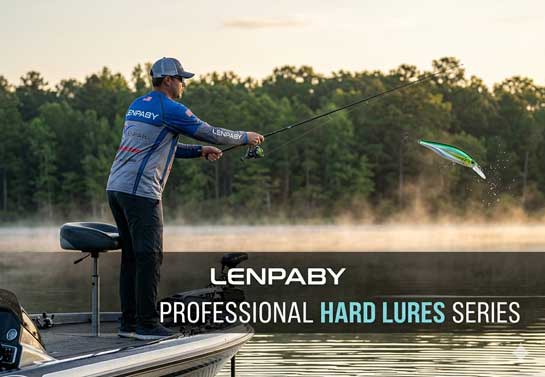
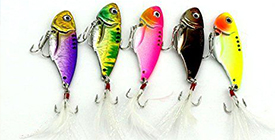
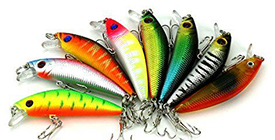
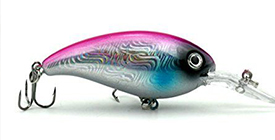
For bass fishing, crank lures are a staple. I keep a variety of colors in my tackle box—chartreuse, red, and white are my go-to’s. The bright green crank lure I used that morning on Texoma is one of my all-time favorites. It has a realistic swimming action that mimics a baitfish, and the noise it makes under the water drives bass crazy. When the water is clear, I’ll use a more natural color like brown or olive. If the water is murky, I’ll switch to something brighter to make sure the fish can see it. You can find some of the best crank lures on the market at Crank Lures—I’ve used them for years, and they never disappoint.
For walleye fishing on Lake Michigan, jigs are my weapon of choice. I’ll often tip them with a minnow or a piece of nightcrawler to add extra scent. The key is to bounce the jig off the bottom—walleye love to hide in deep water near the lake floor, and the movement of the jig attracts their attention. When the water is cold in the early spring or late fall, I’ll use a slower retrieve to give the fish more time to strike. I once caught a 10-pound walleye on Lake Michigan using a blue and silver jig—it was one of the best days of my fishing career.
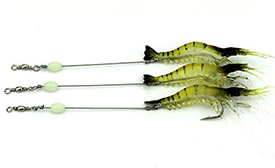
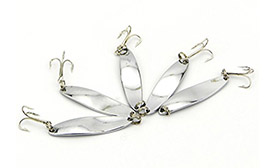
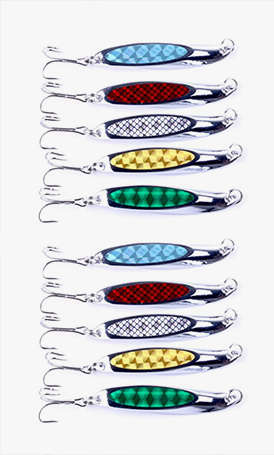
If you’re targeting predatory fish like pike or muskie, you need lures that are big, bold, and durable. I use large spoons and swimbaits that mimic the size of their prey. Predator fish have a reputation for being aggressive, and using the right lures can make all the difference. You can find some amazing predator fish specials at Predator Fish Specials—they have everything you need to take your predator fishing game to the next level.
Terminal Tackle That Makes a Difference
Terminal tackle might seem like small stuff, but it’s the unsung hero of any fishing set. Hooks, sinkers, swivels—these little pieces of gear can mean the difference between a day full of catches and a day of frustration. Let’s break it down.
Next, sinkers. The weight of your sinker depends on the depth of the water and the current. If you’re fishing in shallow water with no current, a small split shot sinker is all you need. If you’re fishing in deep water with a strong current, you’ll need a heavier sinker to keep your bait at the right depth. I keep a variety of sinker sizes in my tackle box, so I can adjust on the fly. For example, on a recent trip to the Mississippi River, I had to switch from a 1 oz sinker to a 3 oz sinker because the current was stronger than expected. Being prepared with the right sinkers saved my day.
Accessories That Elevate Your Fishing Experience
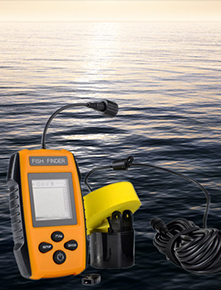
You might think that a fishing set is just rods, reels, lures, and tackle, but there are a few accessories that can make your time on the water more enjoyable and productive. Let’s talk about some of my favorites.
Tips and Tricks for Maximizing Your Catch
Even with the best fishing set, there are a few tips and tricks that can help you catch more fish. Let’s dive into what I’ve learned over the years.
Tying It All Together
Putting together a high-performance fishing set isn’t about buying the most expensive gear—it’s about understanding what each piece of equipment does and how it works together. Whether you’re fishing on a lake in Texas, a river in Arizona, or the Gulf of Mexico, having the right rod, reel, lures, tackle, and accessories can make all the difference. By following the tips and tricks I’ve shared, you’ll be well on your way to catching more fish and having a more enjoyable time on the water.
If you want to take your fishing game to the next level, check out Predator Fish Specials for some amazing deals on high-quality gear. And if you’re in the market for a new set of crank lures, be sure to visit Crank Lures—they have a wide variety of colors and styles to choose from.
Let me tell you, the right fishing set can turn an ordinary day on the water into an unforgettable one. I’ve spent 20 years exploring the waterways of the US, and I can honestly say that having the right gear has made all the difference. Whether you’re a seasoned pro or a beginner, investing in a high-performance fishing set is one of the best decisions you can make. So, next time you head out on the water, make sure you have everything you need to land that big catch. Happy fishing!
Actionable tip: Before your next fishing trip, take 10 minutes to organize your tackle box by lure type and color. This will make it easier to find what you need quickly, so you can spend more time fishing and less time digging through a mess. You’ll be surprised how much this simple step can improve your efficiency on the water.


