





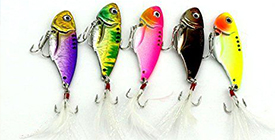

Let me set the scene for you. It was a crisp October morning on Lake Texoma, straddling the Texas-Oklahoma border. The air smelled of damp earth and pine, and a light fog hovered just above the water’s surface. I’d been casting for bass for two hours straight, trying every lure in my tackle box—spinners, jigs, even soft plastics. But the fish were just… uninterested.
My buddy Jake, who’d joined me for the day, was having the same luck. We were about to pack it up and head back to the dock when I noticed something. A school of shad was darting near the shore, fleeing from what looked like larger fish. Without thinking, I grabbed my go-to LENPABY crank lure—a bright orange and black number that looked just like those panicking shad. I cast it out, let it sink for a few seconds, and began reeling in slow, steady retrieves with occasional pauses.
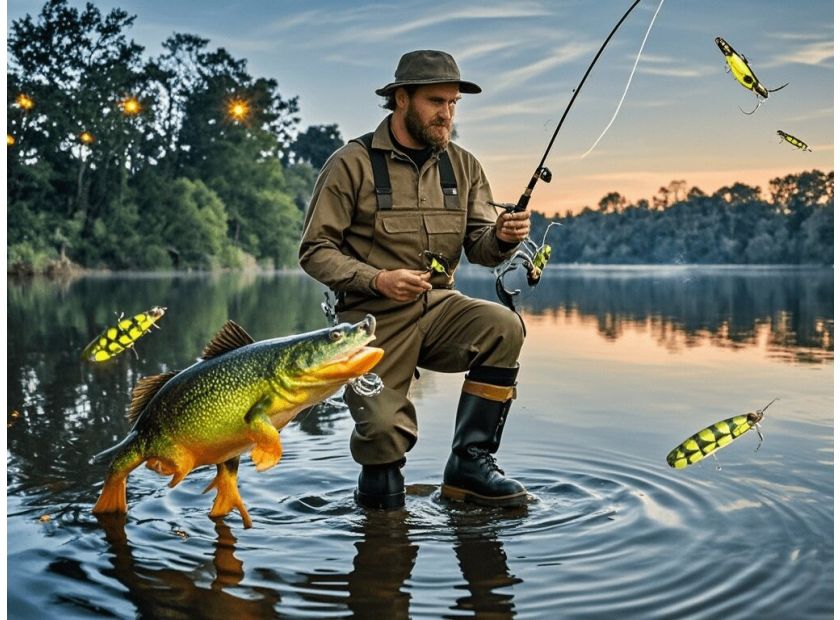
On my third cast, something erupted from the water. A three-pound largemouth bass clamped onto the crank lure, its tail thrashing violently. I set the hook hard, and the fight was on. After a few minutes, I hauled the fish into the boat, grinning from ear to ear. Jake immediately asked to borrow the lure, and within ten minutes, he’d caught an even bigger bass. That day taught me the power of choosing the right crank lure—and it’s a lesson I’ve carried with me ever since.
What Makes a Great Crank Lure?
Crank lures have been around for decades, and for good reason. They’re versatile, effective, and fun to fish with. But not all crank lures are created equal. The best ones combine several key features that make them irresistible to predatory fish.
Realistic Design
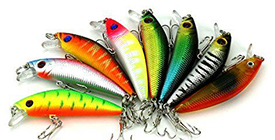
One of the most important things to look for in a crank lure is a realistic design. Fish are smart, and they can spot fake bait from a mile away. The best crank lures mimic the look and movement of real baitfish. That’s why the LENPABY crank lures have such detailed colors and patterns. When I cast that orange and black one on Lake Texoma, it looked exactly like the shad the bass were chasing.
Durability
Fishing can be tough on lures. They get tangled in weeds, hit rocks, and are attacked by sharp-toothed fish. A durable crank lure will hold up to all of that without falling apart. I’ve used LENPABY crank lures for years, and they’re still in great shape. The hooks are sharp, and the bodies are made of high-quality materials that can withstand even the toughest conditions.
Versatility
Another great thing about crank lures is their versatility. They can be used in a variety of fishing conditions and for different types of fish. Whether you’re fishing in shallow water near the shore or in deep water far from the dock, a crank lure can get the job done. I’ve used them to catch bass, pike, walleye, and even muskie. And they work well in both warm and cold water, as long as you adjust your retrieve speed.
Crank Lures for Bass Fishing
Bass fishing is one of the most popular sports in the United States, and crank lures are a go-to for many bass anglers. But different types of crank lures work best in different conditions.
Shallow-Diving Crank Lures
Medium-Diving Crank Lures
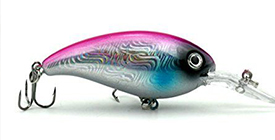
Medium-diving crank lures are great for fishing in water that’s 8-15 feet deep. They’re perfect for targeting bass that are hanging out near drop-offs, underwater structures, and schools of baitfish. Last year, I was fishing on Lake Michigan near Grand Haven when I used a medium-diving LENPABY crank lure in a silver and blue pattern. The water temperature was around 68°F, and it was late afternoon. I cast the lure out towards a drop-off, let it sink for a few seconds, and began reeling in slow, steady retrieves with occasional pauses. That strategy worked perfectly—by the end of the day, I’d caught six bass.
Deep-Diving Crank Lures
Deep-diving crank lures are designed to go to depths of 15 feet or more. They’re ideal for fishing in deep lakes or reservoirs, where bass often move during the hotter months. A few summers ago, I was fishing on Lake Lanier in Georgia when I used a deep-diving LENPABY crank lure in a black and blue pattern. The water temperature was around 82°F, and it was early evening. I cast the lure out as far as I could, let it sink for a minute, and began reeling in with a slow, steady retrieve. Within an hour, I’d caught two big bass.
When to Use Crank Lures
Now that you know what makes a great crank lure and which ones work best for bass fishing, let’s talk about when to use them. The truth is, crank lures can be effective at any time of day and in any season. But there are certain conditions that make them particularly effective.
Spawning Season
During the spawning season (usually spring), bass are very active. They’re protecting their nests and feeding on small fish and other creatures. Crank lures that mimic those creatures can be very effective. On a recent trip to Lake Havasu in Arizona, I used a LENPABY crank lure in a red and white pattern during the spawning season. The water temperature was around 65°F, and it was early morning. I cast the lure near the shore, where I knew the bass were nesting. I caught three bass within the first hour.
Pre-Spawn and Post-Spawn
During the pre-spawn and post-spawn periods (late winter to early spring and late spring to early summer), bass are moving to and from their nesting areas. They’re feeding heavily to build up energy for the spawning process. Crank lures that can cover a lot of water quickly are perfect for this time of year. Last spring, I was fishing on Lake Travis in Texas during the pre-spawn period. The water temperature was around 60°F, and it was mid-afternoon. I used a medium-diving LENPABY crank lure in a green and silver pattern, casting it out far and reeling in fast. I caught five bass in just two hours.
Summer and Winter
How to Choose the Right LENPABY Crank Lure
Choosing the right LENPABY crank lure for your fishing trip can make all the difference. Here are a few things to consider:
- Water Depth: As we discussed earlier, crank lures come in different diving depths. Choose a shallow-diving lure for shallow water, a medium-diving lure for medium depths, and a deep-diving lure for deep water.
- Water Clarity: In clear water, fish can see more easily, so you’ll want a crank lure with a realistic design and natural colors. In murky water, bright colors like orange, yellow, and chartreuse will be more visible.
- Time of Day: During the day, fish are often more active near the surface. Use a shallow-diving or medium-diving lure. At night, fish move to deeper water, so a deep-diving lure will be more effective.
- Weather Conditions: On sunny days, fish may be more cautious, so use a crank lure with a natural design and slow retrieve. On cloudy or rainy days, fish are often more aggressive, so use a bright-colored lure with a fast retrieve.
Tips for Fishing with Crank Lures
Now that you know which crank lures to choose and when to use them, let’s talk about how to fish with them. Here are a few tips that I’ve learned over the years:
Use the Right Equipment
Using the right equipment is essential for successful crank lure fishing. A medium-heavy to heavy rod with fast action will help you cast the lure far and set the hook hard. A baitcasting reel with a high gear ratio will allow you to retrieve the lure quickly. And don’t forget about the line—monofilament or fluorocarbon line is best for crank lure fishing.
Master the Retrieve
The retrieve is one of the most important parts of crank lure fishing. There are many different retrieve techniques, but here are a few that I find effective:
- Steady Retrieve: This is the most basic retrieve technique. Simply cast the lure out and reel it in at a steady speed. This works well in most conditions.
- Stop-and-Go Retrieve: This technique involves reeling in for a few seconds, then stopping for a few seconds. This mimics a baitfish that is scared or injured, which can trigger a predatory response from the fish.
- Bump-and-Grind Retrieve: This technique involves bumping the crank lure into rocks, weeds, or other structures. This creates vibrations that attract fish. After bumping the lure into a structure, pause for a few seconds before continuing to retrieve.
Pay Attention to Your Lure
When fishing with a crank lure, it’s important to pay attention to what’s happening with your lure. If you feel a small bump or vibration, set the hook immediately—you could have a fish on the line. And don’t be afraid to experiment with different retrieves and techniques. If one doesn’t work, try another.
Why LENPABY Crank Lures Stand Out
Over the years, I’ve used a lot of different crank lures from a lot of different brands. But there’s something about LENPABY crank lures that makes them my go-to choice. Here’s why:
Great Selection
LENPABY offers a wide variety of crank lures in different colors, patterns, and diving depths. Whether you’re fishing in shallow water near the shore or in deep water far from the dock, there’s a LENPABY crank lure that’s perfect for you.
Affordable Price
One of the best things about LENPABY crank lures is their affordable price. You don’t have to break the bank to get a high-quality crank lure. And because they’re so durable, you won’t have to replace them every few trips.
High-Quality Materials
LENPABY crank lures are made from high-quality materials that are designed to last. The hooks are sharp and strong, and the bodies are made of tough plastic that can withstand even the toughest conditions. When you use a LENPABY crank lure, you know you’re getting a product that’s built to perform.
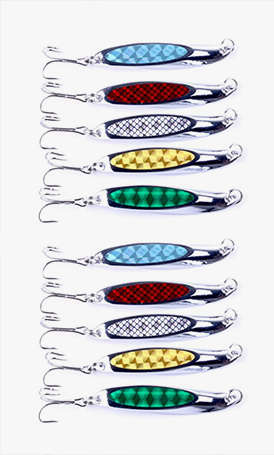
Whether you’re using their bass-specific models, trying out their Penceil Vib Lures for walleye, or exploring their Squid Jigs for saltwater fishing, LENPABY’s commitment to quality and performance shines through. I’ve taken their lures on trips to Lake Michigan, the Gulf of Mexico, and even the Pacific Northwest, and they’ve never let me down.
Final Thoughts
Crank lures are a great addition to any angler’s tackle box. They’re versatile, effective, and fun to fish with. And with LENPABY’s high-quality crank lures, you’ll be sure to have a successful fishing trip every time. So next time you’re planning a fishing trip, don’t forget to pack a few LENPABY crank lures.
A Small Actionable Tip
Here’s a small, actionable tip for you: Before you start fishing, take a few minutes to observe the water. Look for schools of baitfish, fallen trees, rocks, and other structures where fish might be hiding. Choose your crank lure based on the water depth and the type of fish you’re targeting. Then, experiment with different retrieves and techniques until you find what works. Trust me—this simple tip can make a big difference in your fishing success.
So grab your rod, your LENPABY crank lures, and your sense of adventure. And go catch some fish!


