






Sunrise on Lake Texoma: The Day I Learned to Trust Hard Baits
Let me set the scene for you—it was a crisp October morning on Lake Texoma, straddling the Texas-Oklahoma border, and I was bundled up in a worn flannel shirt, sipping on bitter black coffee from a dented thermos. The air had that sharp, autumnal bite that makes your breath fog up in front of you, and the lake was as smooth as glass, reflecting the first hints of pink and orange from the rising sun.
I’d been fishing this lake for over 15 years, always relying on my go-to live bait setup: a simple worm on a hook, weighed down by a split shot. That day, though, something felt off. As the sun climbed higher and the temperature inched up from 55°F to a balmy 68°F by mid-morning, I noticed the bass weren’t striking like they usually did. I’d cast my line into every brush pile and drop-off I knew, but all I got was a few nibbles and one measly 12-inch largemouth that barely qualified as a “keeper.”
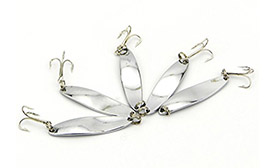
Frustration was starting to settle in when I spotted an old buddy, Jake, motoring over in his beat-up aluminum boat. Jake had been fishing Texoma almost as long as I had, and he’d recently gotten into using all sorts of Bass Fishing hard baits. He tied on a sleek minnow-shaped lure in silver and black, cast it out past a stand of submerged willows, and within 30 seconds, he was hauling in a fat 3.5-pound largemouth. “Hard baits are where it’s at today,” he yelled over the quiet hum of his motor. “The water’s warming up, and the bass are looking for something that moves like real prey.”
What Are Hard Baits and Why Do They Work So Well?
I’ll admit—I was skeptical at first. After all, I’d been catching bass on live bait for decades. But that day on Texoma taught me that hard baits are more than just a passing trend; they’re a game-changer in the world of Bass Fishing. Unlike soft plastics, which rely on the movement of the angler’s rod tip to mimic prey, hard baits are designed to create lifelike motion and vibrations in the water that trigger a bass’s natural predatory instincts.
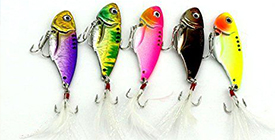
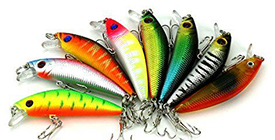
Hard baits come in all shapes, sizes, and styles, each designed to target specific bass behaviors and habitats. From fast-moving crankbaits that dive deep into drop-offs to slow-rolling spinnerbaits that hover over shallow weed beds, there’s a hard bait for every fishing scenario and every type of bass. They’re also incredibly durable—you can cast them hundreds of times without worrying about them tearing or falling apart, which means more time fishing and less time retying your line.
One of the things I love most about hard baits is their versatility. You can fish them at different speeds and depths, depending on the conditions. On a warm, sunny day when the bass are active and feeding near the surface, you might use a topwater popper or a shallow-diving crankbait. On a cooler day when the bass are holding tight to the bottom, a deep-diving crankbait or a jigging spoon might be more effective. Hard baits also allow you to cover a lot of water quickly, which is essential when you’re trying to locate schools of bass in a big lake like Lake Michigan.
The Different Types of Hard Baits and When to Use Them
Let’s take a closer look at some of the most popular hard bait styles and when to use them for maximum effectiveness:
Crankbaits
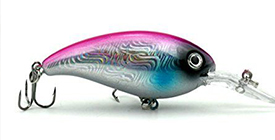
Crankbaits are a staple in any Bass Fishing tackle box, and for good reason. These lures feature a distinctive diving lip that causes them to dive to a specific depth when retrieved. Shallow-diving crankbaits (also known as “lipless crankbaits” if they don’t have a visible diving lip) are great for fishing in less than 10 feet of water, while deep-diving crankbaits can reach depths of 20 feet or more.
I remember one spring day on Lake Okeechobee in Florida when the water temperature had just hit 72°F. The bass were spawning near the shoreline, hiding in the thick beds of hydrilla and eelgrass. I tied on a shallow-diving crankbait in a green pumpkin color, cast it parallel to the shore, and retrieved it with short, jerky motions. Within minutes, I had my first strike—a beautiful 4-pound largemouth that exploded out of the grass and launched itself into the air before I could set the hook. Over the next few hours, I caught over a dozen bass using the same technique.
Jerkbaits
Jerkbaits are another popular hard bait style that’s perfect for cold water fishing. These long, slender lures are designed to mimic a wounded baitfish, and they’re fished with a “jerk-and-pause” retrieve that creates erratic, darting motion in the water. This movement is irresistible to bass that are feeling sluggish and less likely to chase fast-moving prey.
Last winter, I was fishing on the Mississippi River near Memphis, Tennessee, when the water temperature dropped to a frigid 48°F. The bass were holding tight to submerged rocks and concrete pilings, conserving their energy. I tied on a silver and black jerkbait, cast it out near a group of pilings, and let it sit for a few seconds before giving it a sharp jerk. The lure darted to the side, and almost immediately, I felt a strong tug. It was a fat 5-pound smallmouth that put up an incredible fight in the cold water. I ended up catching three more smallmouths that day using the same jerkbait technique.
Topwater Baits
There’s nothing quite like the thrill of catching a bass on a topwater bait. These lures float on the surface of the water and are designed to create commotion that attracts bass. From the loud “plop” of a Popper Lures to the smooth “walk-the-dog” action of a stickbait, topwater baits offer a wide range of fishing experiences.
One summer evening on Lake Travis near Austin, Texas, the temperature had climbed to a sweltering 95°F by midday, and the bass had been driven into deeper, cooler water to escape the heat. As the sun began to set and the temperature dropped to around 80°F, the bass started moving back to the shallows to feed. I tied on a bright yellow Popper Lures, cast it out near a stand of cypress trees, and started popping it gently. The sound of the lure splashing on the surface drew the attention of several bass, and within a few minutes, I had my first strike—a 3-pound largemouth that hit the popper with a loud “boom” that made my heart race. Over the next hour, I caught five more bass using the same popper, each one hitting with just as much ferocity as the first.
Spinnerbaits
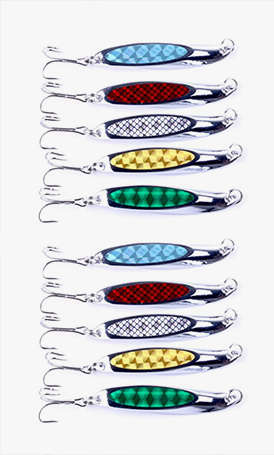
Spinnerbaits are a great choice for fishing in murky water or heavy cover, where bass rely more on their sense of vibration than their sense of sight. These lures feature one or more metal blades that spin when retrieved, creating both visual appeal and vibrations in the water that attract bass.
I remember a day on the Sabine River in East Texas when the water was so murky you could barely see your hand in front of your face. The bass were hiding in the thick cover of submerged logs and brush piles, and I’d been trying to catch them with live bait for over an hour without any luck. I decided to give a spinnerbait a try—a black and chartreuse model with a large willow leaf blade. I cast it into a gap between two submerged logs, retrieved it slowly, and felt a strong tug almost immediately. It was a 4.5-pound largemouth that had been lying in wait for something to come within striking distance. Over the next few hours, I caught several more bass using the same spinnerbait, proving that sometimes, vibration is more important than visibility.
Real-World Examples: Where and How Hard Baits Deliver Results
Let’s dive into some real-world examples of how different hard baits work in different US locations and conditions:
Smallmouth on Lake Michigan
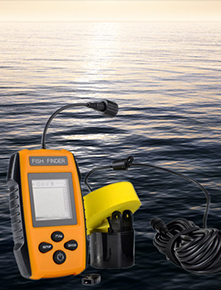
Lake Michigan is known for its trophy-sized smallmouth bass, and hard baits are a favorite among anglers targeting these feisty fish. One of the most effective techniques is trolling with deep-diving crankbaits in 15-25 feet of water, near rocky reefs and drop-offs. I’ve had great success using a shad-colored crankbait with a diving depth of 20 feet, trolling at a speed of 2-3 miles per hour. The key is to pay close attention to your depth finder and make sure your lure is staying near the bottom, where the smallmouth are most likely to be feeding.
Another effective technique for smallmouth on Lake Michigan is casting jerkbaits near rocky shorelines and breakwalls. In the spring, when the water temperature is between 45°F and 55°F, smallmouth will move into shallow water to spawn, and they’ll strike at almost anything that moves. I’ve had great success using a silver and white jerkbait with a realistic minnow profile, retrieved with short, sharp jerks followed by a pause. The erratic motion of the jerkbait mimics a wounded baitfish, which triggers the smallmouth’s predatory instincts.
Largemouth on Lake Okeechobee
Lake Okeechobee is a largemouth bass mecca, and hard baits are a must-have for any angler fishing this legendary lake. One of the most popular techniques is fishing shallow-diving crankbaits near the shoreline, where the bass hide in thick beds of hydrilla and eelgrass. I’ve had great success using a green pumpkin-colored crankbait with a diving depth of 5 feet, retrieved with a steady, medium-paced retrieve. The key is to cast your line parallel to the shore and keep your lure as close to the vegetation as possible without getting snagged.
Another effective technique for largemouth on Lake Okeechobee is fishing topwater baits in the early morning or late evening, when the water is cooler and the bass are more active. I’ve had great success using a frog-shaped topwater lure with a rubber skirt, retrieved with short, jerky motions. The frog’s lifelike movement and ability to float on top of the vegetation make it an irresistible target for largemouth bass. Just be sure to set the hook as soon as you feel a strike, or you might end up losing the fish.
Striped Bass on the Colorado River
The Colorado River, which runs through several states including Texas, Arizona, and California, is home to a healthy population of striped bass. These fish are known for their aggressive feeding habits and their willingness to strike at hard baits, especially when they’re feeding in schools. One of the most effective techniques is trolling with deep-diving crankbaits in 20-30 feet of water, near submerged rock piles and drop-offs. I’ve had great success using a shad-colored crankbait with a diving depth of 25 feet, trolling at a speed of 3-4 miles per hour.
Another effective technique for striped bass on the Colorado River is casting spinnerbaits near the surface of the water, especially in the early morning or late evening. Striped bass are often seen chasing schools of shad near the surface, and the vibration and flash of a spinnerbait can trigger a feeding frenzy. I’ve had great success using a silver and black spinnerbait with two willow leaf blades, retrieved with a fast, steady pace. The key is to cast your line into the middle of a school of shad and retrieve it as quickly as possible, trying to mimic the movement of the fleeing baitfish.
Choosing the Right Hard Bait for Your Fishing Conditions
Now that you know the different types of hard baits and where they work best, let’s talk about how to choose the right hard bait for your specific fishing conditions. Here are some key factors to consider:
- Water Temperature: Bass are cold-blooded, which means their activity level and feeding habits are directly affected by the temperature of the water. In general, hard baits that mimic slow-moving prey (like jerkbaits) work best in water temperatures below 60°F, while fast-moving baits (like crankbaits and spinnerbaits) work best in water temperatures above 70°F.
- Water Clarity: Clear water means bass rely more on their sense of sight, so you’ll want to use hard baits that mimic real prey as closely as possible. In murky water, vibration and flash are more important, so spinnerbaits and crankbaits with bright colors and reflective finishes are a better choice.
- Structure and Cover: The type of structure and cover you’re fishing near will also affect your choice of hard bait. For example, shallow-diving crankbaits and topwater baits work best near the shoreline and in thick vegetation, while deep-diving crankbaits and jigs work best near drop-offs and submerged rock piles.
- Time of Day: Bass are most active in the early morning and late evening, when the water is cooler and there’s less light. During these times, topwater baits and shallow-diving crankbaits are often the most effective. In the middle of the day, when the sun is high and the water is warm, bass will move to deeper, cooler water, so you’ll want to use deep-diving crankbaits or jigs.
- Season: Each season brings different fishing conditions, so you’ll need to adjust your hard bait selection accordingly. In the spring, when the bass are spawning, jerkbaits and shallow-diving crankbaits are most effective. In the summer, when the water is warm, topwater baits and fast-moving crankbaits are better. In the fall, when the water is cooling down, spinnerbaits and medium-diving crankbaits are most effective. In the winter, when the water is cold, jerkbaits and slow-moving jigs are the way to go.
Common Mistakes to Avoid When Using Hard Baits
Even the best hard baits won’t work if you’re not using them correctly. Here are some common mistakes to avoid:
- Not Matching the Hatch: Bass are more likely to strike at a hard bait that looks like the prey they’re already feeding on. If the bass are feeding on shad, use a shad-colored crankbait or jerkbait. If they’re feeding on crawfish, use a crawfish-colored crankbait or jig.
- Retrieving Too Fast or Too Slow: The key to using hard baits effectively is to match the retrieve speed to the activity level of the bass. If the bass are active and feeding, retrieve your lure quickly. If they’re sluggish and less active, retrieve your lure slowly.
- Ignoring Water Temperature: As mentioned earlier, water temperature has a huge impact on bass behavior. Make sure you’re choosing a hard bait that’s appropriate for the current water temperature.
- Not Experimenting with Different Colors and Styles: Bass can be picky, so it’s important to have a variety of hard baits in your tackle box. If one color or style isn’t working, don’t be afraid to switch it up.
- Not Setting the Hook Properly: Hard baits require a sharp, firm hookset to ensure the fish stays on. If you don’t set the hook hard enough, the bass will spit out the lure before you can reel it in.
A Final Note: Patience and Persistence Pay Off
I’ll be the first to admit—I’ve had my fair share of failures with hard baits. There have been days when I’ve cast my line hundreds of times without getting a single strike, and I’ve been tempted to give up and switch back to live bait. But those failures have taught me an important lesson: fishing is about patience and persistence. You have to be willing to experiment with different lures, techniques, and locations until you find what works.
That day on Lake Texoma, I learned that sometimes, you have to step outside your comfort zone and try something new. After watching Jake catch that fat largemouth on a hard bait, I decided to give it a try. I tied on a silver and black minnow-shaped lure, cast it out past the submerged willows, and retrieved it with a steady pace. Within 10 minutes, I had my first strike—a beautiful 2.5-pound largemouth that put up a great fight. Over the next few hours, I caught several more bass using the same hard bait, proving that Jake was right.
Actionable Tip for Maximum Hard Bait Success
Here’s my small, actionable tip for using hard baits to catch more bass: Keep a fishing journal. Every time you go fishing, write down the details of


