





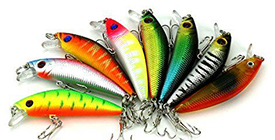
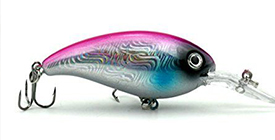
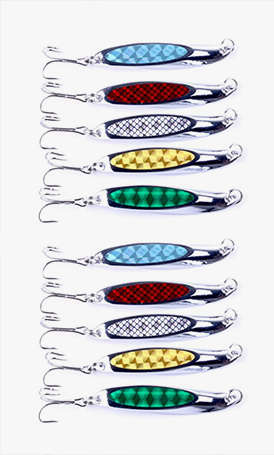


Let me take you back to a crisp October morning on Lake Okeechobee, Florida. I’d been up before the sun, sipping burnt coffee out of a chipped mug, and watching the mist roll off the water like a ghostly blanket. The air smelled like damp earth and freshwater algae, and the only sounds were the distant croak of a bullfrog and the soft lapping of waves against my worn aluminum boat.
I’d been targeting bass that morning, but after three hours of casting hardbaits—crankbaits, spinnerbaits, you name it—I’d only managed a few nibbles and one tiny bass that barely made it into the boat. My frustration was starting to build, and I was just about to pack it up and head home when I decided to try something I’d been putting off: switching to a soft lure.
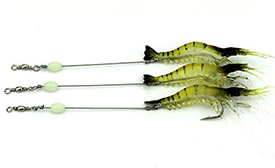
I reached into my tackle box and pulled out a pack of Soft Lures I’d picked up a few weeks prior. They were a new brand to me, but the reviews had been solid. I rigged one on a Texas rig with a 1/2-ounce weight and cast it out into a patch of lily pads. The lure sank slowly, and as I twitched it along the bottom, I felt a sharp tug that nearly pulled the rod out of my hands. After a ten-minute fight, I reeled in a 5-pound largemouth bass that put up a fight like a bull.
Why I Switched to Soft Lures
That day on Lake Okeechobee changed my approach to fishing forever. I’d always been a hardbait guy—there’s something about the loud rattle of a crankbait or the flash of a spinnerbait that’s hard to resist—but I realized that soft lures had a certain appeal that hardbaits just couldn’t match.
For starters, soft lures are incredibly versatile. You can rig them in a variety of ways—Texas rig, Carolina rig, wacky rig, ned rig—and they work in almost any fishing condition. Whether you’re fishing in clear water or murky water, shallow water or deep water, soft lures can get the job done.
Another reason I love soft lures is their durability. Unlike hardbaits, which can crack or break if you get them snagged, soft lures are made from soft, flexible plastic that can withstand being punctured or torn. I’ve caught dozens of fish on the same soft lure before I’ve had to replace it.
Types of Soft Lures
There are a wide variety of soft lures on the market, each designed to imitate a specific type of prey. Here are a few of my favorites:
Worms: Worms are one of the most popular soft lures on the market, and for good reason. They’re incredibly versatile and can be rigged in a variety of ways. I prefer to use 6- to 8-inch worms on a Texas rig or Carolina rig, but they also work well on a wacky rig.
Grubs: Grubs are small, soft lures that are often rigged on a jighead. They’re great for targeting bass, panfish, and even walleye. I like to use grubs in bright colors like chartreuse or pink when fishing in murky water, and natural colors like brown or green when fishing in clear water.
Swimbaits: Swimbaits are soft lures that are designed to imitate baitfish. They’re often rigged on a jighead or with a weighted hook, and they work well for targeting bass, pike, and muskie. I prefer to use swimbaits in natural colors like silver or gold, as they look more like real baitfish.
My Go-To Soft Lure for Bass
While I love all types of soft lures, there’s one that I keep coming back to time and time again when I’m targeting bass: the Senko worm. This soft, stick-shaped lure has a unique action when it’s rigged wacky style—floating horizontally in the water and slowly sinking with a slight wiggle—that drives bass crazy.
I first discovered the Senko worm a few years ago while fishing on Lake Texoma, Texas. I’d been casting a crankbait for hours without any luck, and I was just about to give up when I decided to try a Senko worm. I rigged it on a wacky rig with a 1/8-ounce weight and cast it out into a patch of submerged trees. The lure sank slowly, and as I twitched it along the bottom, I felt a sharp tug that pulled the rod down hard. After a five-minute fight, I reeled in a 4-pound largemouth bass that was so fat it looked like it had swallowed a softball.
Since that day, the Senko worm has become my go-to soft lure for bass. I’ve caught bass on it in clear water, murky water, shallow water, and deep water. It works well in almost any fishing condition, and it’s incredibly easy to use—you don’t have to be a pro angler to catch fish on a Senko worm.
Tips for Using Soft Lures
While soft lures are incredibly effective, there are a few things you can do to increase your chances of catching fish:
- Match the Hatch: One of the most important things to remember when using soft lures is to match the hatch. This means choosing a lure that looks and moves like the natural prey that the fish are feeding on. If you’re fishing in a lake where the bass are feeding on shad, for example, you’ll want to use a soft lure that looks like a shad.
- Use the Right Rig: The rig you use will depend on the type of soft lure you’re using and the fishing conditions. For example, if you’re fishing in shallow water with a worm, you might want to use a Texas rig to avoid getting snagged. If you’re fishing in deep water with a swimbait, you might want to use a jighead or weighted hook to get the lure down to the fish.
- Keep Your Line Tight: When using soft lures, it’s important to keep your line tight at all times. This will help you feel even the smallest nibble, which is crucial when fishing with soft lures that have a slow, subtle action.
- Experiment with Colors: Don’t be afraid to experiment with different colors when using soft lures. Sometimes, the fish will be attracted to a bright color like chartreuse or pink, while other times they’ll prefer a natural color like brown or green. It’s always a good idea to have a few different colors in your tackle box so you can switch it up if the fish aren’t biting.
A Fail I Learned From
While soft lures have been incredibly successful for me, I’ve also had my fair share of failures. One of the biggest mistakes I made was not changing my lure when the fish weren’t biting.
I was fishing on Lake Michigan a few years ago, targeting walleye. I’d been using a soft plastic minnow lure for hours without any luck, but I was convinced that it was the right lure for the job. I kept casting and reeling, hoping that a walleye would finally take the bait. After six hours of fishing, I finally decided to switch to a different lure—a hardbait that looked like a small perch. Within ten minutes of switching lures, I caught a 3-pound walleye.
That experience taught me that it’s important to be flexible when fishing with soft lures. If the fish aren’t biting on one lure, don’t be afraid to switch to a different one. Sometimes, all it takes is a small change to turn a slow day into a successful one.
Why I Recommend LENPABY Soft Lures
Over the years, I’ve tried a lot of different soft lures from a variety of brands. Some have been great, while others have been a waste of money. But there’s one brand that I keep coming back to time and time again: LENPABY.
I first discovered LENPABY Soft Plastics a few months ago, and I’ve been impressed with their quality ever since. Their soft lures are made from high-quality plastic that’s durable and flexible, and they have a natural action in the water that’s hard for fish to resist. They also come in a wide variety of colors and styles, so you can find the perfect lure for almost any fishing condition.
One of my favorite things about LENPABY soft lures is their affordability. Unlike some other brands, which charge a premium for their soft lures, LENPABY offers high-quality soft lures at a price that won’t break the bank. This makes them a great option for anglers of all skill levels, from beginners to pros.
My Most Recent Success with LENPABY Soft Lures
I recently had one of my most successful fishing trips using LENPABY soft lures. I was fishing on Lake Okeechobee again, this time targeting largemouth bass. The weather was warm and sunny, with a slight breeze blowing, and the water temperature was 68°F. I’d been casting a hardbait for an hour without any luck, so I decided to switch to a LENPABY soft lure.
I rigged a LENPABY Senko worm on a Texas rig with a 1/2-ounce weight and cast it out into a patch of lily pads. The lure sank slowly, and as I twitched it along the bottom, I felt a sharp tug that nearly pulled the rod out of my hands. After a ten-minute fight, I reeled in a 5-pound largemouth bass that was so green it looked like it had been painted. I was so excited that I almost fell out of the boat.
Over the next few hours, I caught six more bass using LENPABY soft lures. They were all between 3 and 5 pounds, and they put up a fight like champions. I was so impressed with the performance of LENPABY soft lures that I decided to stock up on a few more packs before I left the lake.
Soft lures are incredibly versatile, durable, and effective tools for any angler. Whether you’re targeting bass, panfish, or walleye, there’s a soft lure that will work for you. And with brands like LENPABY offering high-quality soft lures at an affordable price, there’s no reason not to give them a try.
So the next time you’re out on the water and you’re not having any luck with hardbaits, don’t be afraid to switch to a soft lure. You might be surprised at how well it works.
Actionable Tip: Try using a wacky-rigged LENPABY Senko worm in clear water with a water temperature of 65-75°F. Cast it near submerged structures like docks or trees and let it sink slowly. Twitch it occasionally to mimic a dying worm, and be prepared for a sharp tug.


